
Focus Issue: Currently, the majority of aluminum curtain walls in public and residential buildings suffer from deformation. The panel surfaces exhibit noticeable wavy distortions, accompanied by localized bulging, denting, warping, and even twisting.
Common construction factors include rough measurement and layout, poor flatness of keel installation, inadequate installation flatness (over-tightening or under-tightening), insufficient finished product protection, and so on.
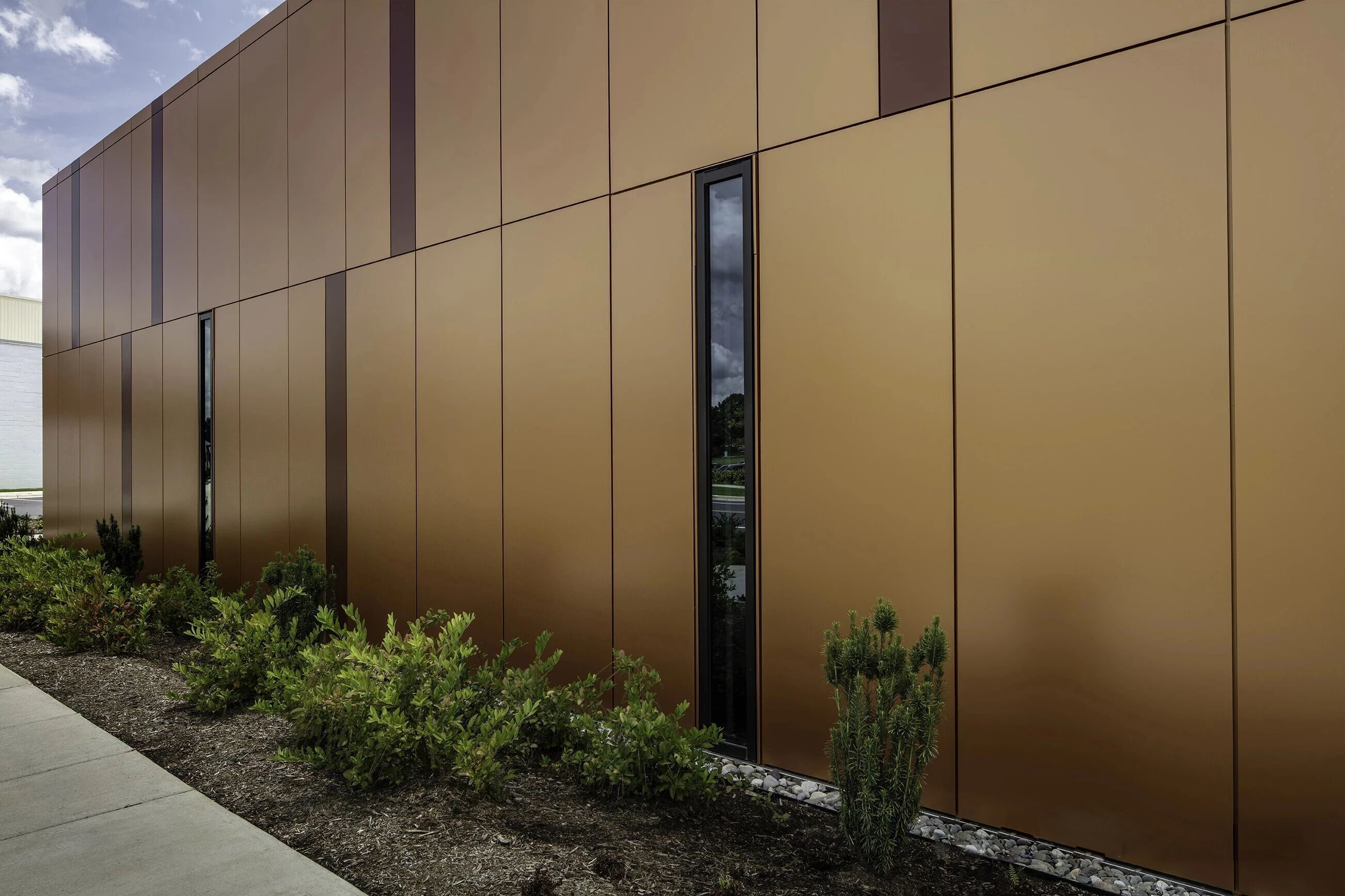
Design Recommendation: To minimize deformation of aluminum curtain walls caused by design factors, it is essential to enhance the high-quality construction requirements.
· Strictly control rough measurement and setting-out by rigorously managing the initial reference line and transferring cumulative errors. Prohibit the use of traditional methods such as plumb bobs without employing high-precision equipment like laser plumb bobs or total stations
· Strictly control the flatness of the keel installation by using precision instruments (laser plumb bobs, total stations) for leveling, ensuring deviations remain within the permitted tolerances of the installation standards. Strictly monitor allowable deviations such as the straightness of components, the verticality of curtain walls, the horizontal alignment of transverse components, the horizontal alignment of curtain wall transverse components, and the diagonal deviation of framing grids. Prohibit the use of straight lines to check the straightness and planarity of the keel, and strictly forbid the incorrect practice of "adjusting the keel with panels.";
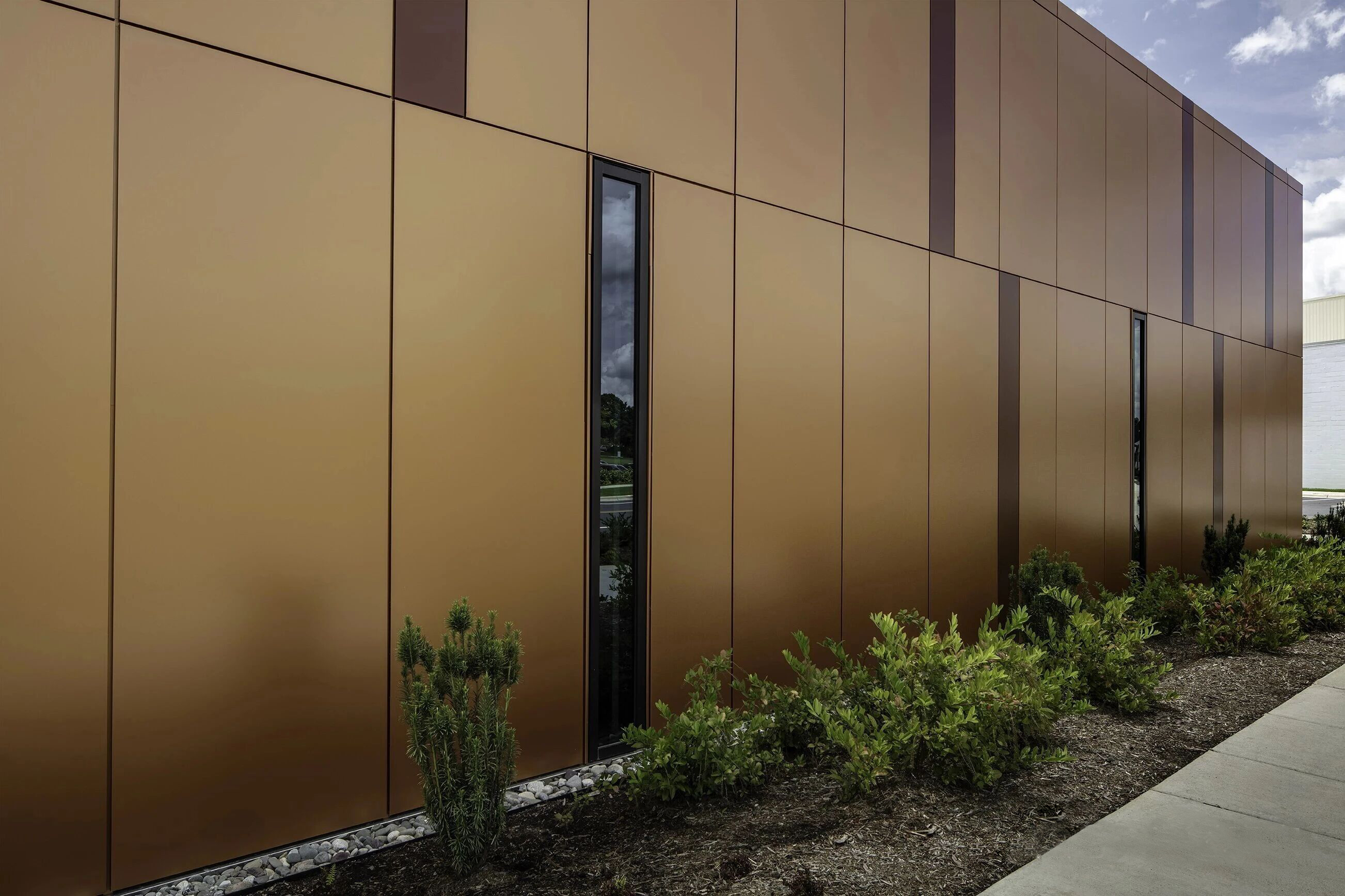
· Strictly controlling the installation flatness difference (tightening too tightly) can be achieved by strictly controlling the tightening torque of hanging points. Tightening (rigid connection) or loosening (connection failure) can lead to temperature and stiffness related wave deformation. Strictly control the allowable installation deviations such as plate levelness and plate verticality;
· Strict control over insufficient protection of finished products can include strictly prohibiting random stacking or trampling, soaking or exposure to high temperatures, scratches or impacts, etc. Cross operation damage, stacking and trampling can cause local dents or hidden injuries.

High quality products, high-quality services and high-quality

Focus on us
HANBERT
Tel: 0757-22682270
Phone: +86-135 314 008 83
E-mail: info@hanbert-tech.com
Address: 1612,4th,building,ZhiyePlaza,Daliang,Foshan,Guangdong P.R.of china
Copyright © 2021-2026 HANBERT All Rights Reserved. 粤ICP备2021118030号  Power by:
 Hanelink.com