
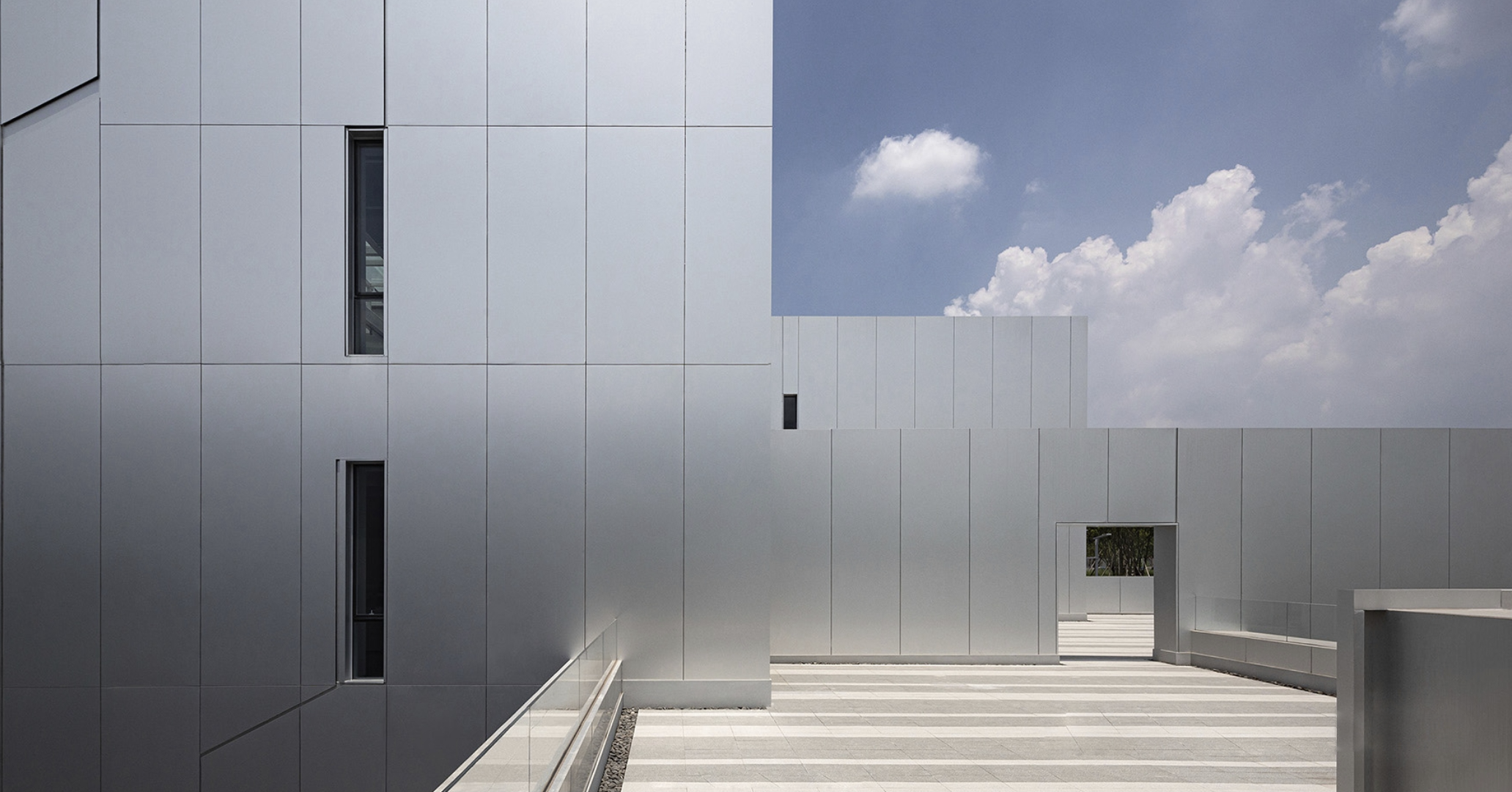
Pain points: Currently, most aluminum curtain walls in public and residential buildings suffer from deformation. The panels exhibit noticeable wavy distortion, accompanied by localized bulging, concave deformation, warping, and even twisting.
The causes of special factors include: failure to account for thermal bridge effects and insufficient structural activity between plates.
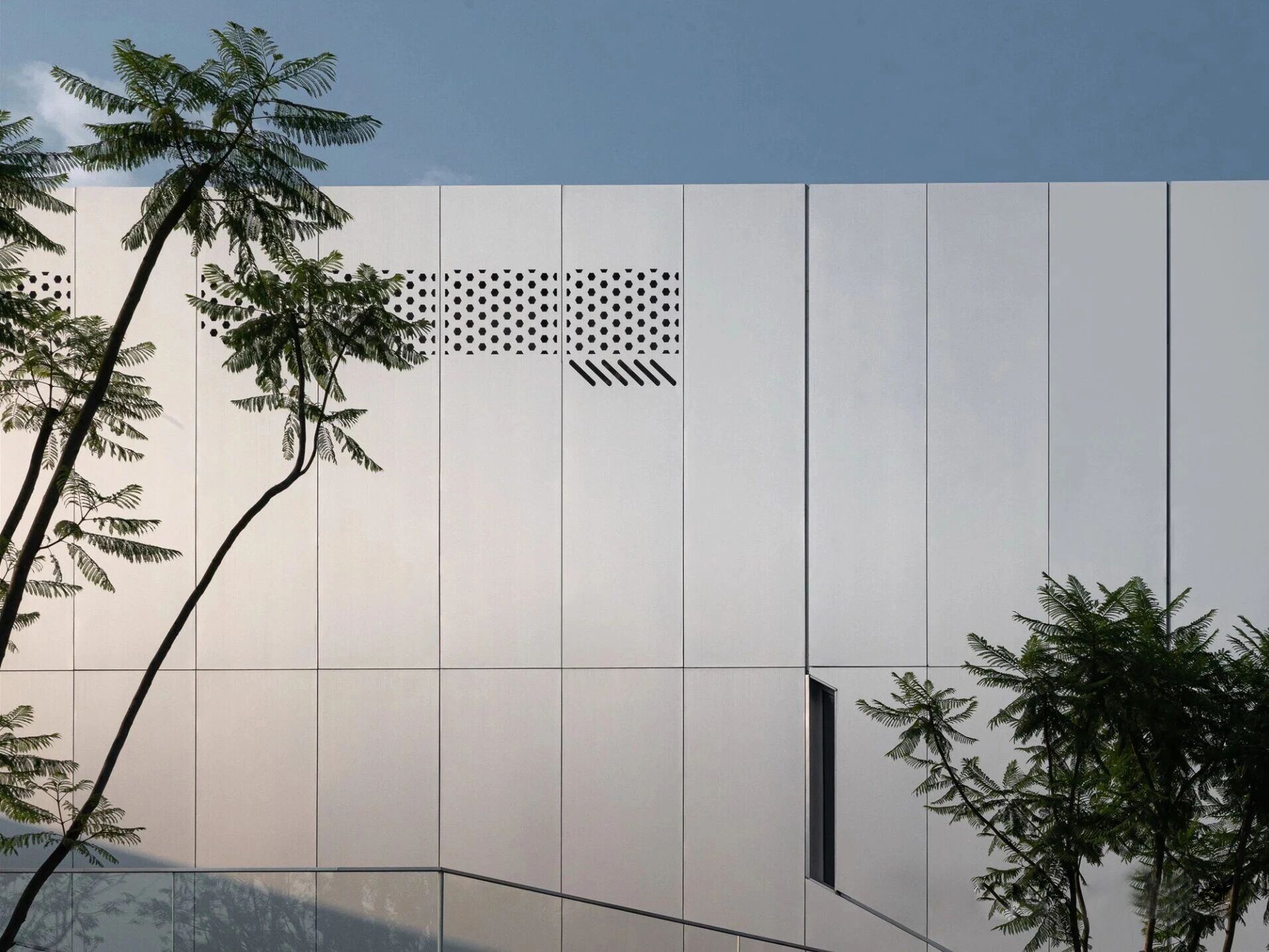
Design Recommendation: To minimize deformation of aluminum curtain walls caused by special factors, it is essential to enhance their high-quality comprehensive requirements.
· Strict control is required for the thermal bridge effect, which can occur when different metals (steel for reinforcements and aluminum for panels) are directly connected (e.g., welded or bolted). Due to differing coefficients of thermal expansion, internal stresses may develop during temperature changes, leading to panel deformation. Therefore, reinforcements and panels must be made of the same metal (aluminum alloy);
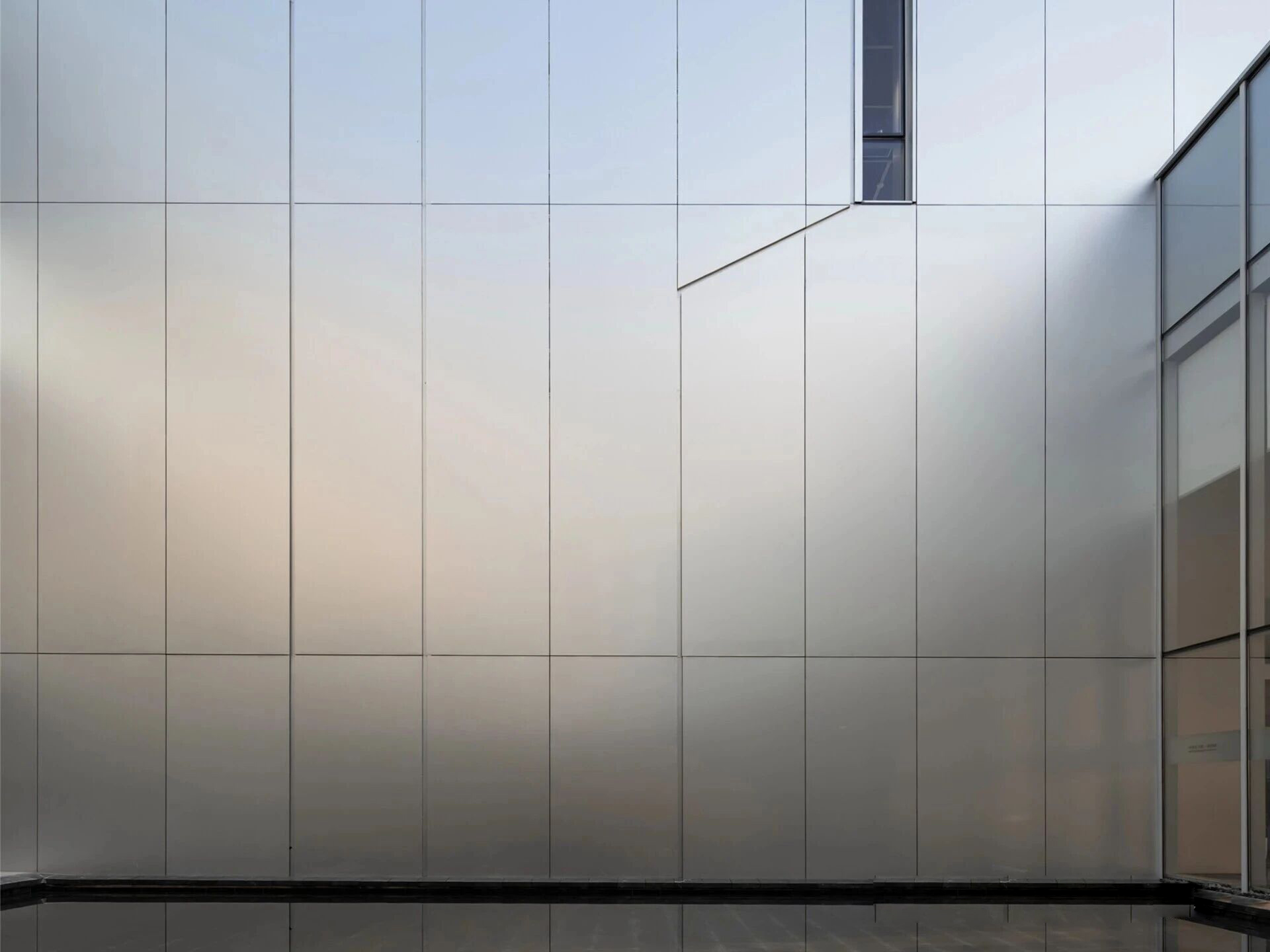
·Strictly controlling the insufficient displacement absorption capacity can be achieved by using an aluminum plate system that has been calculated to meet the displacement requirements. The wall system is dynamic and needs to absorb the displacement of the main structure (such as swing and creep under wind loads) and its own temperature deformation. If the connection structures between plates (such as hanging ears and sliding grooves) are designed too tightly or with insufficient activity, displacement will be forcibly converted into in-plane stress within the plate, resulting in out of plane bulging. Although some projects use movable systems such as fixed distance pressure blocks and hanging connections, the adhesive joints and displacement are still designed to be 15mm. For large panel partitions or panels that withstand large changes in wind pressure, a displacement of 20mm or more is required.

High quality products, high-quality services and high-quality

Focus on us
HANBERT
Tel: 0757-22682270
Phone: +86-135 314 008 83
E-mail: info@hanbert-tech.com
Address: 1612,4th,building,ZhiyePlaza,Daliang,Foshan,Guangdong P.R.of china
Copyright © 2021-2026 HANBERT All Rights Reserved. 粤ICP备2021118030号  Power by:
 Hanelink.com