
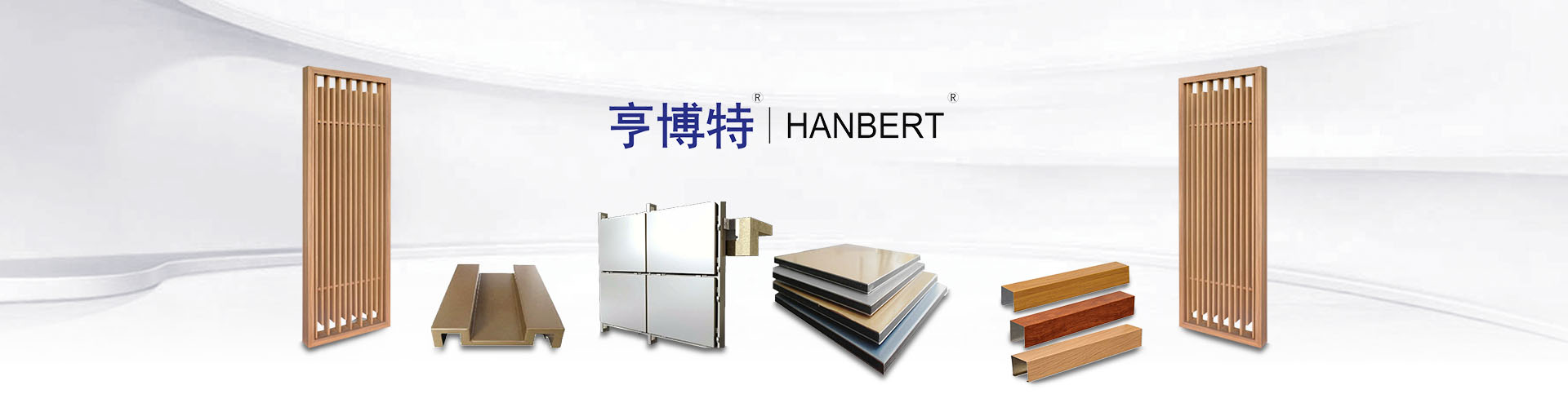
Architectural facade grille refers to a decorative and functional building component installed on the surface of the exterior wall of a building, composed of components in the form of strips, grids, or irregular shapes.
Grille is one of the most rhythmic and functional symbols in building facades. From the wooden lattice windows of traditional architecture to the metal lattice curtain walls of modern architecture, it spans time and space, carrying practical needs for shading, ventilation, and privacy protection, as well as using simple lines and rich textures to outline the unique temperament of the building.
It is not a single form of product, but has derived multiple classifications based on different materials, shapes, and functions, adapting to different architectural styles and usage scenarios. The reason why grilles can become a frequent guest on building facades lies in their balance between aesthetics and practicality, rather than simply being decorative components. Combining 30 cases, the functions of the grille cover the entire range of building usage scenarios, meeting basic needs while enhancing building comfort and safety. It is mainly divided into five core functions.
1.Sunshade and Energy saving: Reduce building energy consumption and optimize indoor lighting
This is the most basic and commonly used function of the grille. The grille blocks direct sunlight, reduces indoor heat accumulation, lowers air conditioning energy consumption, and avoids indoor glare caused by strong light, creating a soft and comfortable lighting environment that balances energy efficiency and user experience. Different shading designs are suitable for different scenarios: Public buildings (office buildings, convention centers) often use large horizontal or inclined grilles to cover the entire exterior wall, maximizing the shading of sunlight; Residential buildings often use partial grilles, which focus on blocking natural lighting surfaces such as bedrooms and living rooms.
2.Privacy protection: Covering visual interference while maintaining transparency and texture
For scenarios that require privacy, such as residential areas, hotels, and office buildings, grilles can effectively block outdoor views and prevent indoor scenes from being directly viewed through reasonable line density and design. At the same time, they retain the transparency of the building, do not affect indoor ventilation and landscape views, and achieve a win-win situation of "privacy and transparency".
3.Ventilation and air exchange: guide airflow circulation to improve indoor environment
The natural advantage of the hollow structure of the grille is ventilation and breathability, which can guide outdoor airflow into the room and discharge indoor polluted air, improving indoor air quality, especially suitable for buildings with high ventilation requirements such as humid areas in the south, factories, and exhibition centers, avoiding dampness and stuffiness inside the building.
4.Protection: Resist external interference and ensure building safety
Grilles can serve as a "protective barrier" for building facades, resisting external debris, mosquitoes, birds, etc. from entering the interior of the building. At the same time, they can weaken external impacts, protect building exterior walls, doors and windows, and extend the service life of the building, especially suitable for high-rise, coastal, suburban and other buildings that are susceptible to external interference.
5. Noise reduction: Weaken external noise and create a quiet environment
The line structure of the grille can provide a certain blocking and reflecting effect on external noise, weaken external noise such as traffic and crowds, create a quiet environment for the interior of buildings, and be suitable for noise sensitive buildings such as residences, hotels, libraries, and office buildings.
The grille, with its simple lines, rich materials, and diverse shapes, not only meets the practical needs of shading, ventilation, and privacy protection in architecture, but also outlines the temperament of the building with its unique aesthetic value, conveying the cultural connotation of the building and achieving a perfect integration of practicality and aesthetics.
Case Study Appreciation
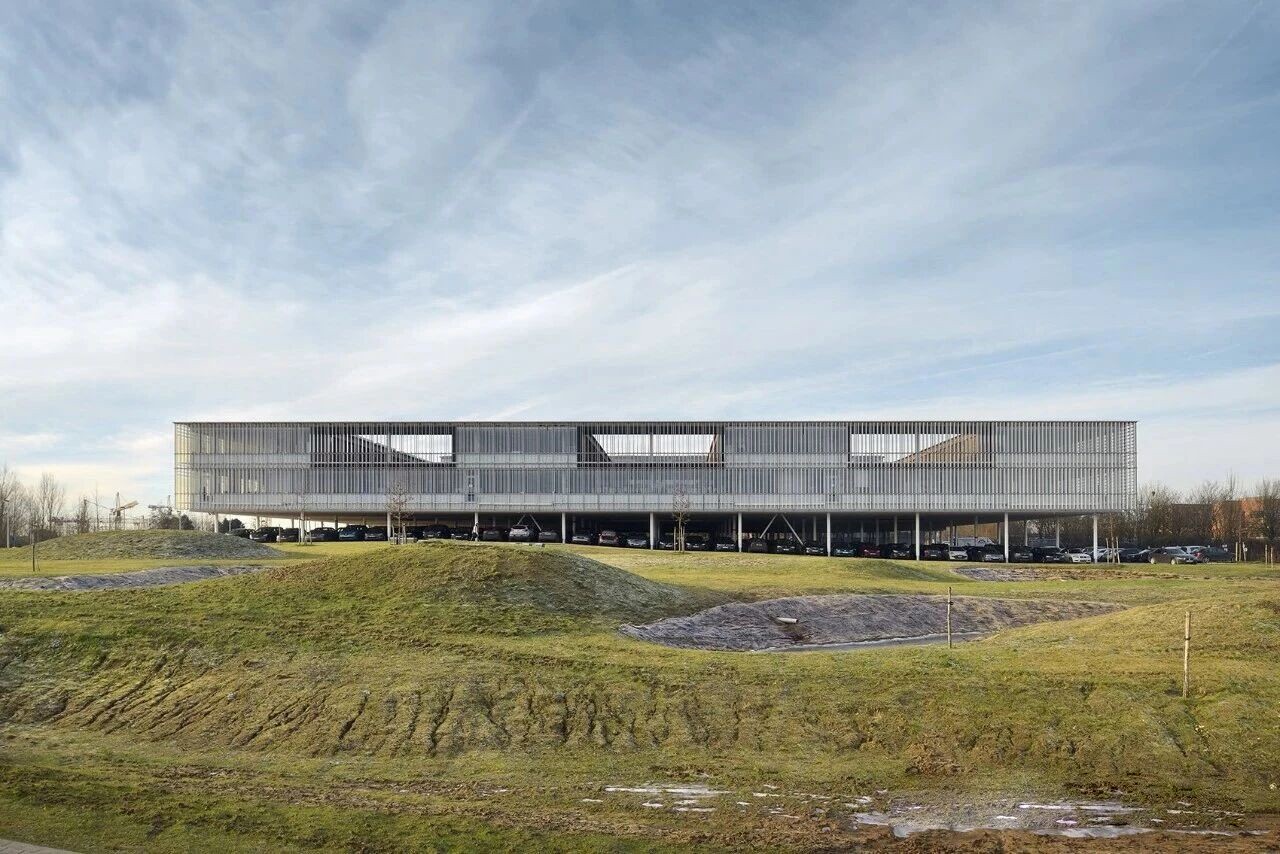
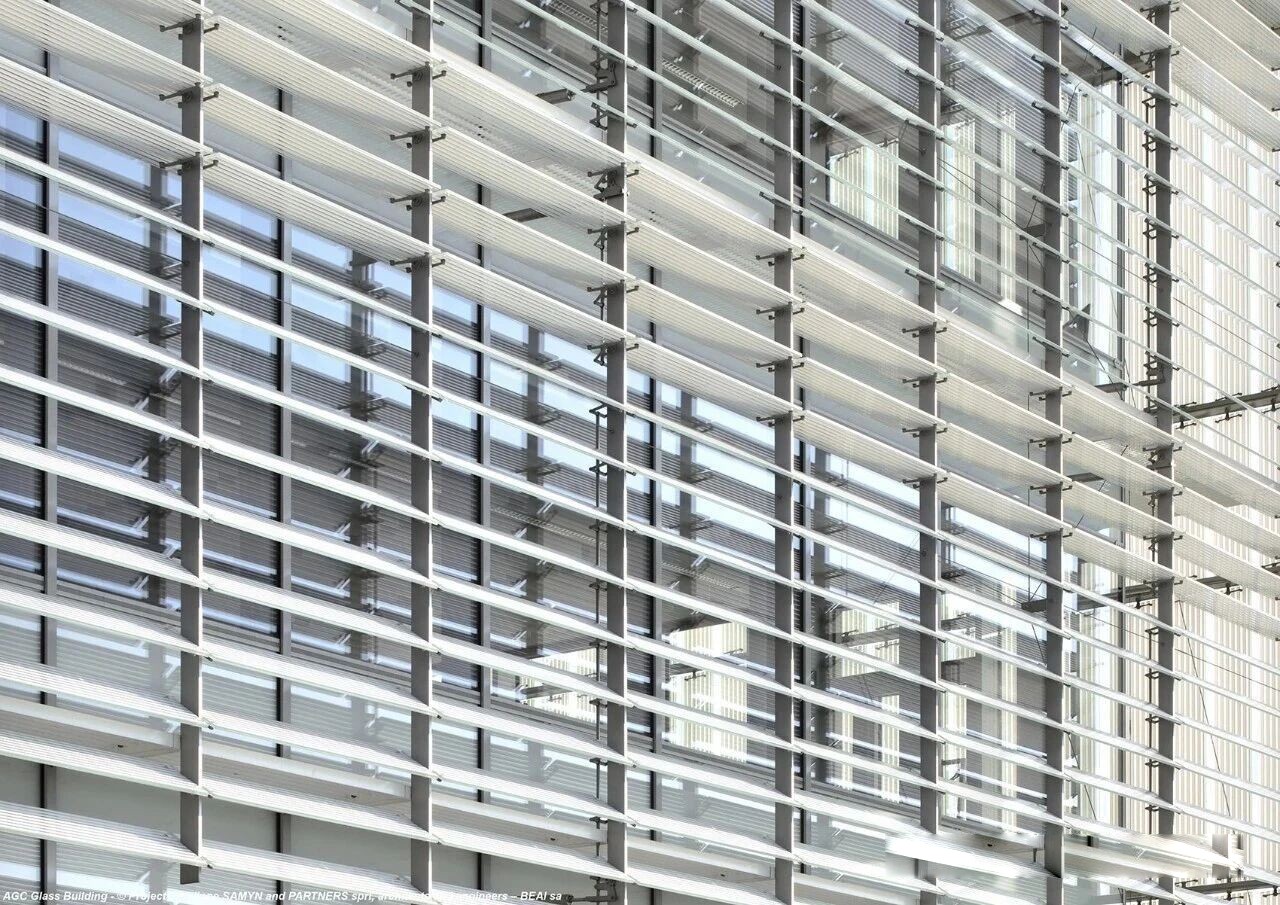
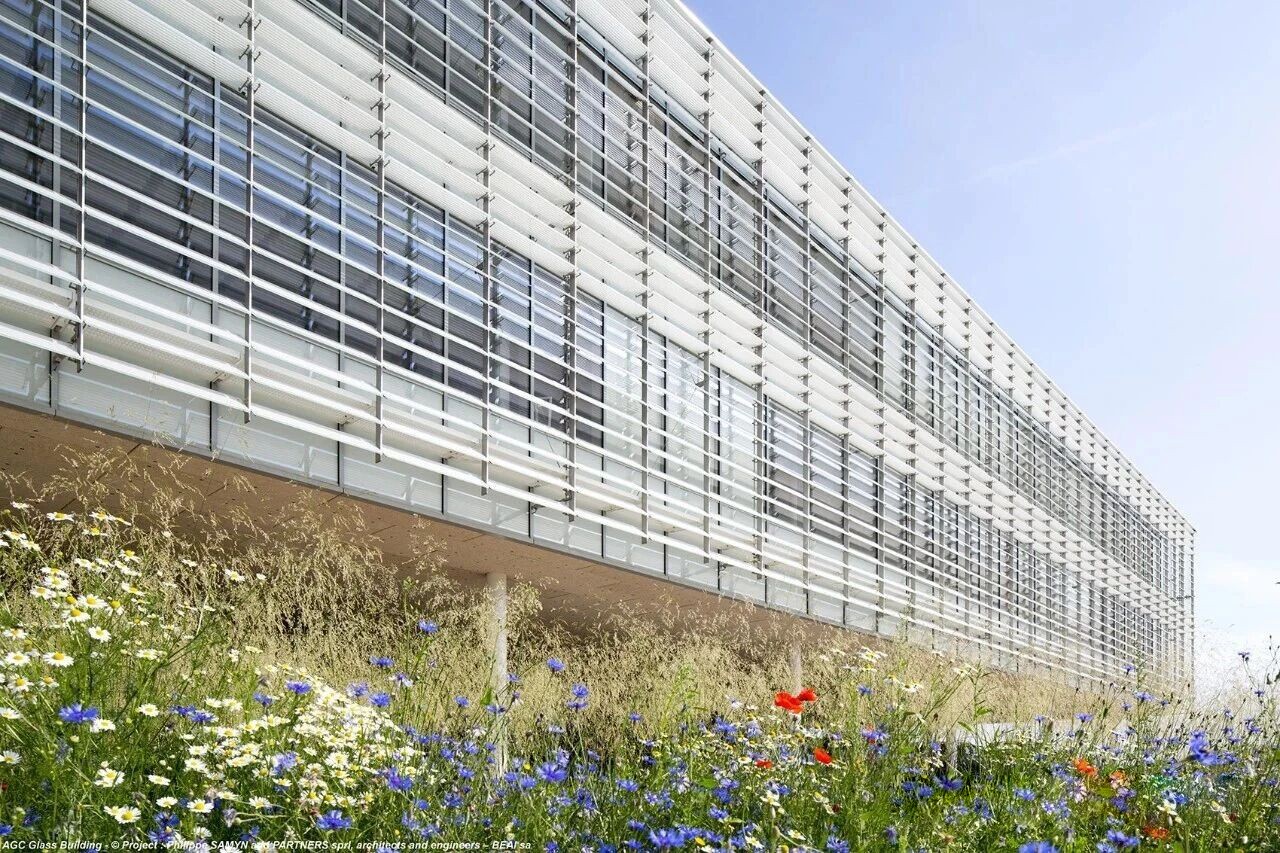
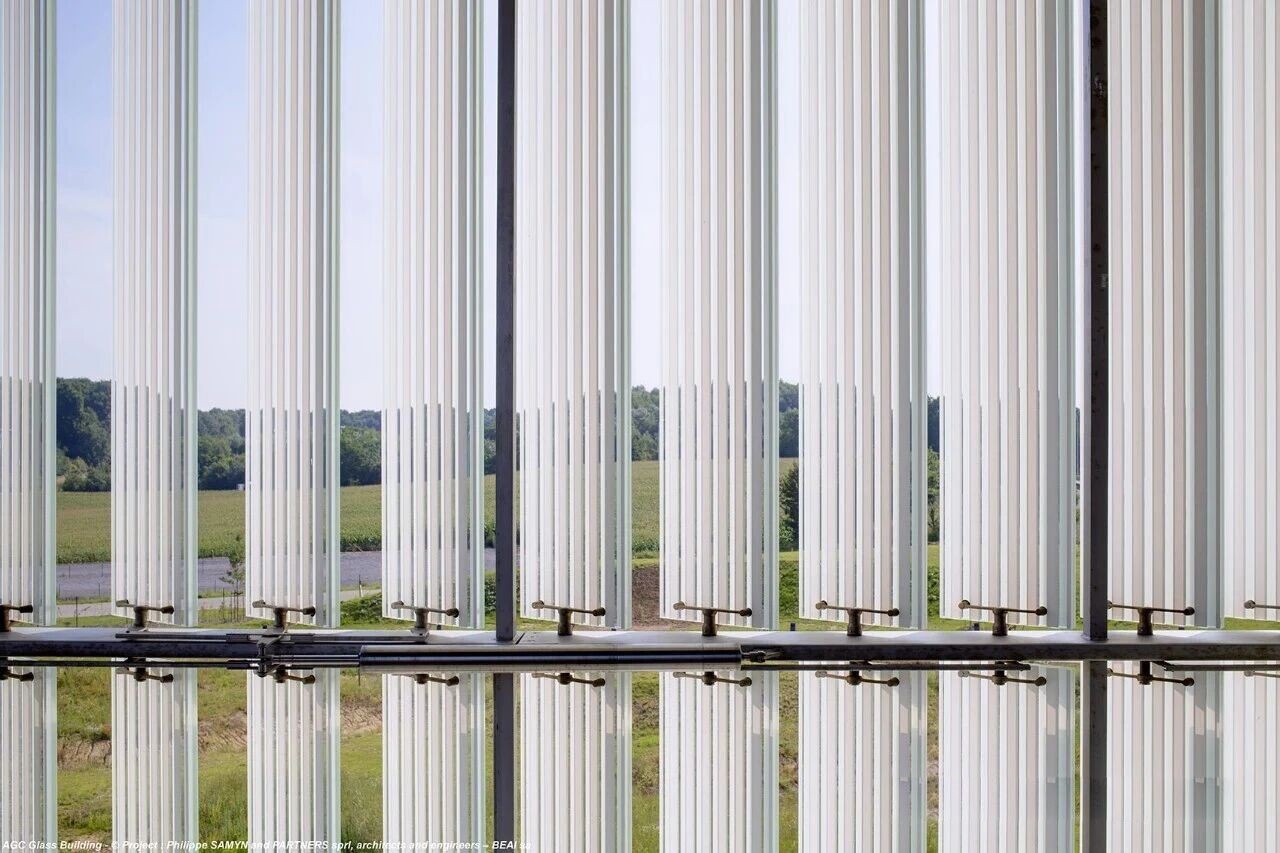
1. AGC Glass Europe Headquarters, Philippe SAMYN and PARTNERS, Belgium
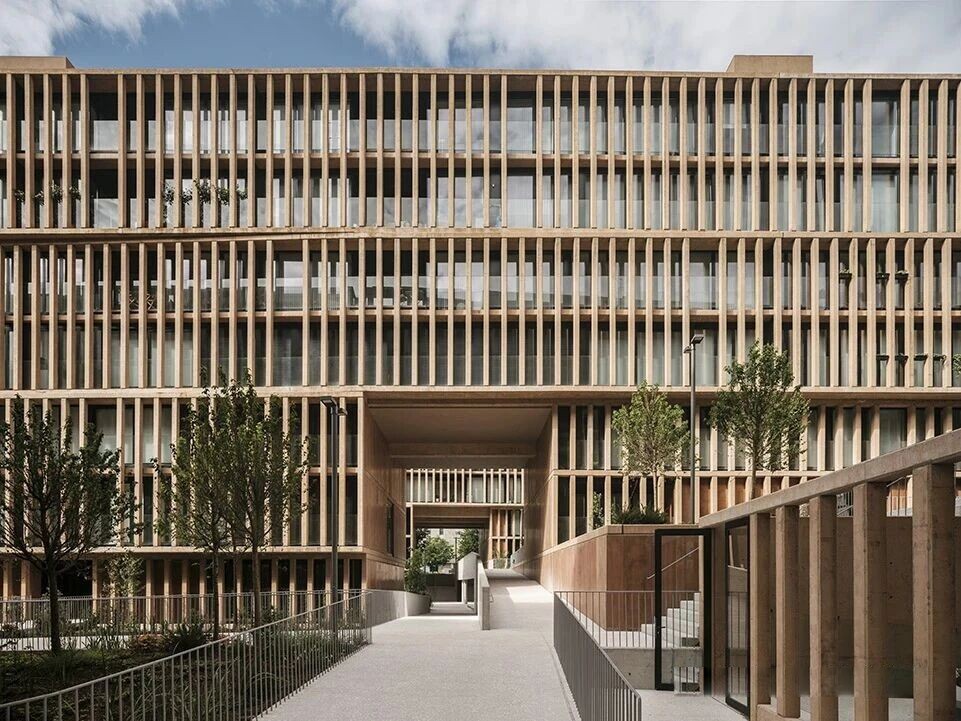
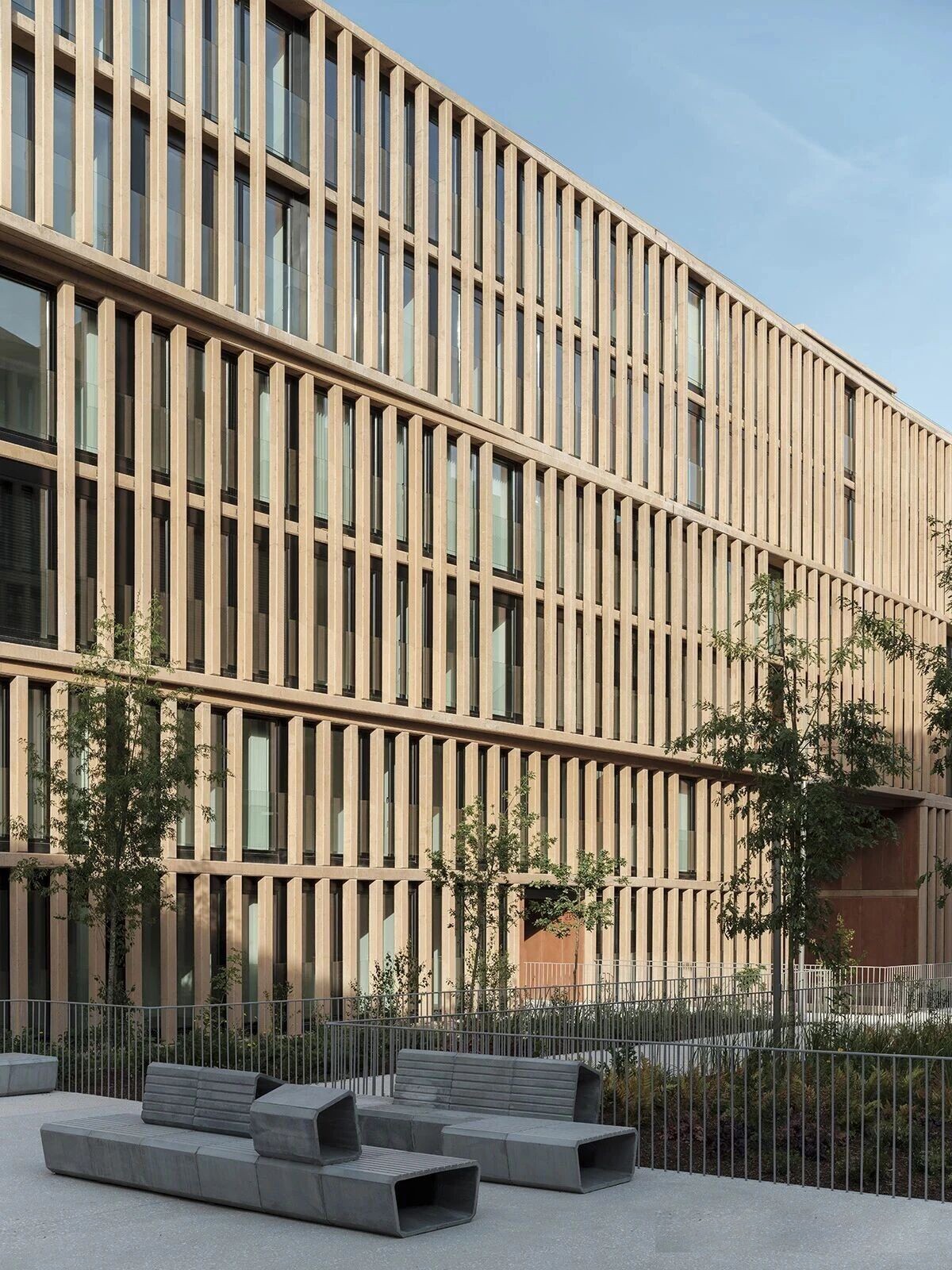
2.Cornes Espacio Residential Building, Barrios Arquitectos, Carbajo, Spain
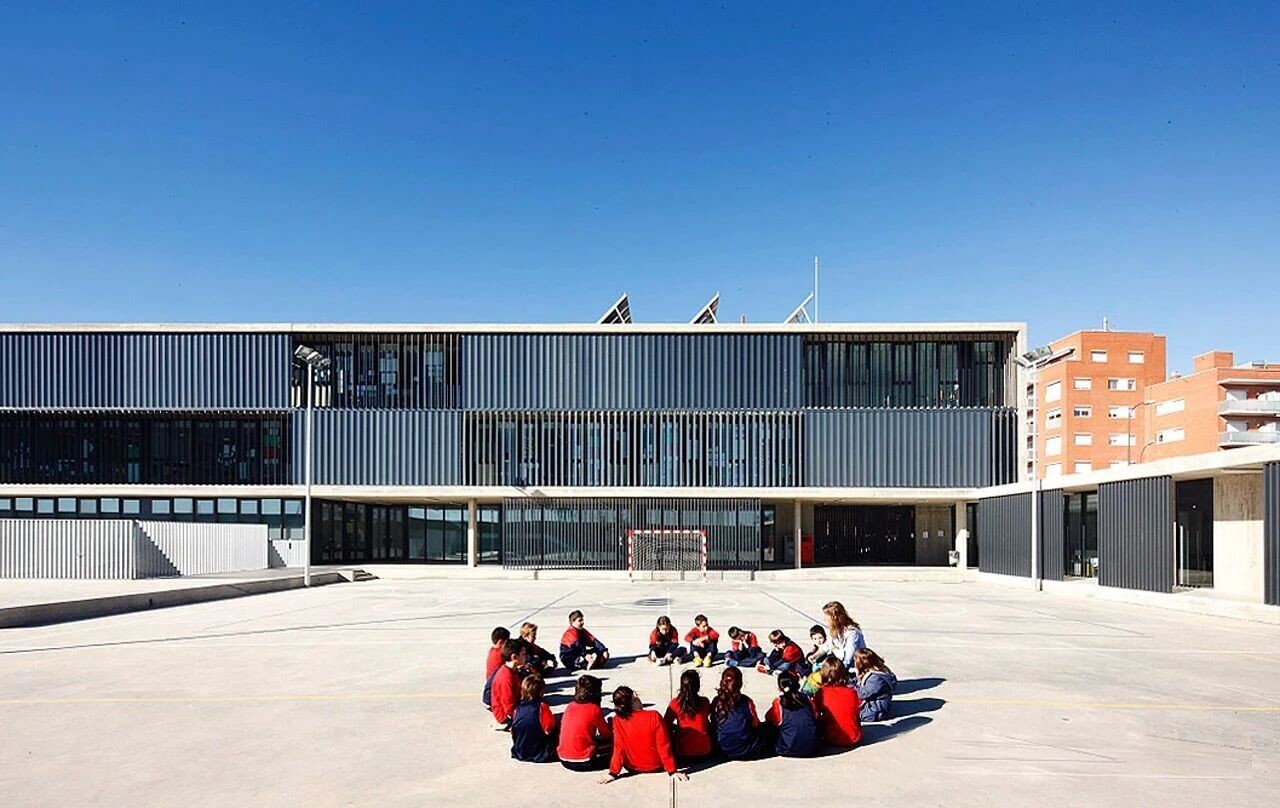
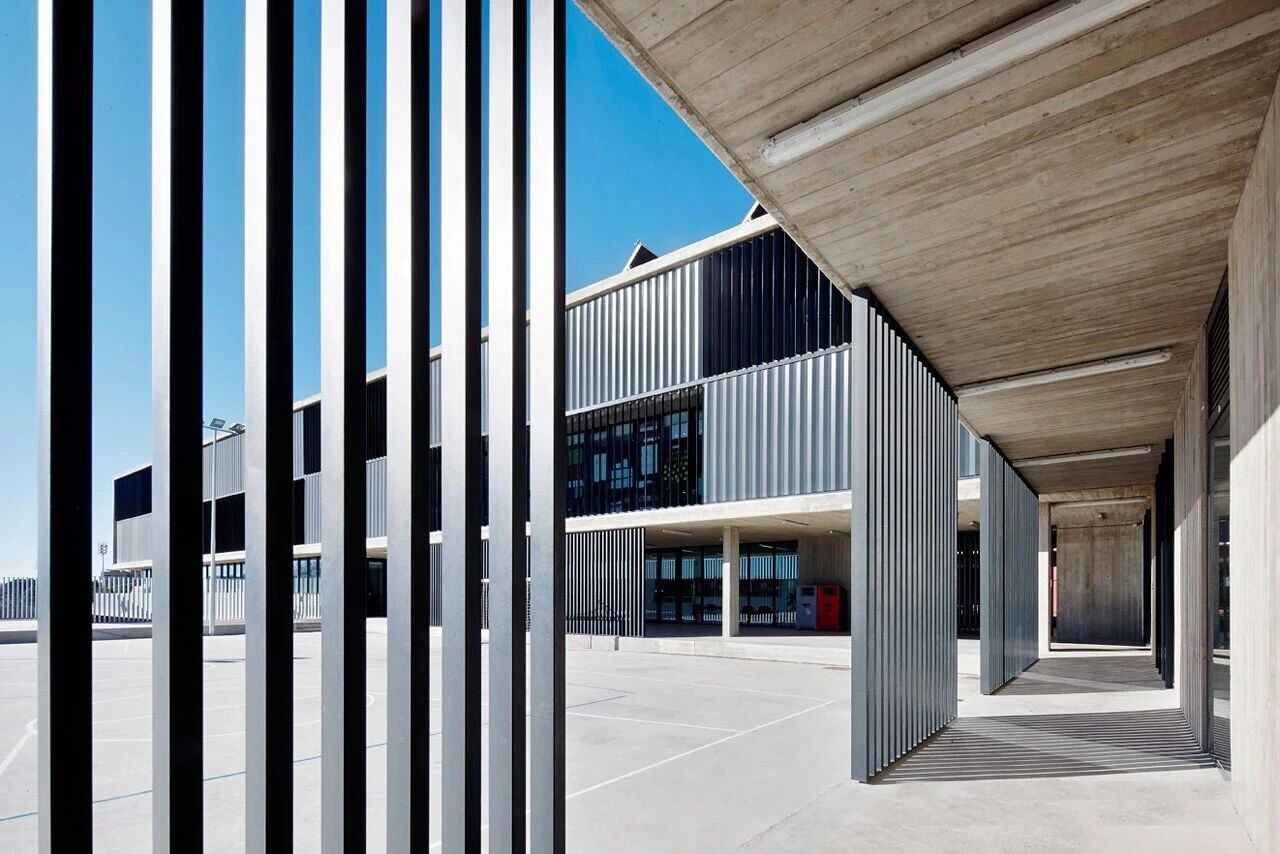
3.Isabel Besora School, NAM Arquitectura, Spain
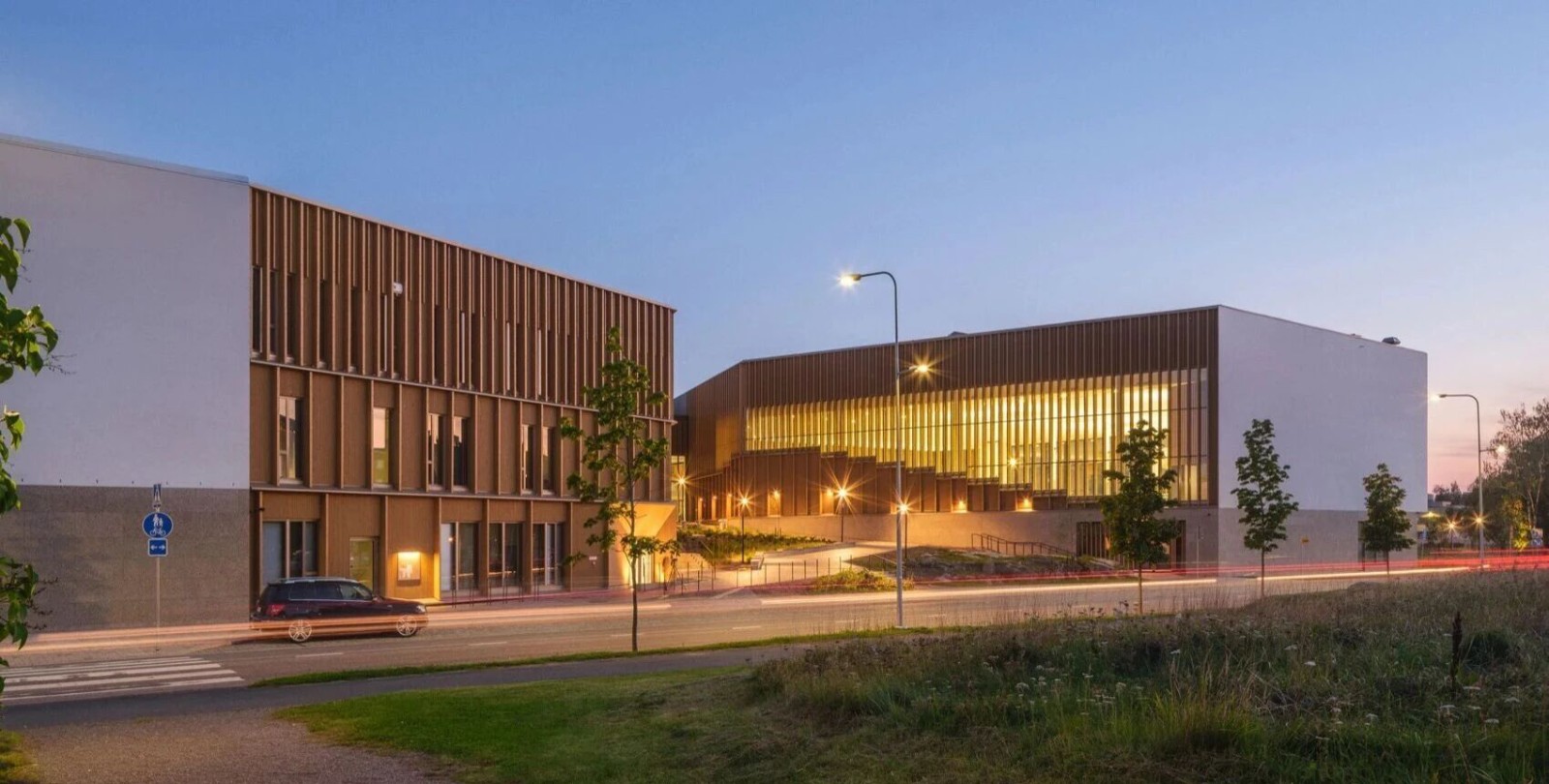
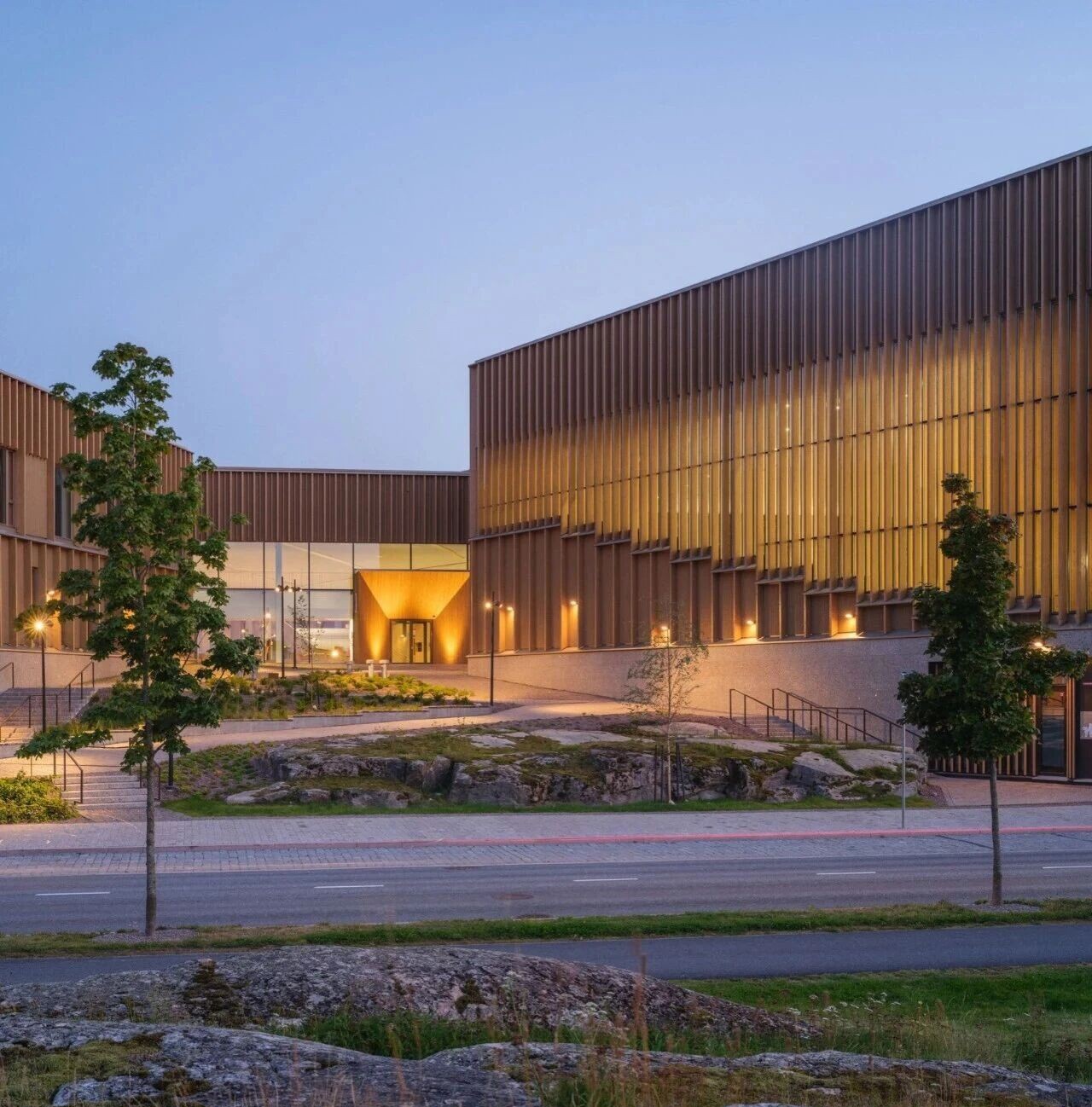
4.Kari校园教育体育休闲中心,芬兰 Verstas Architects
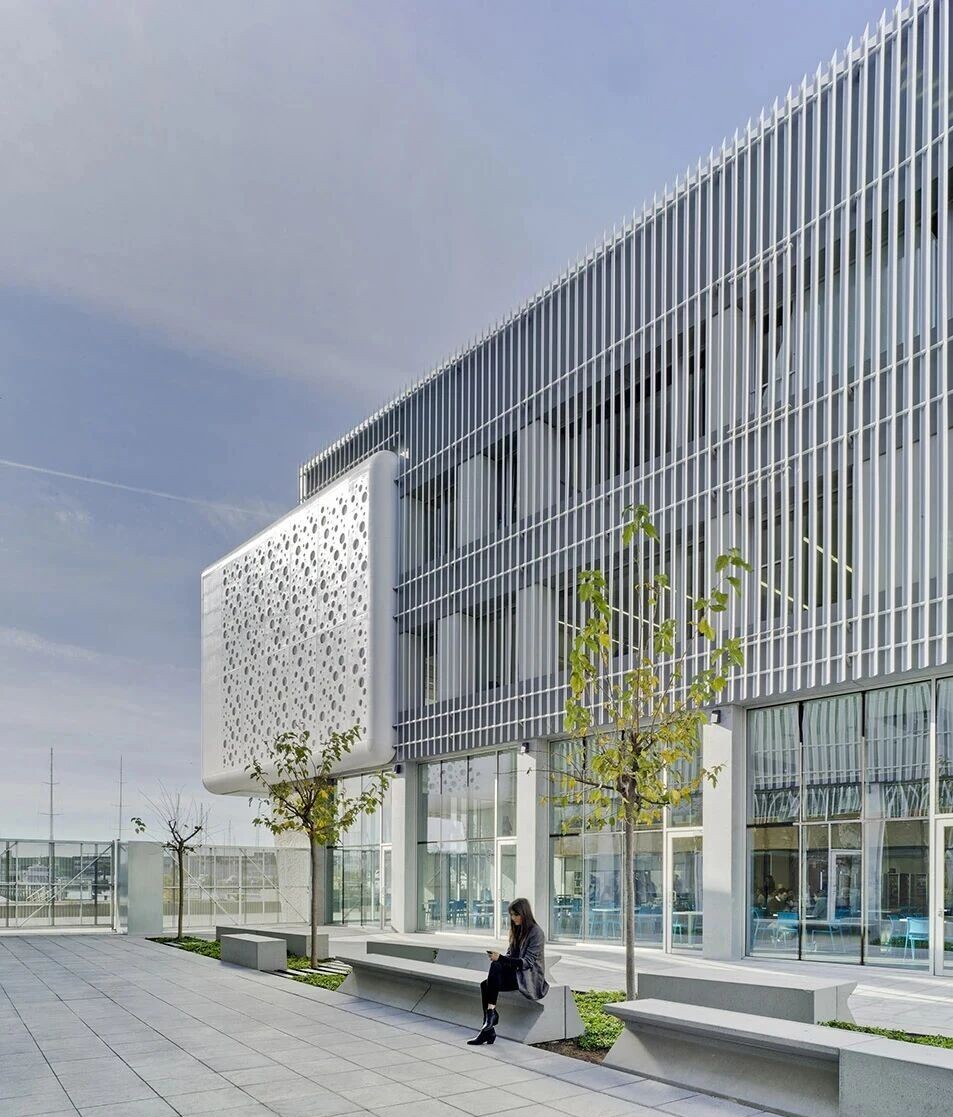
5.Marina de Empresa Seaside Complex, ERRE arquitectura, Spain
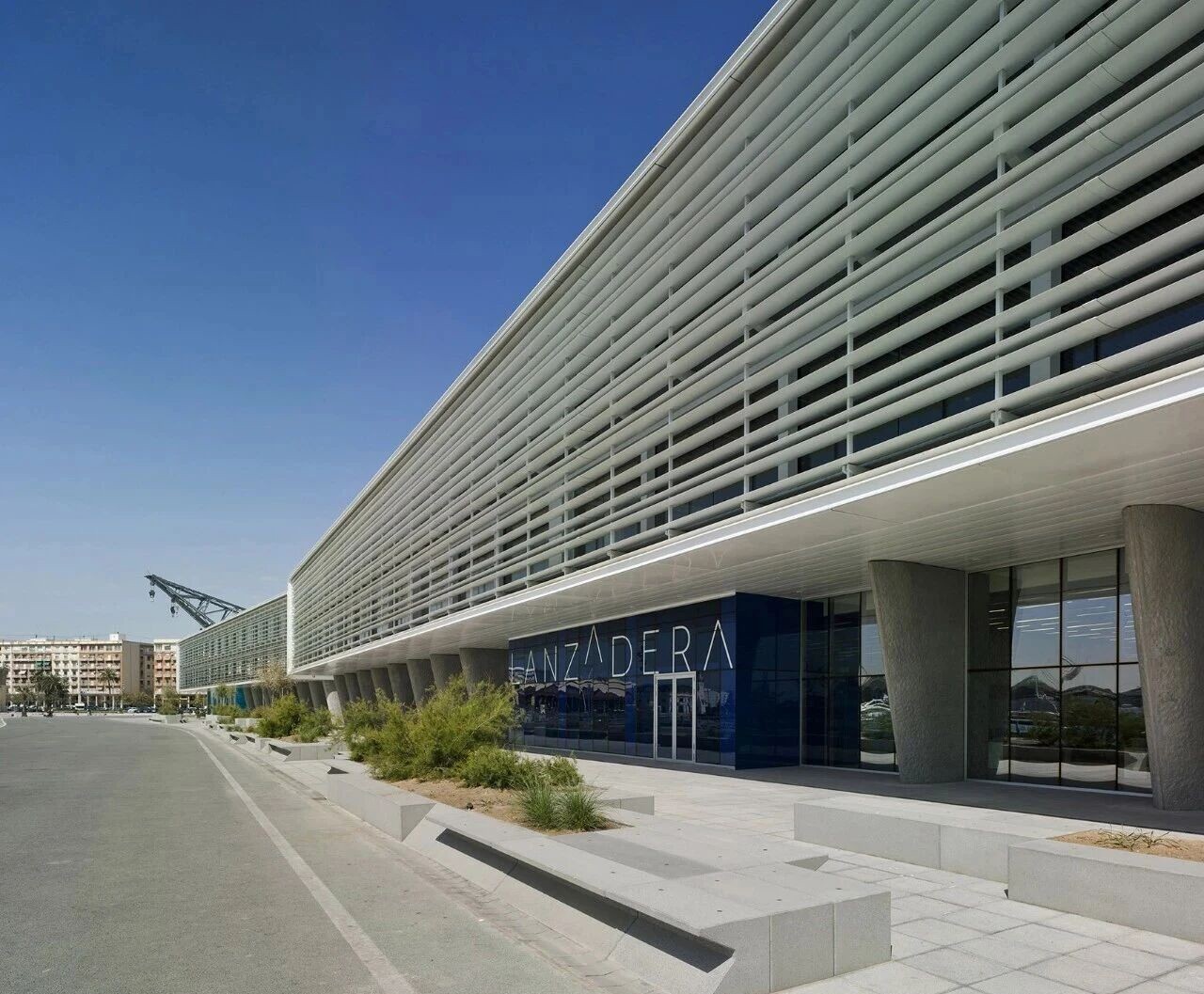
6.The Happynest Public Building, FATTStudio Bangkok
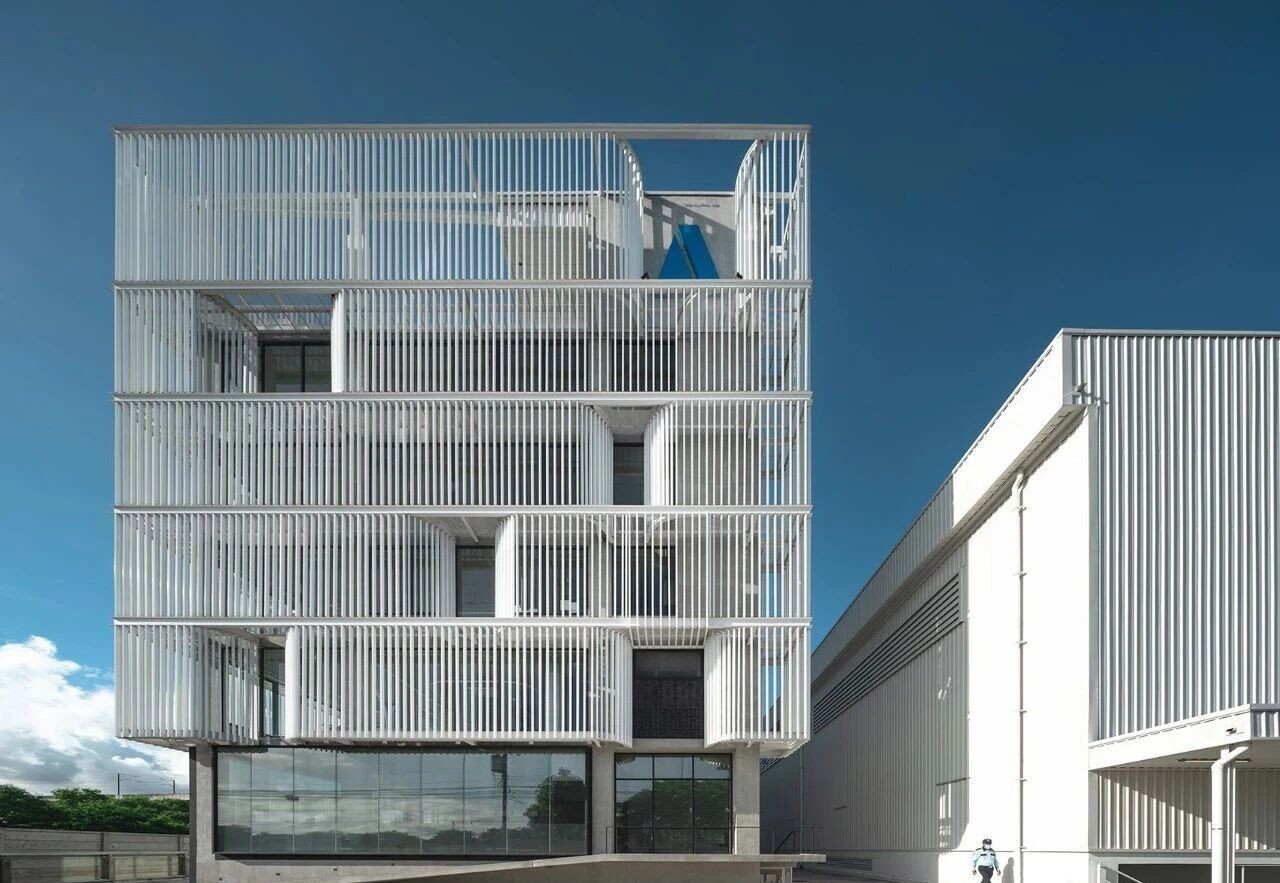
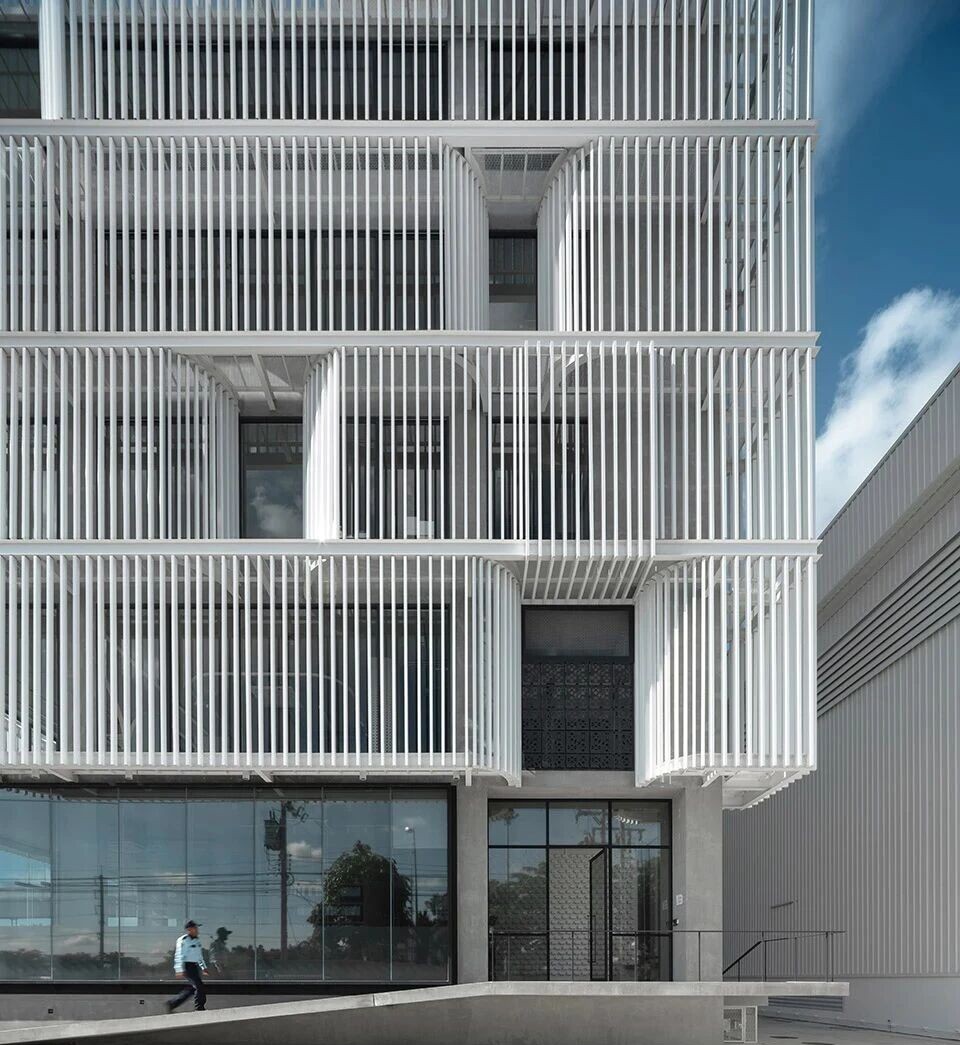
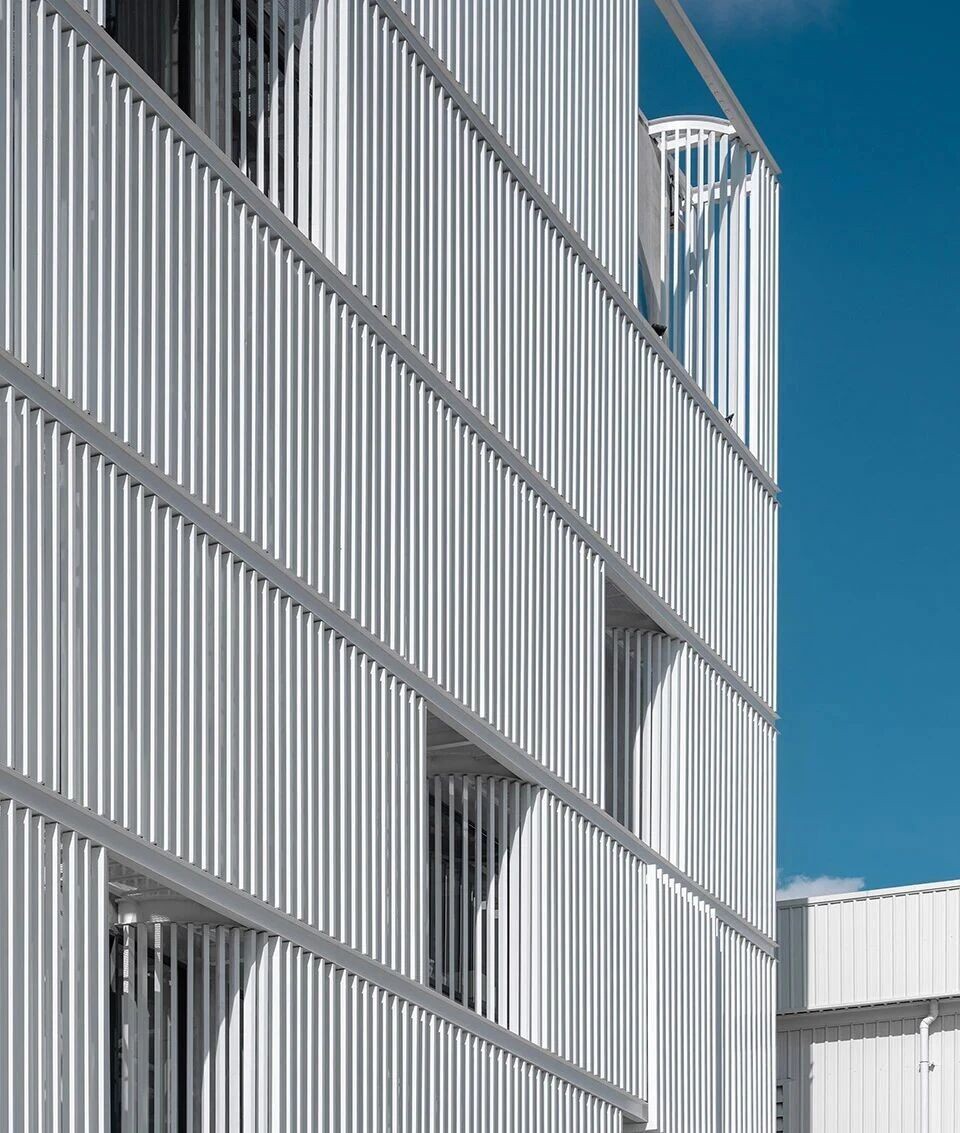
7.Vizafog6 Kindergarten Expansion and Renovation, Archikon Architect, Budapest
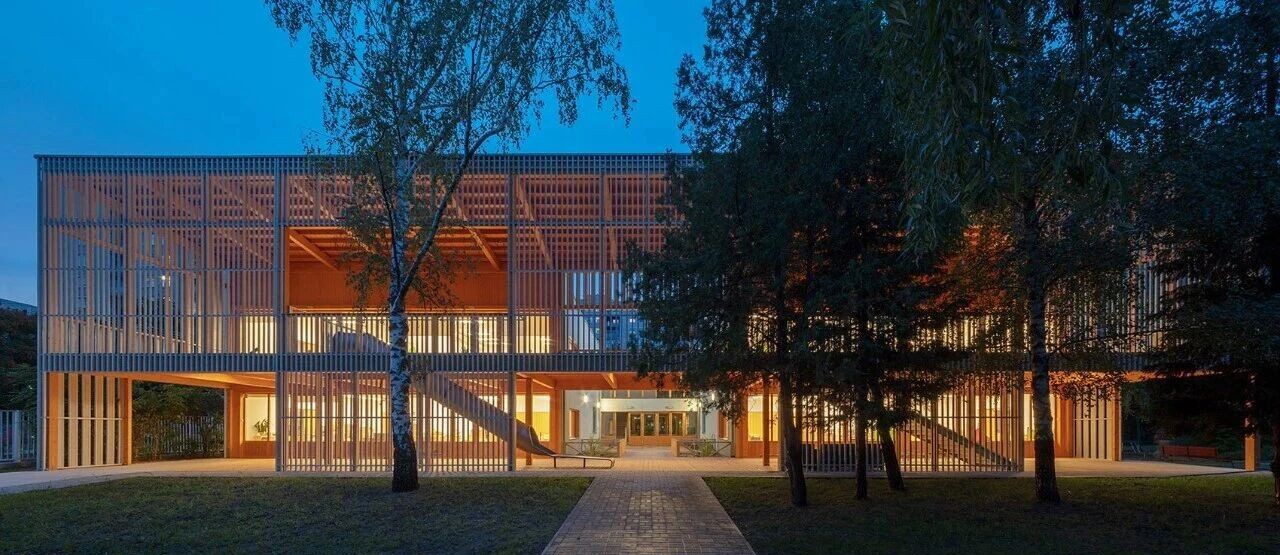
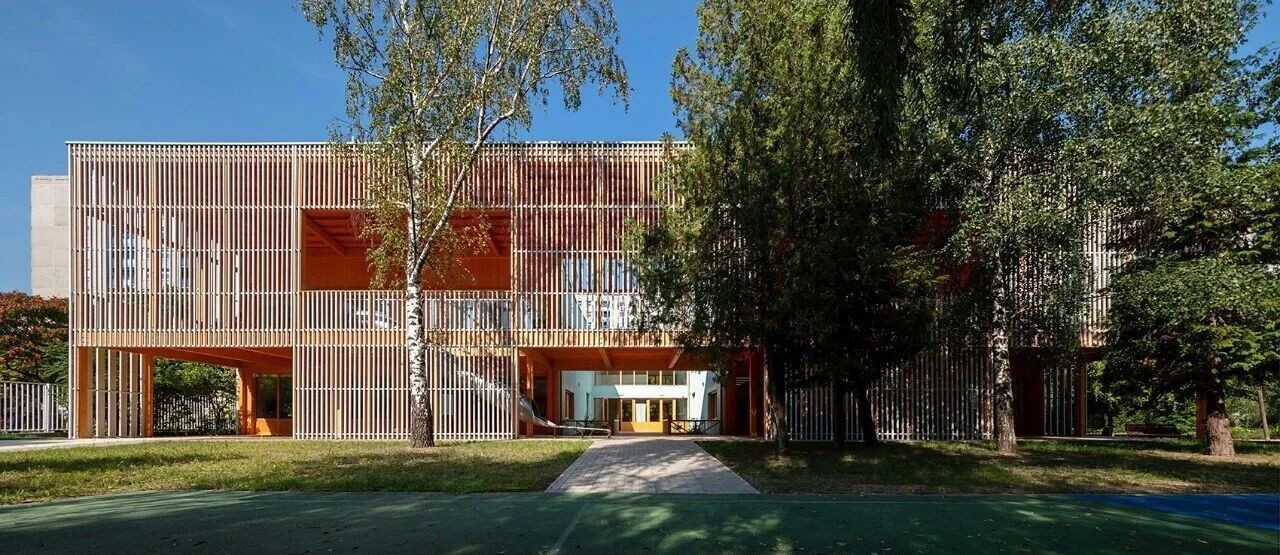
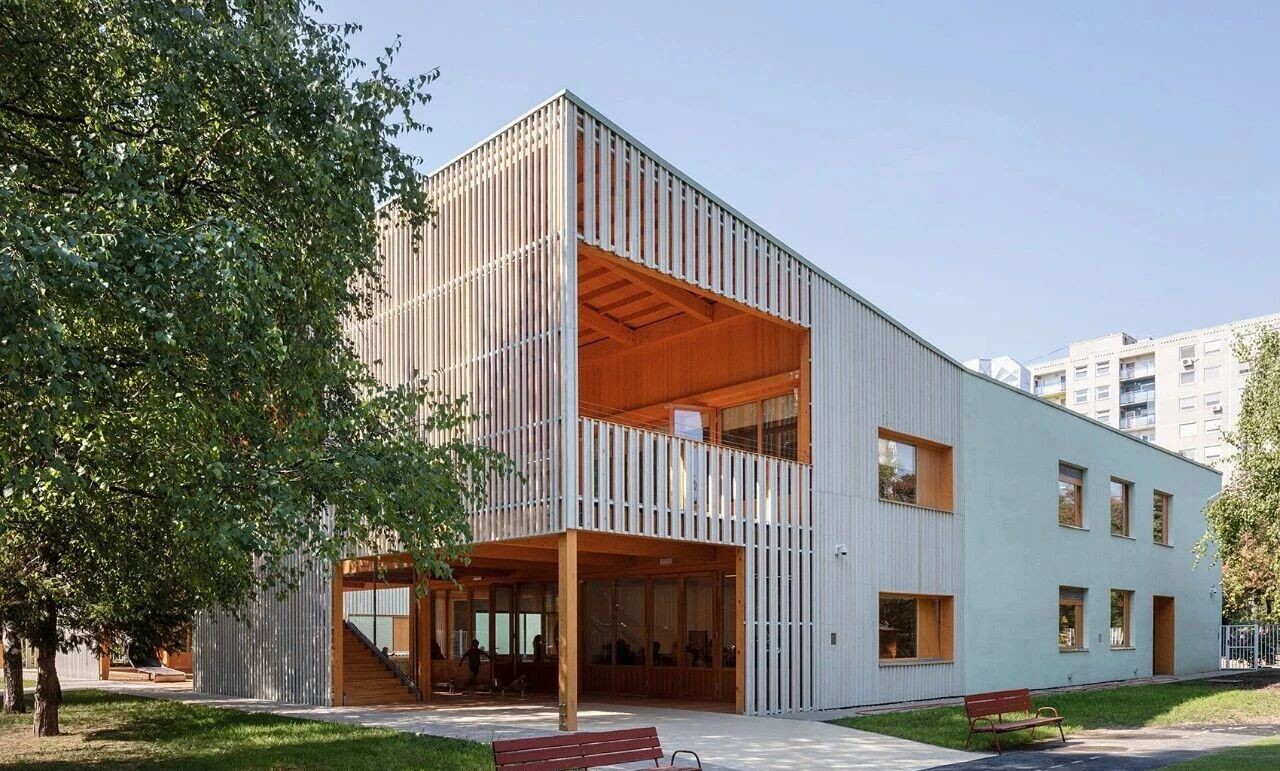
8.Steel House, NOMO STUDIO, Spain
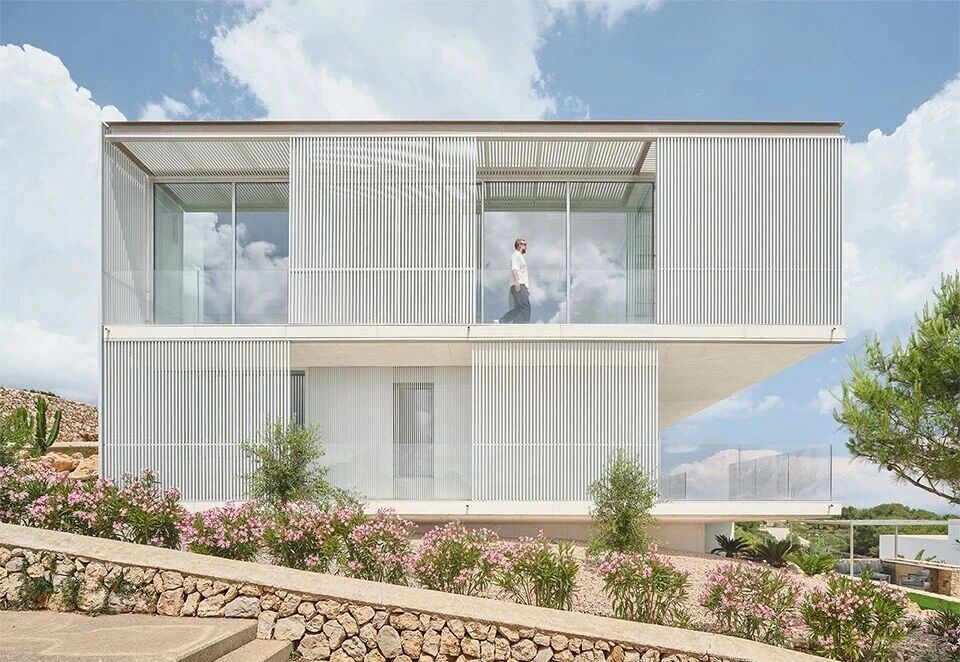
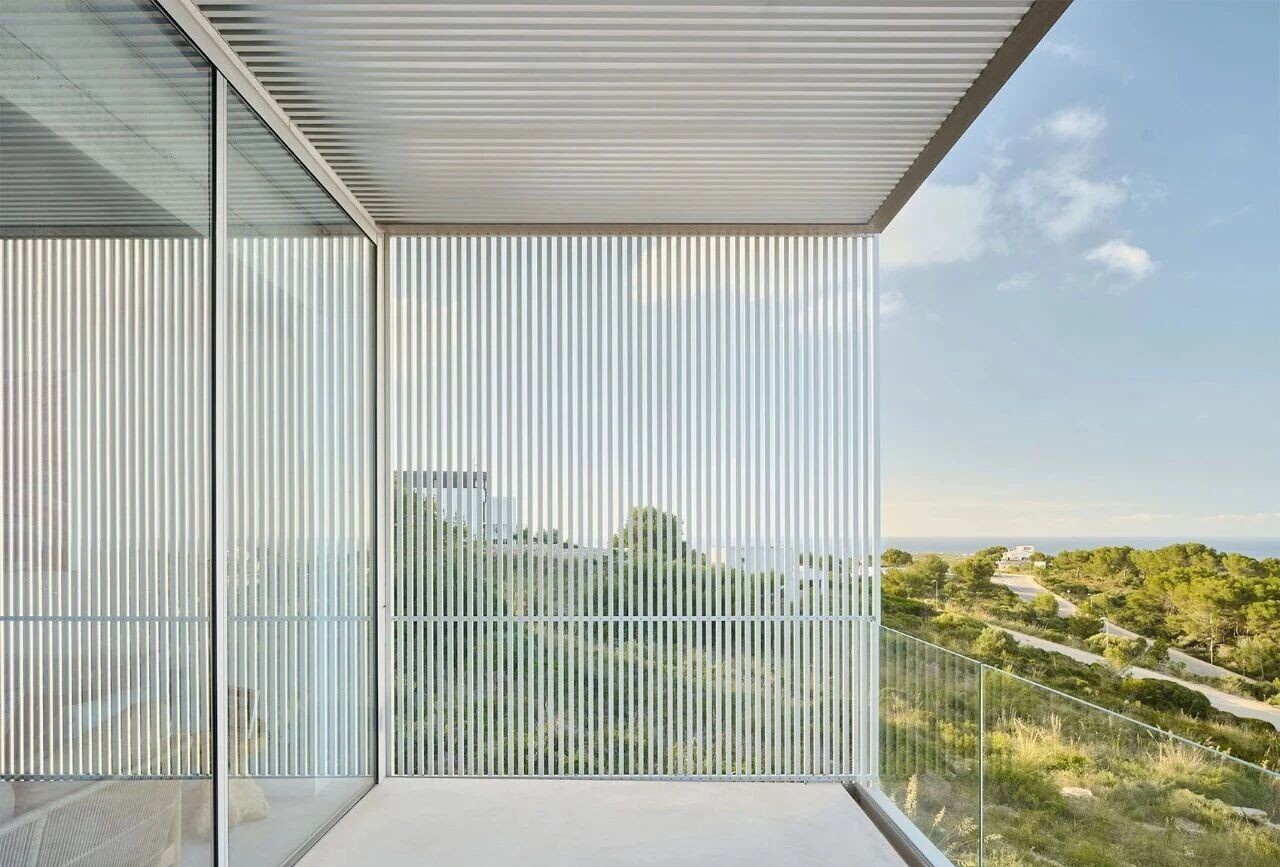
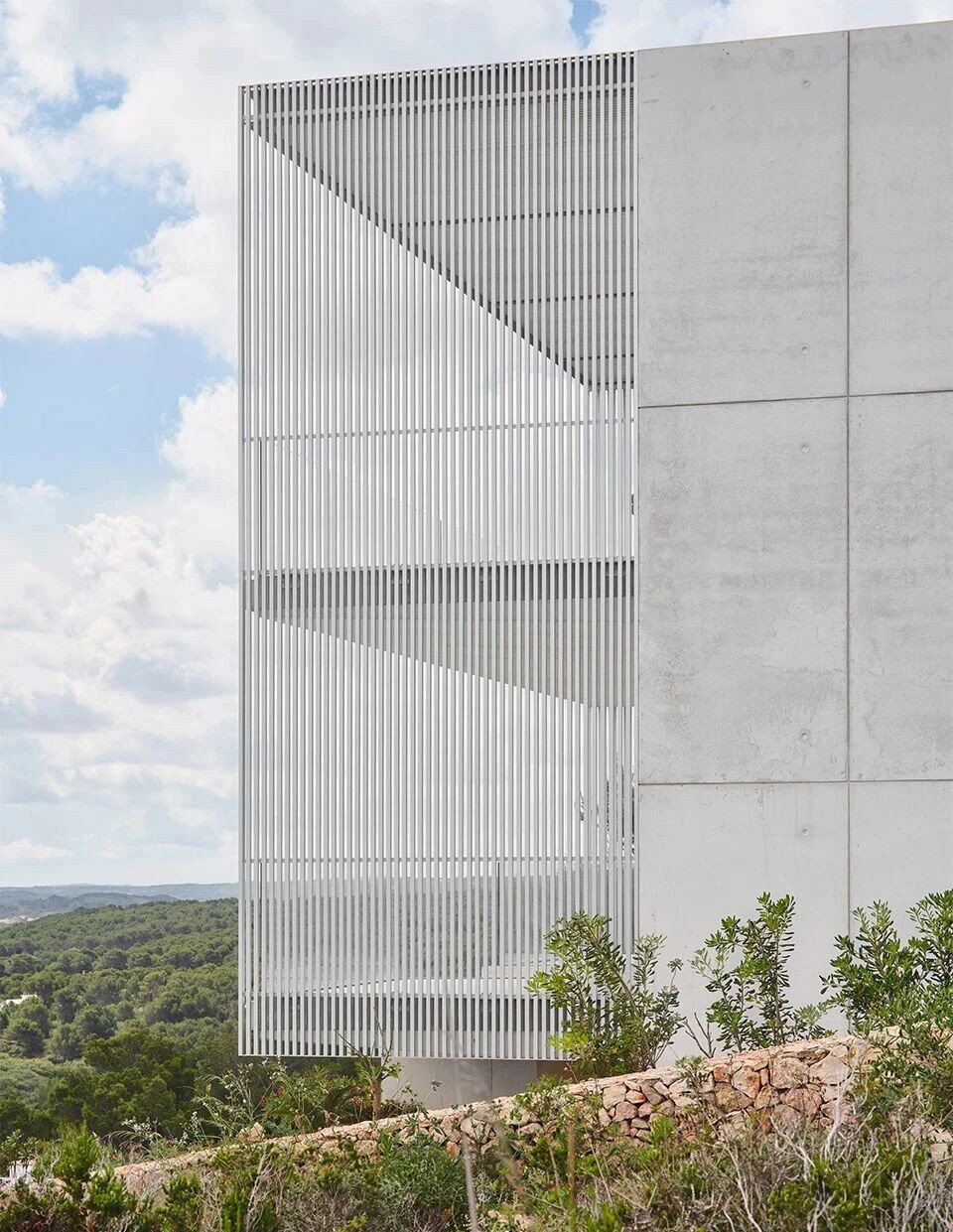
9.Ten Like Textile Industrial Park, Guilin Lv Yuanxiang Architectural Firm
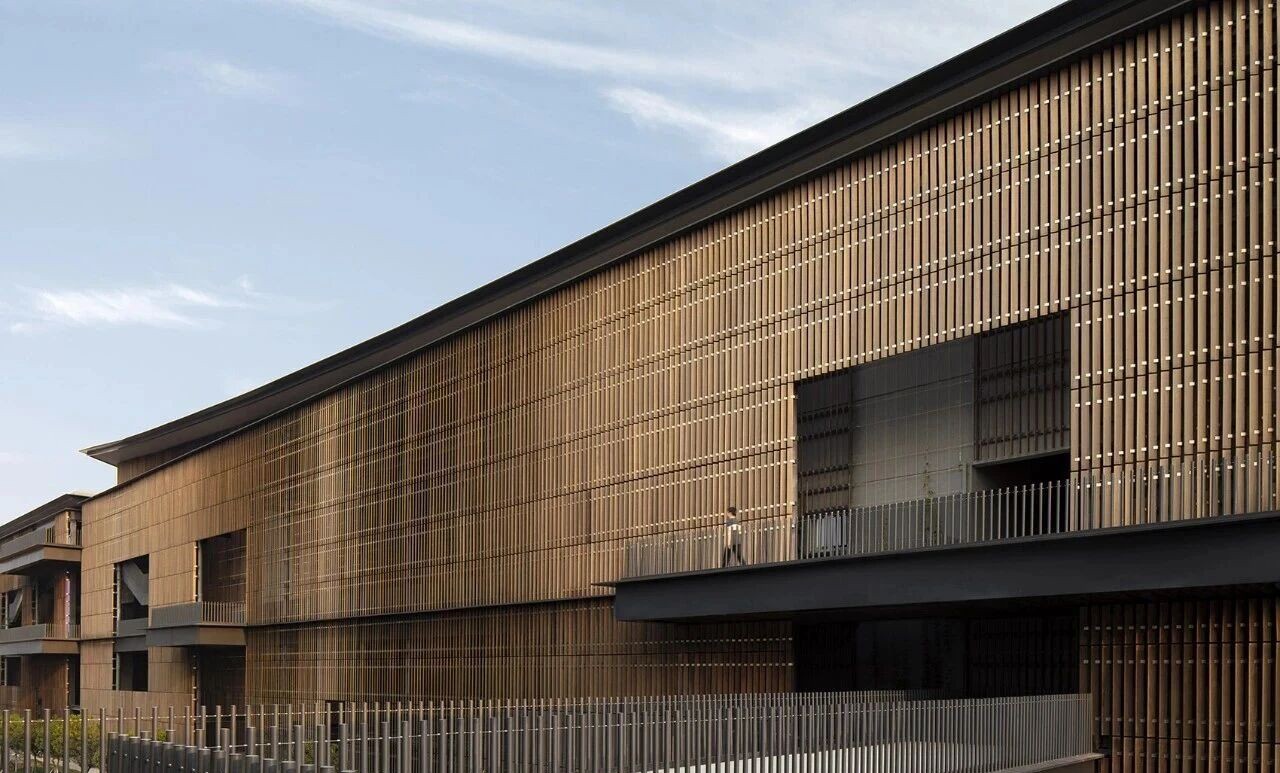
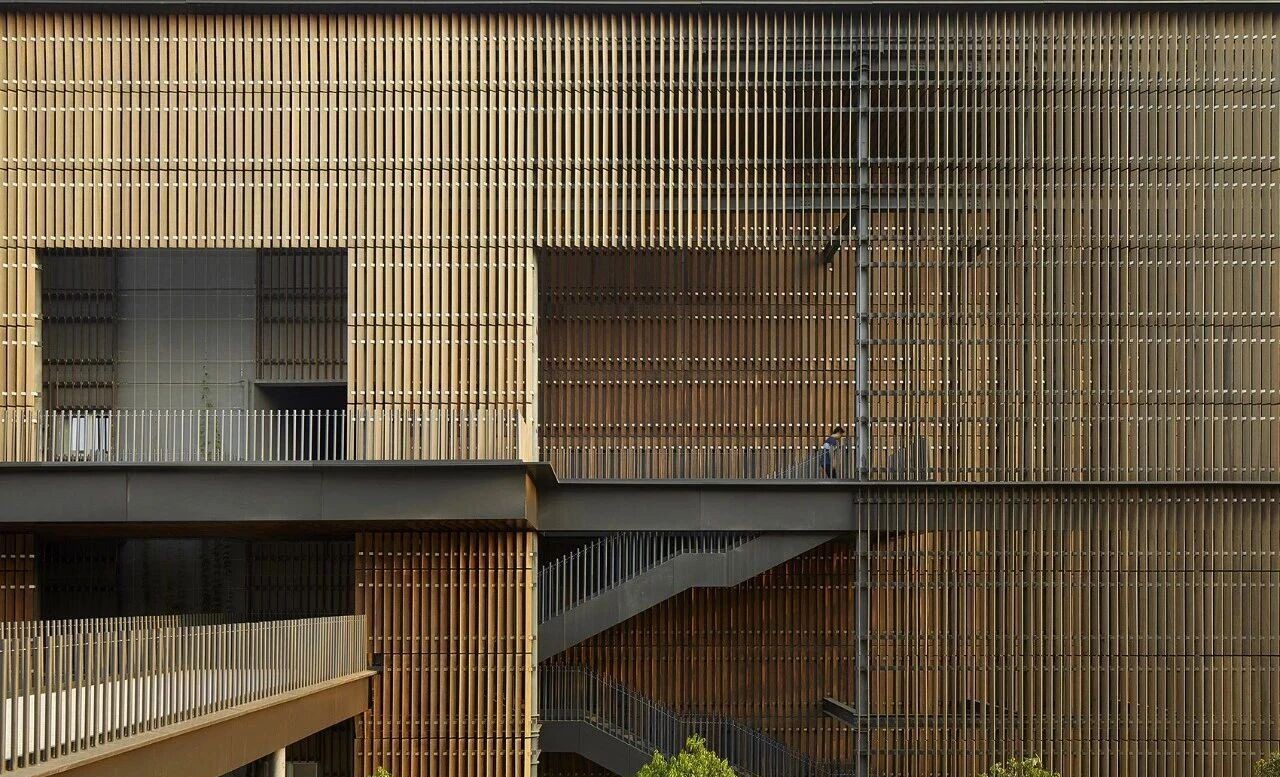
10.Museum of Chinese Opera and Hundred Plays, Zhang Lei Design and Research Institute in Kunshan, Jiangsu Province, China. AzLa+Nanjing Changjiang Urban Architecture Design Co., Ltd
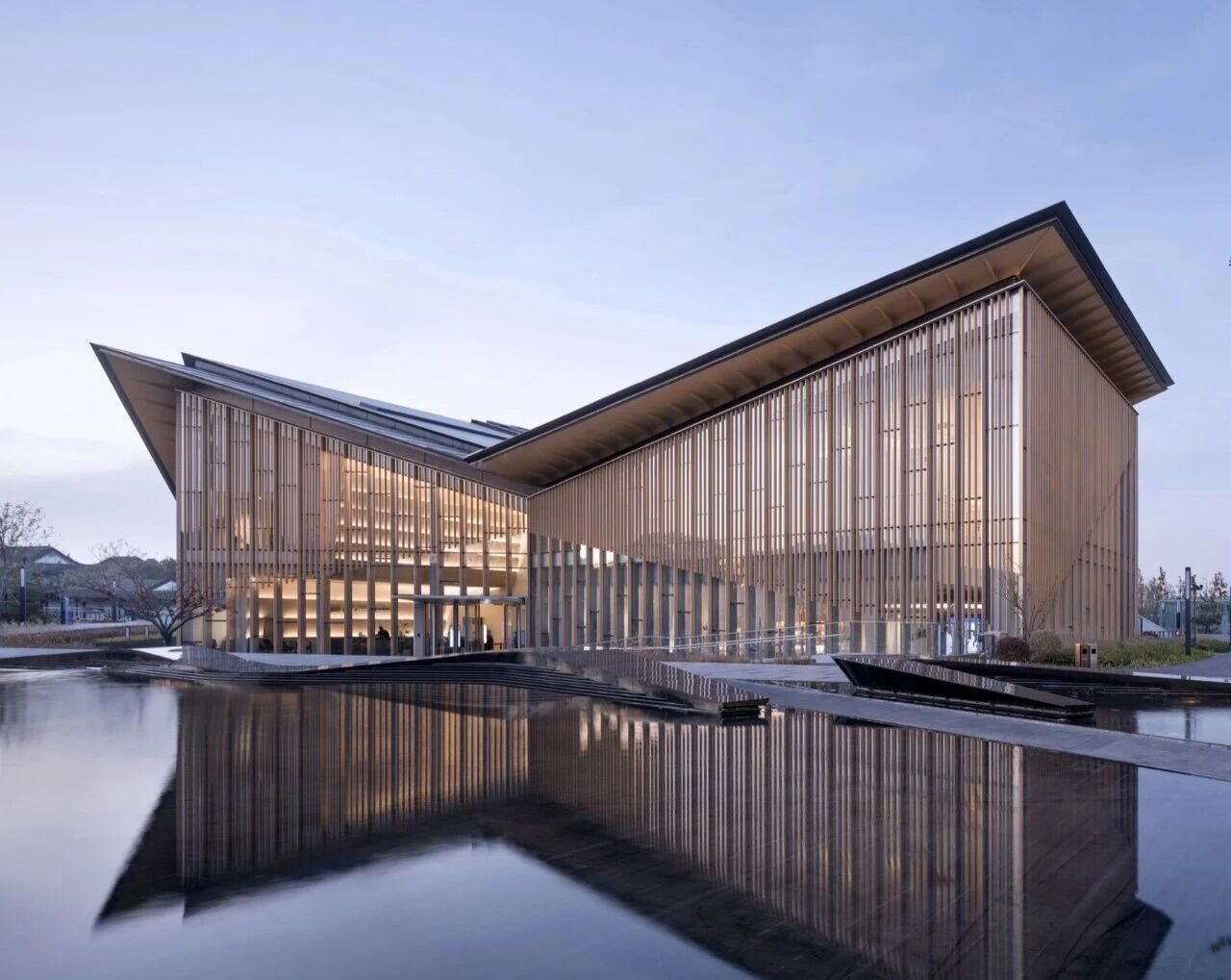
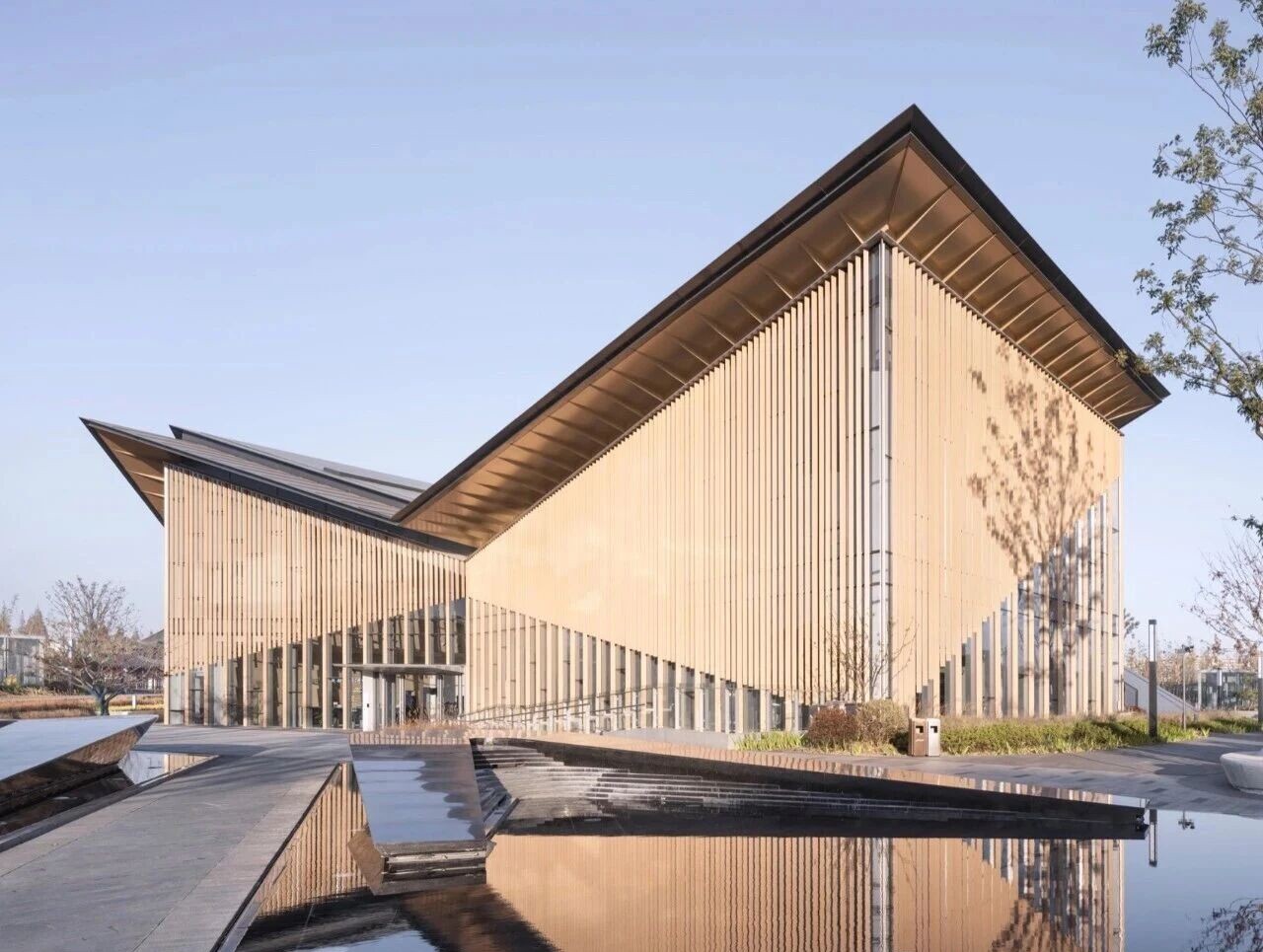
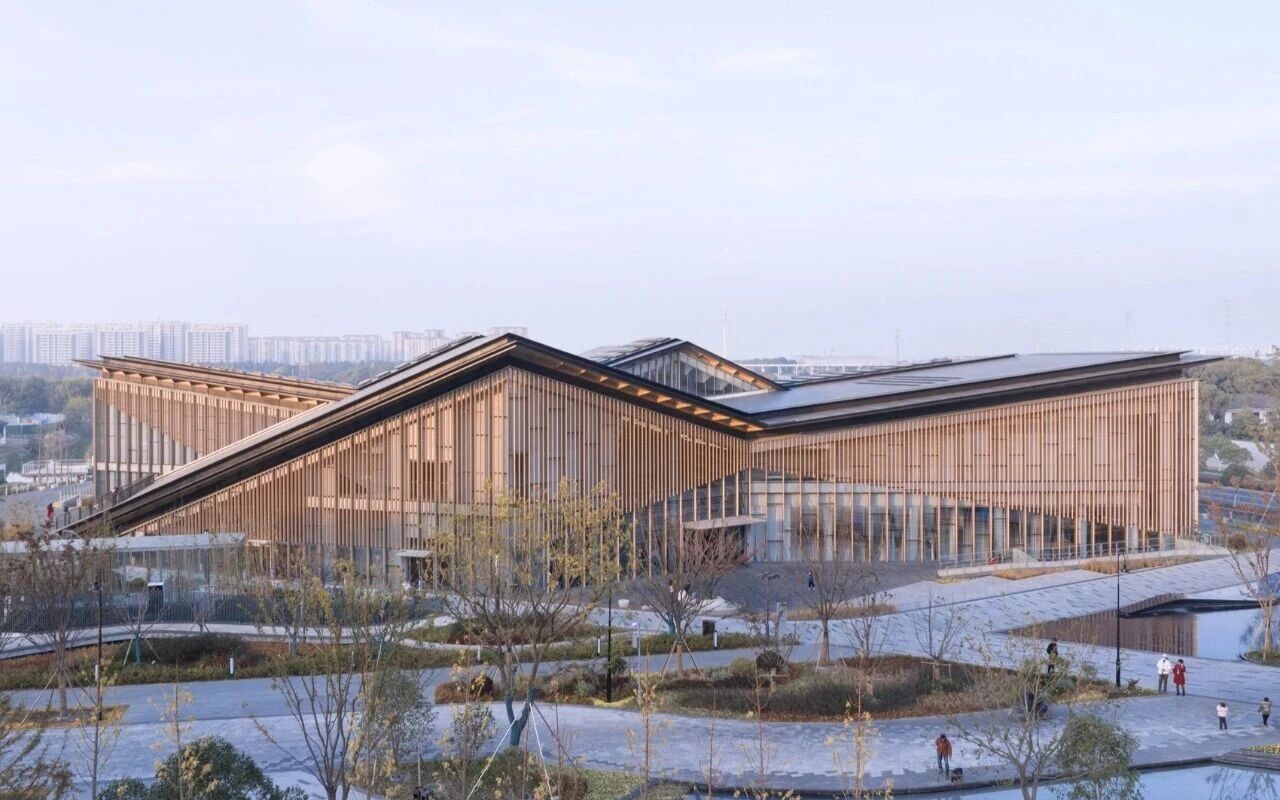
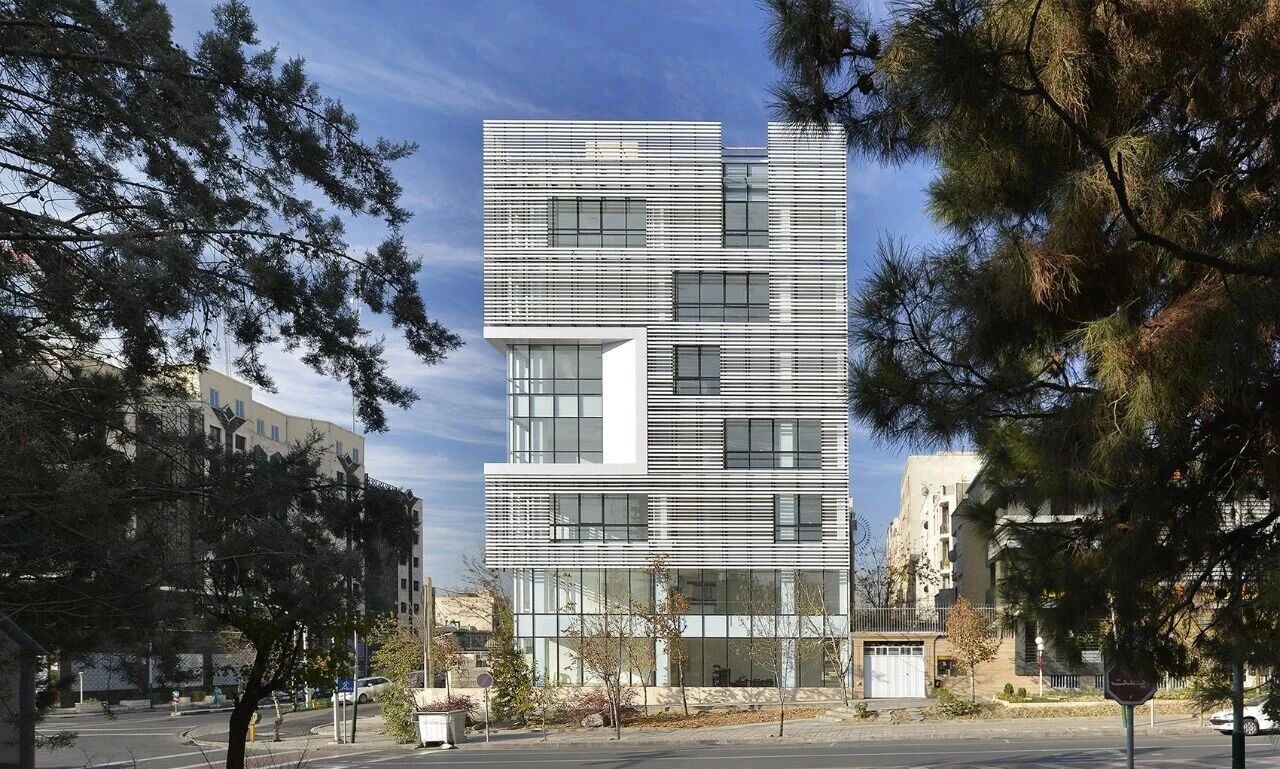
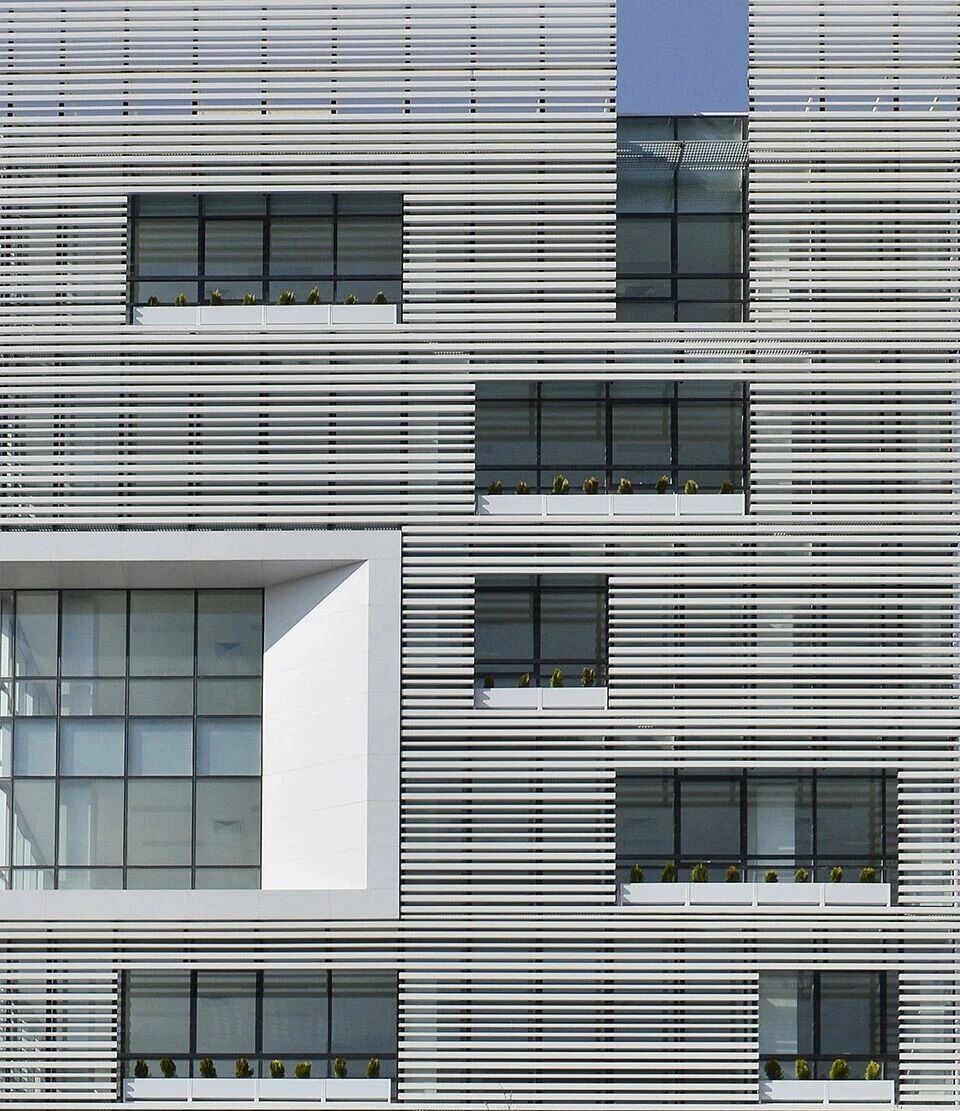
11. White office building BNS Studio in Tehran
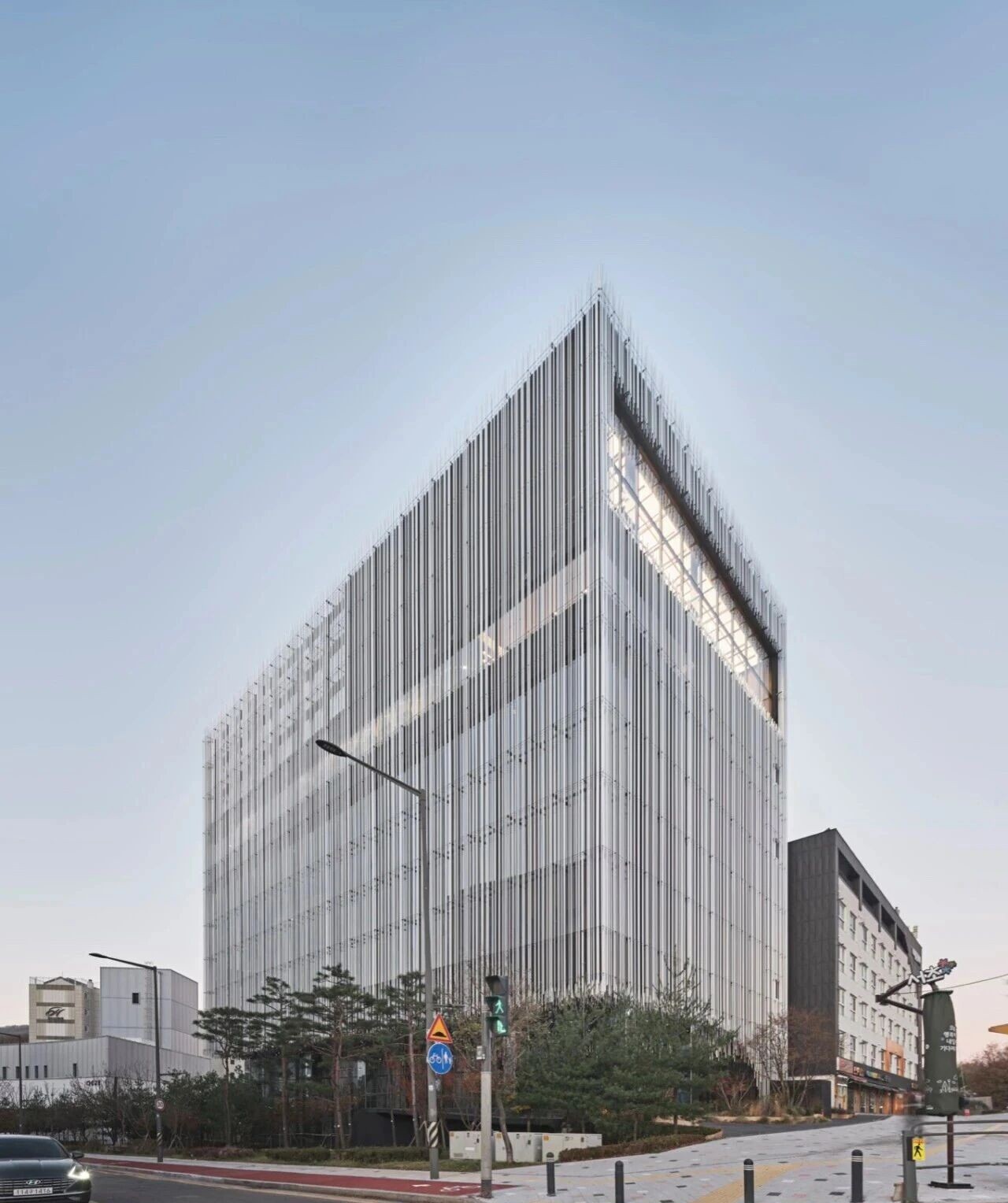
12.Audeum Sound Museum, Kengo Kuma Architecture and Urban Design Firm, Seoul
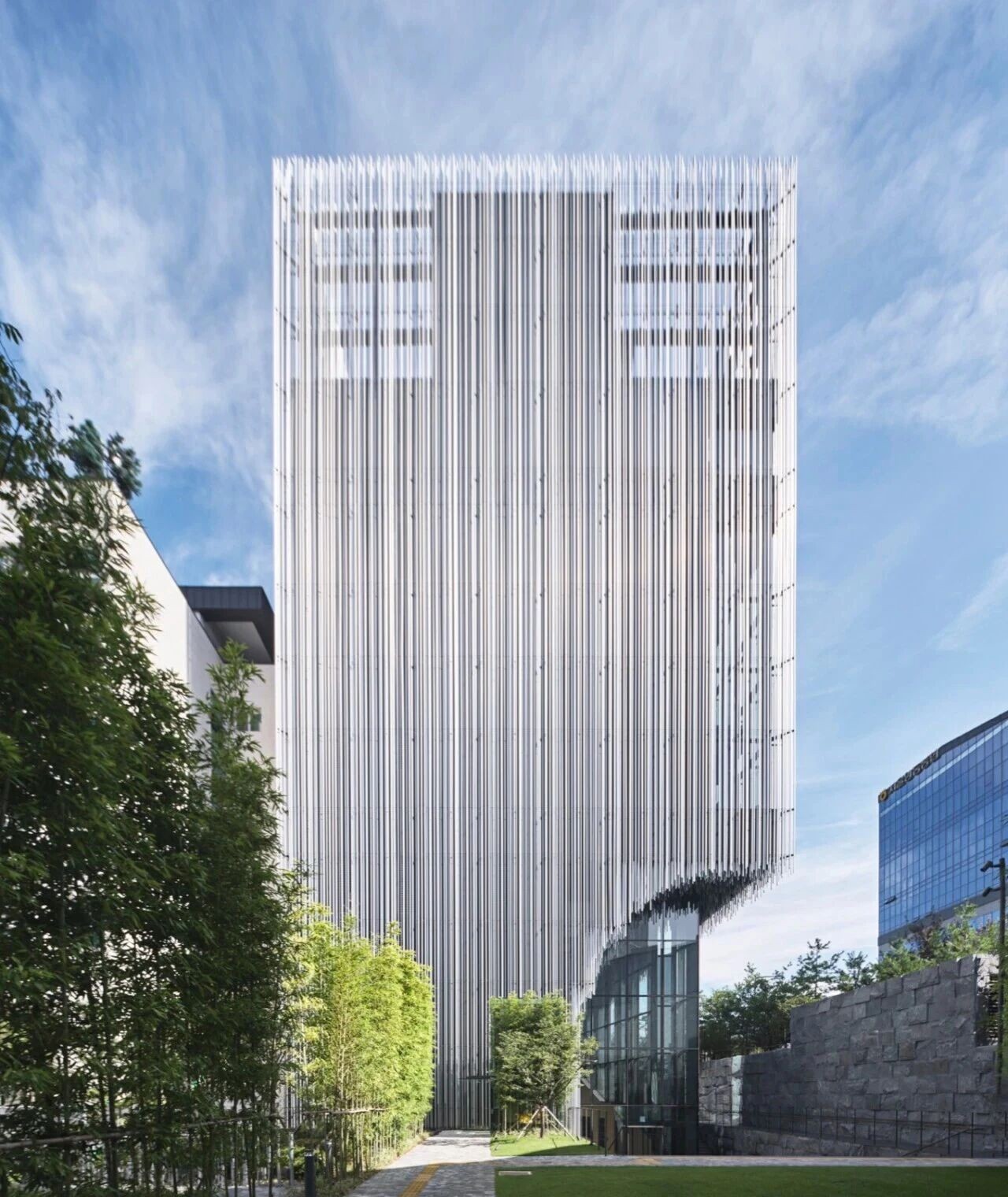
13.Daily cleaning design for Shanghai Gucun Sports Center
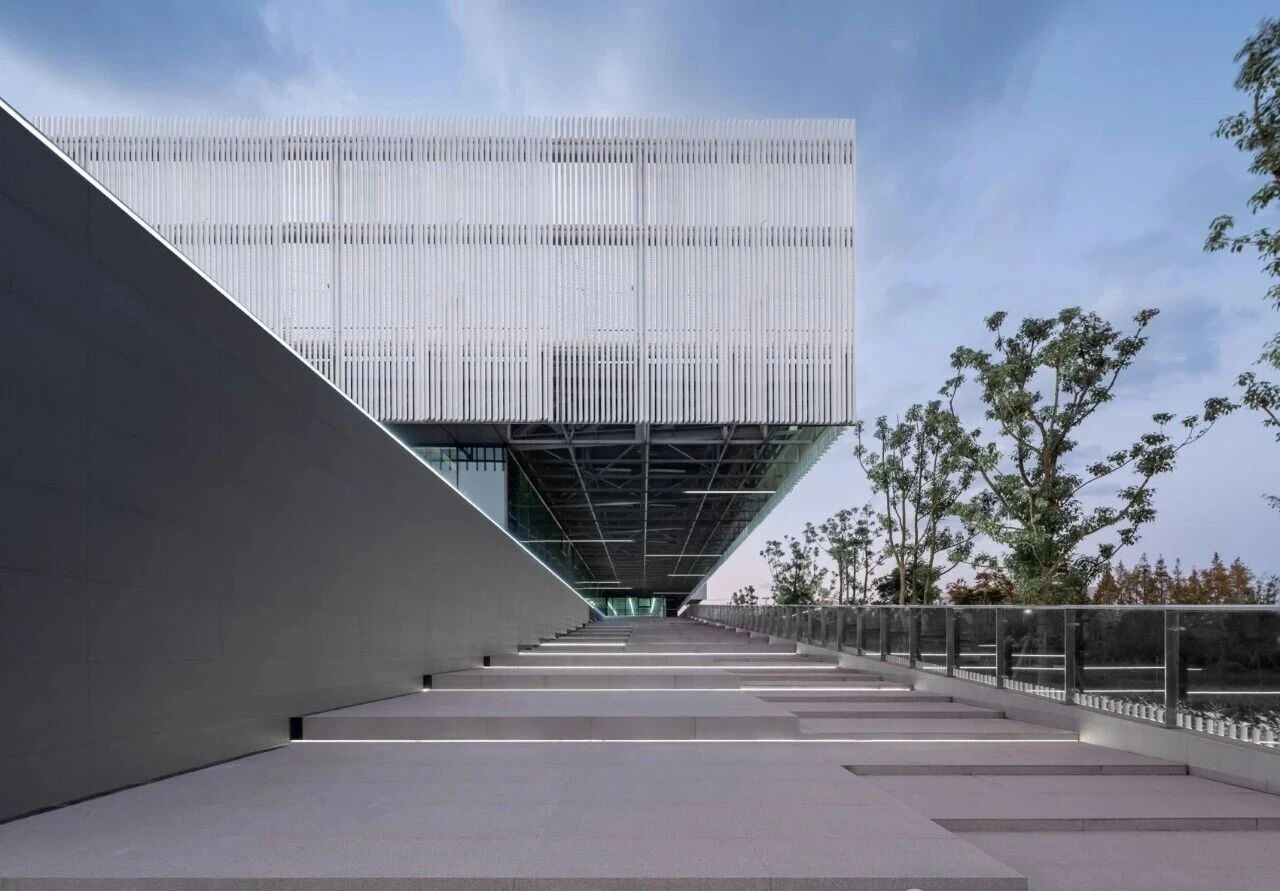
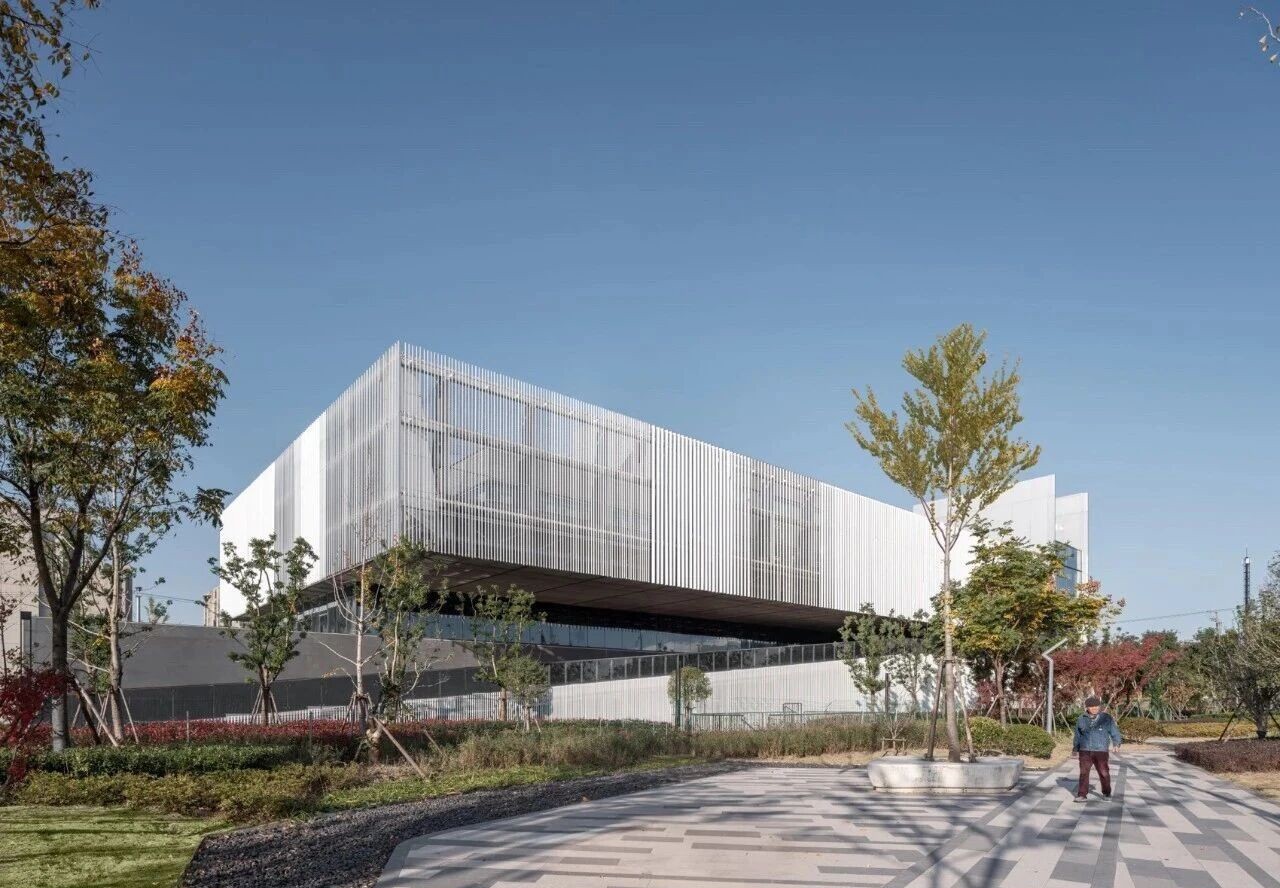
14.Zhongshan Passenger Port, Guangdong Huayang International Design Group
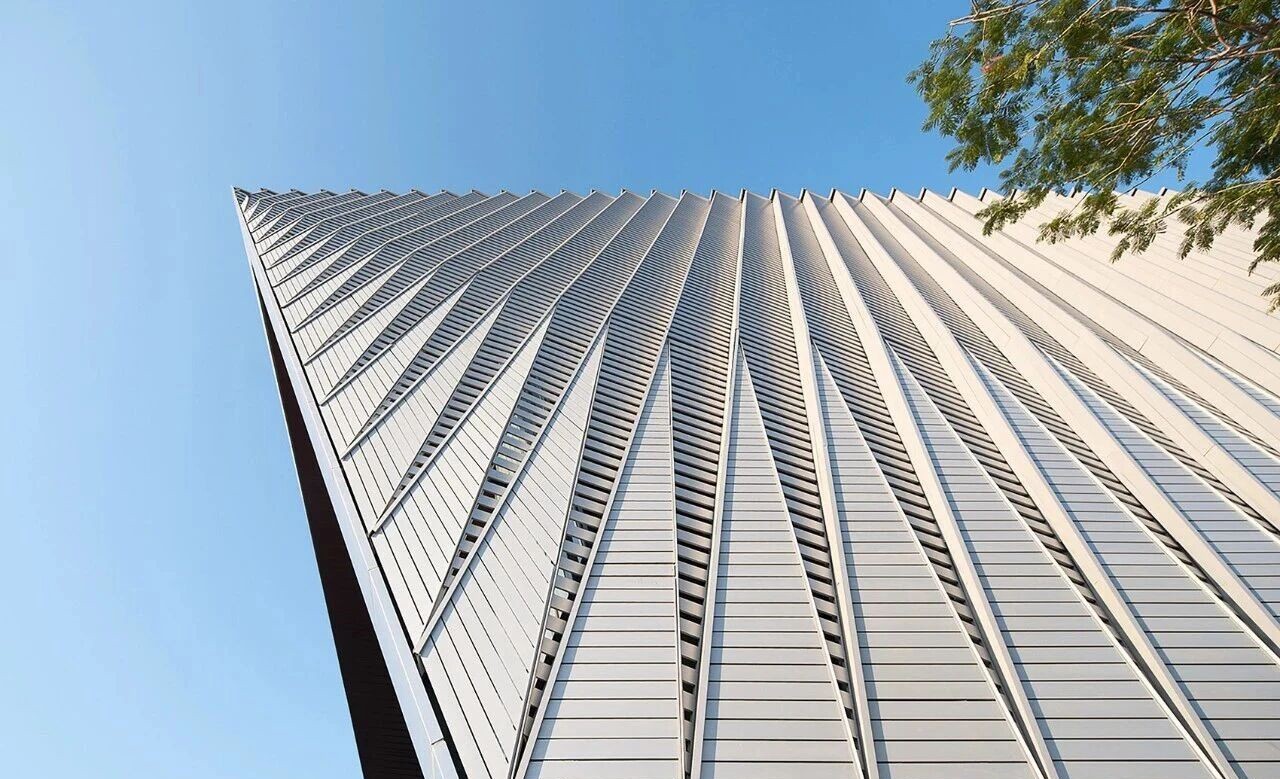
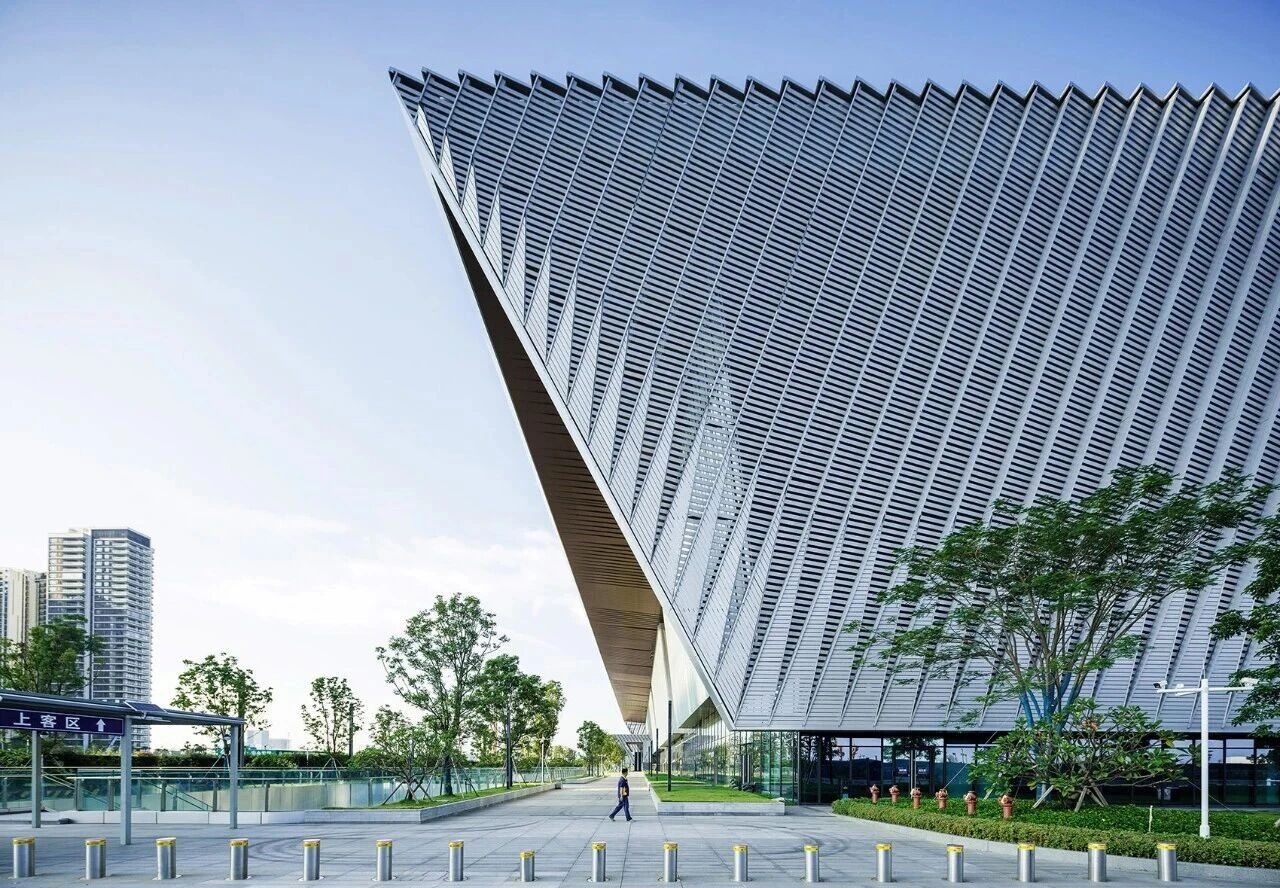
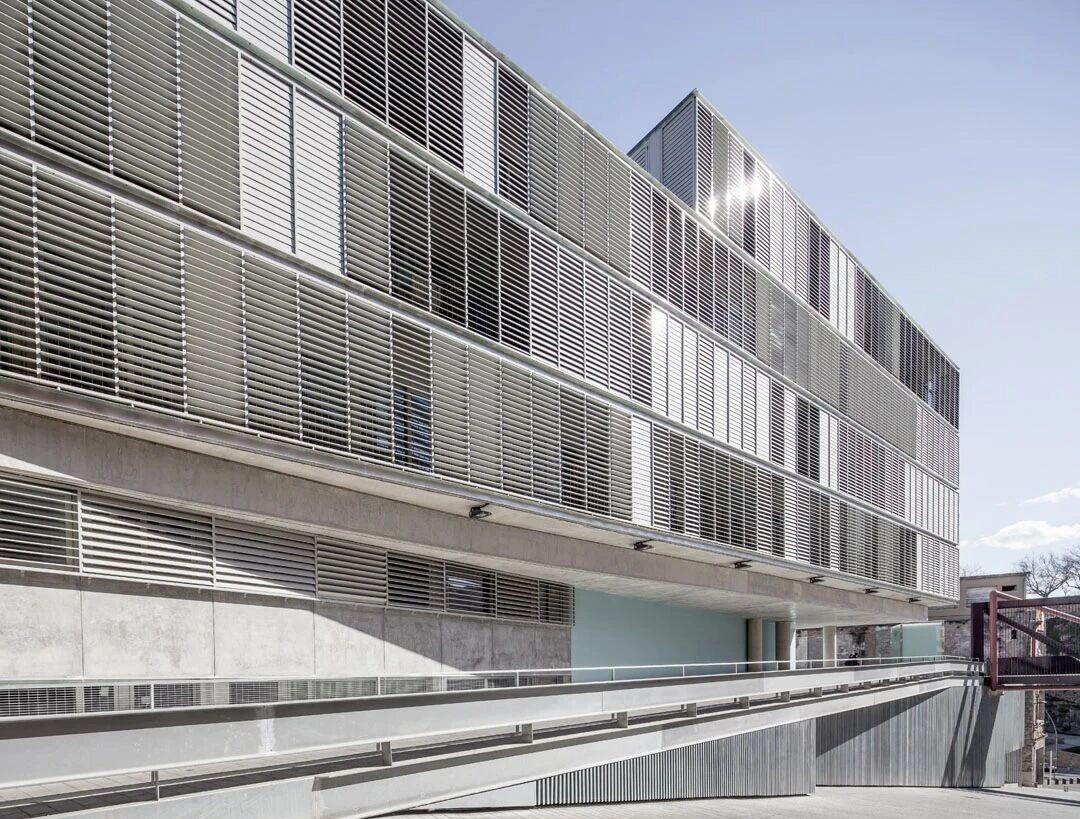
15.Social housing in the old town of Reza, Catalonia, Lola Domenech, Spain
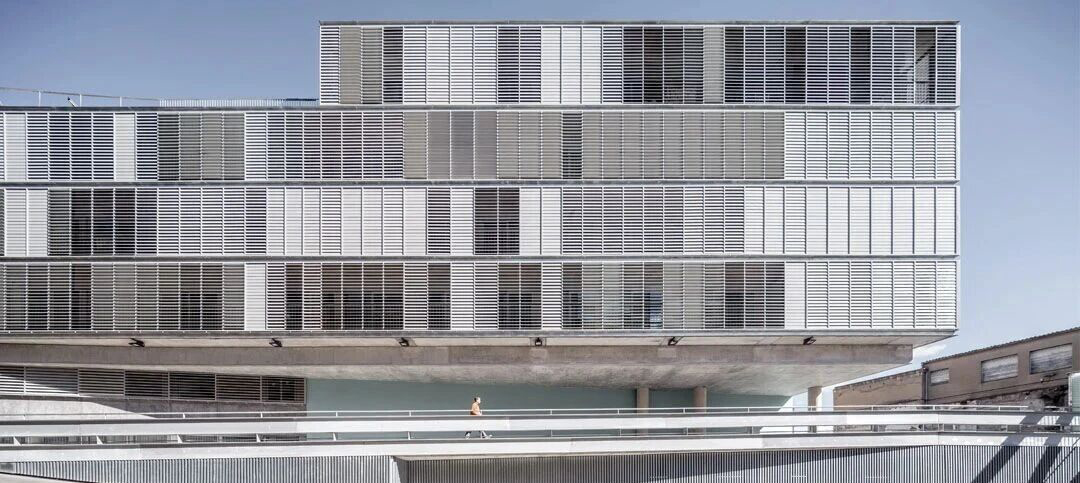
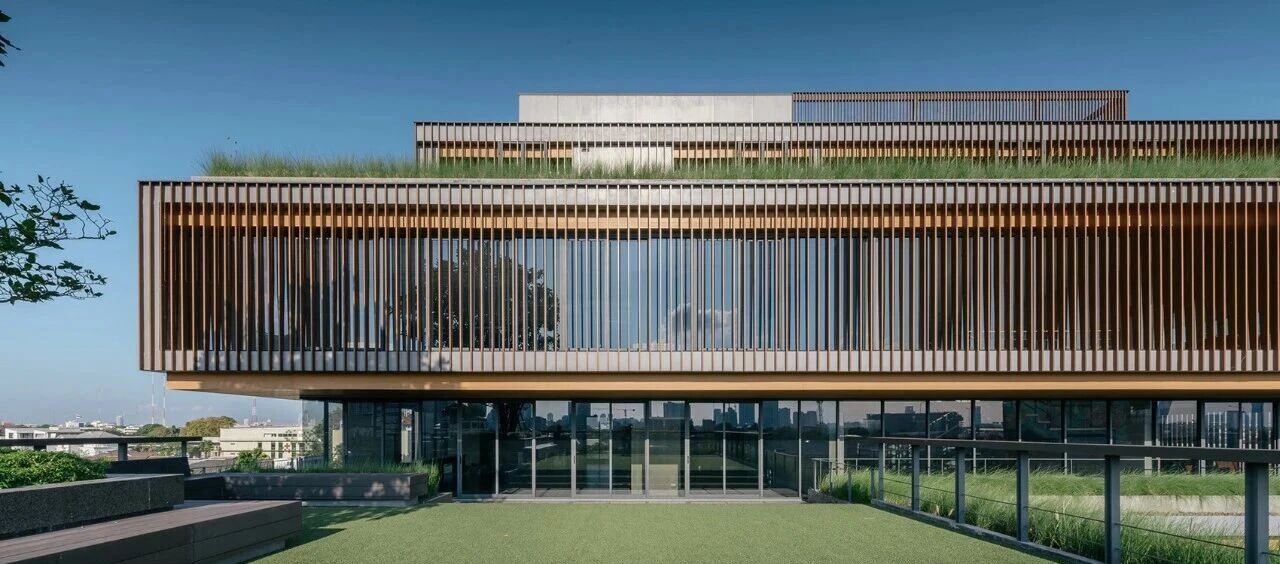
16.Inter Crop Office, StuDO Bangkok
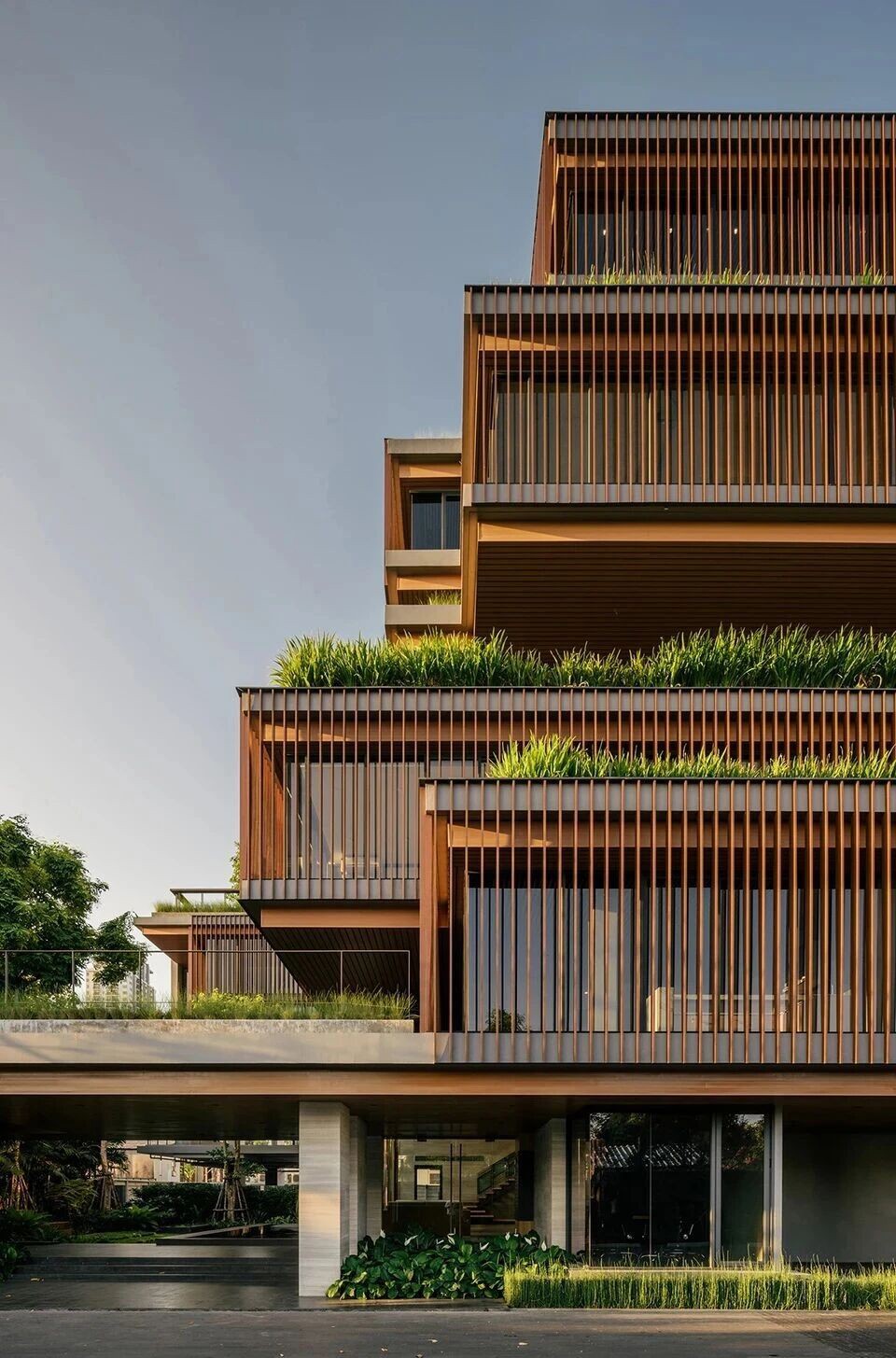
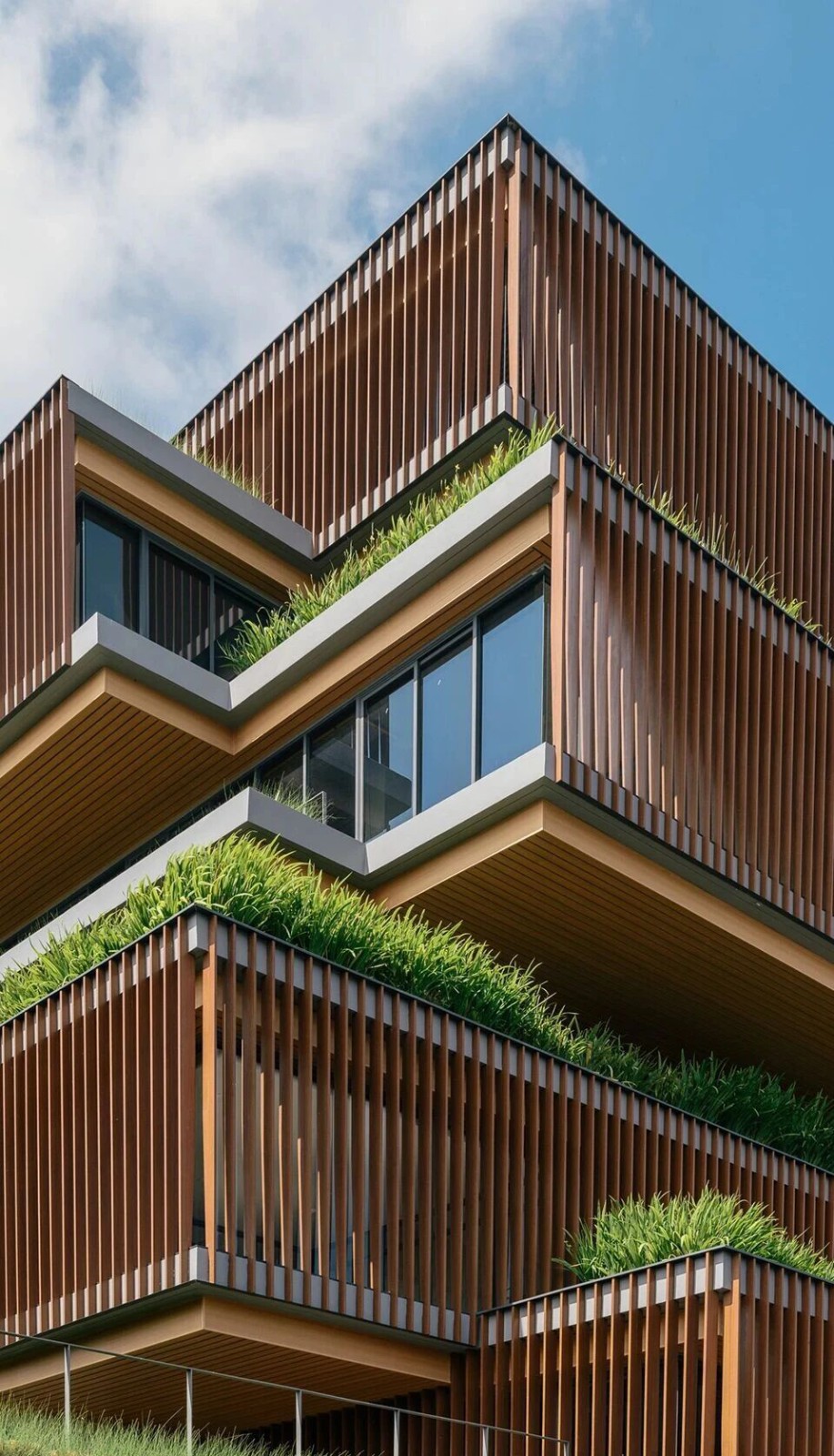
17.Zhang Lei United Architectural Firm of Nanjing Wanjingyuan Chapel
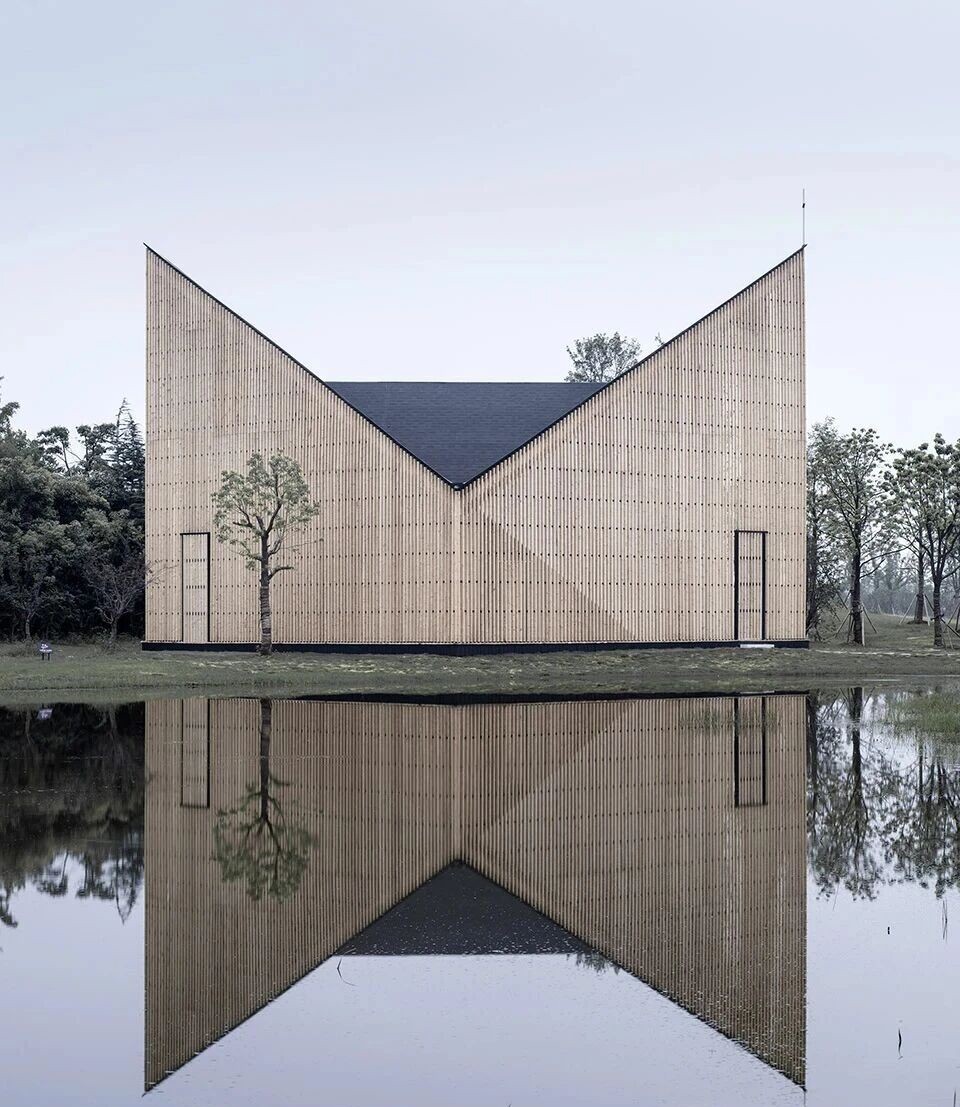
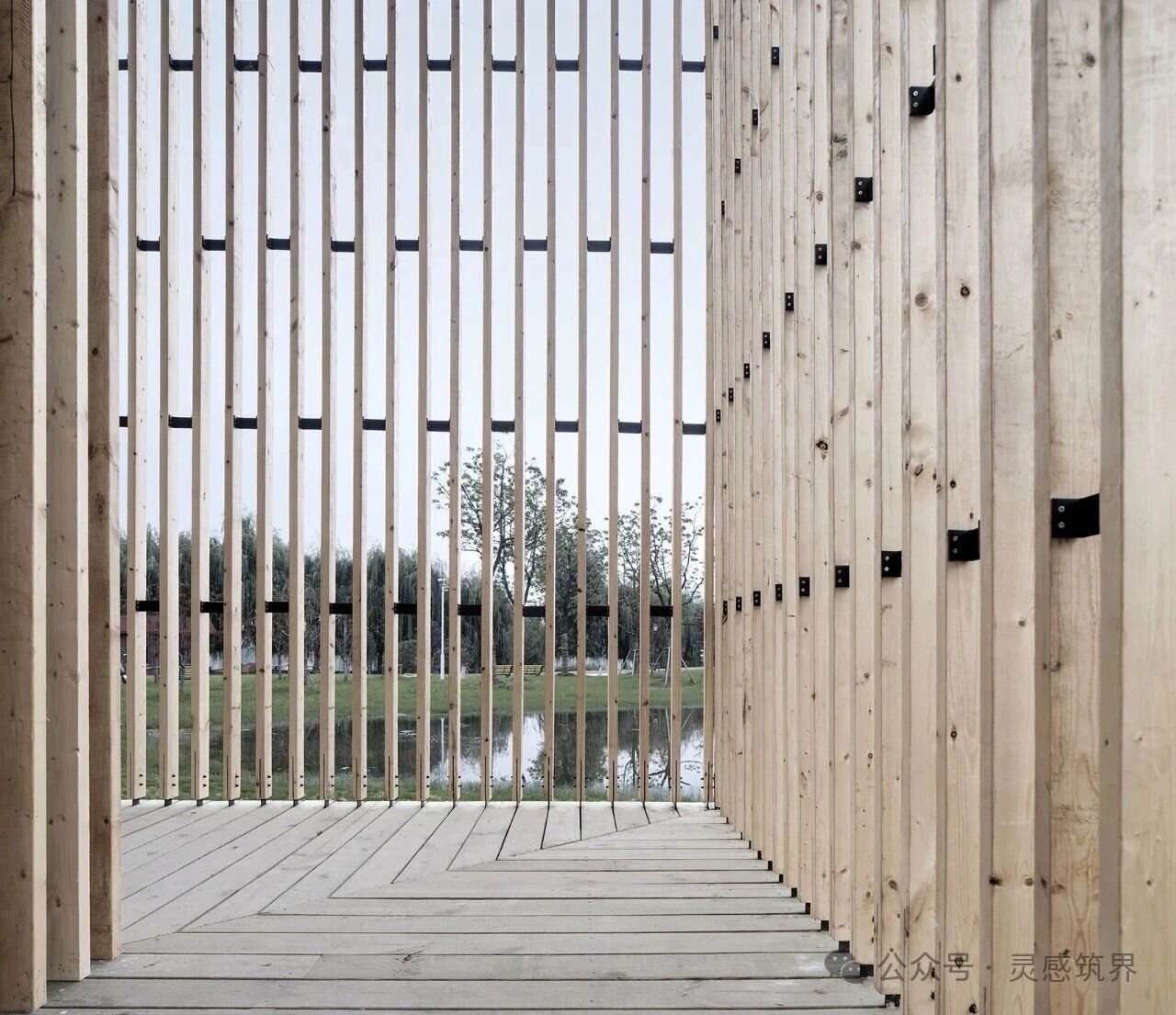
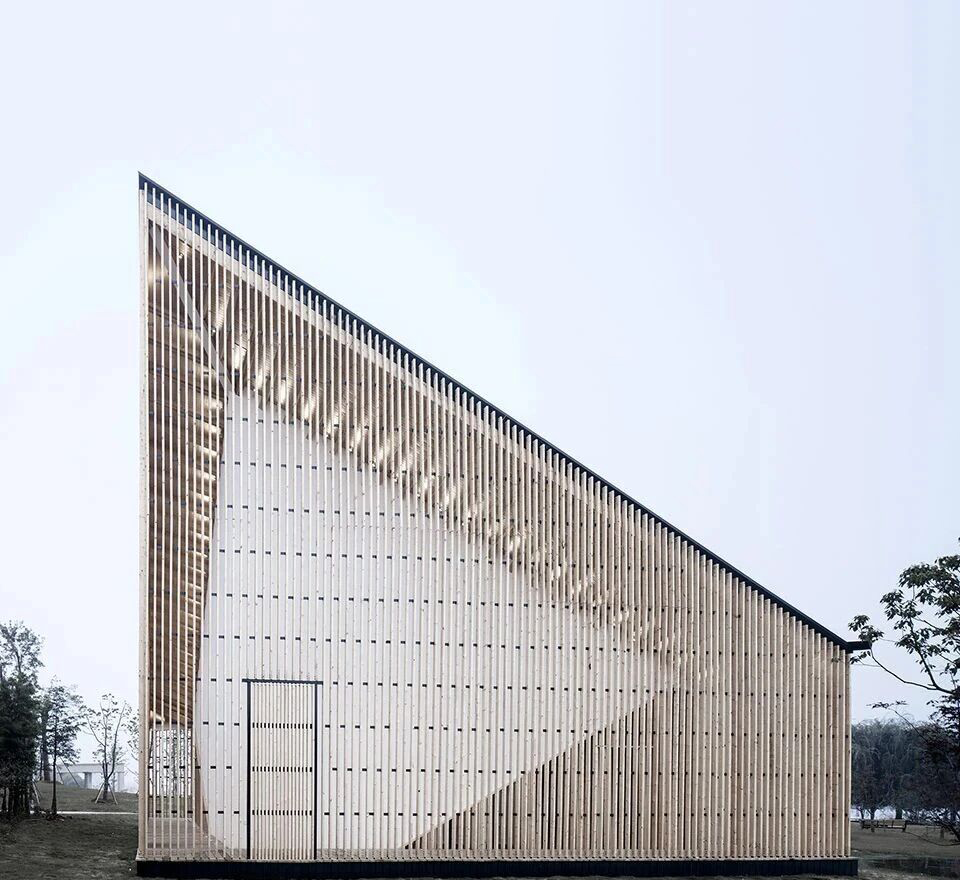
18.CJIB New Building, Claus en Kaan Architecten, Netherlands
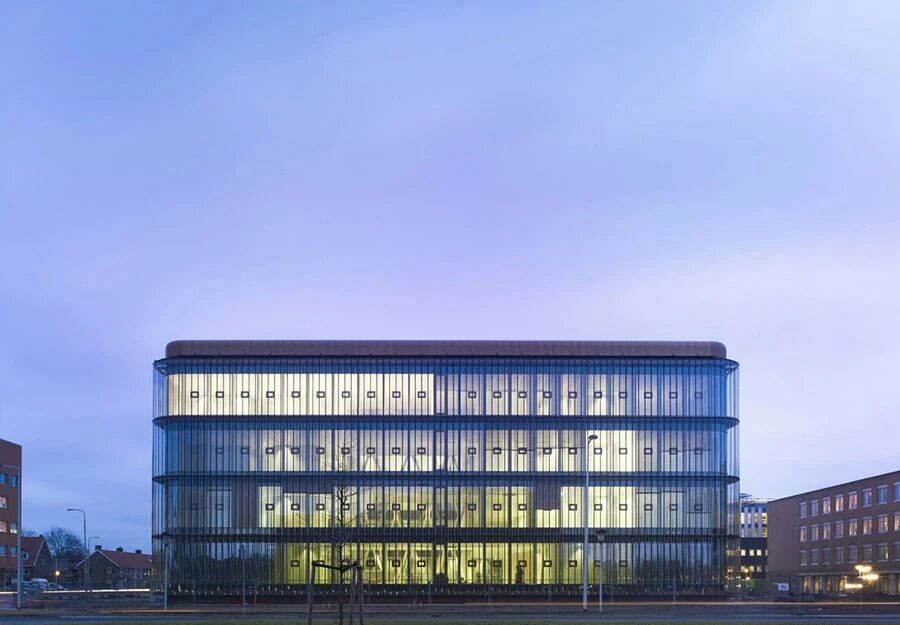
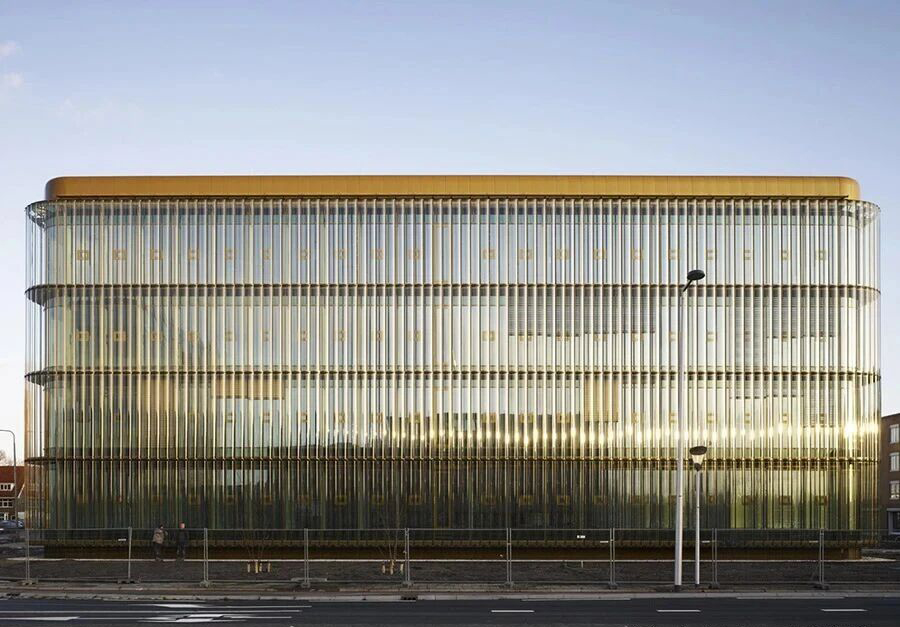
19.Paracelsus Bad&Kurhaus Public Baths, located at B Li Berger+Parkkinen Associated Architects
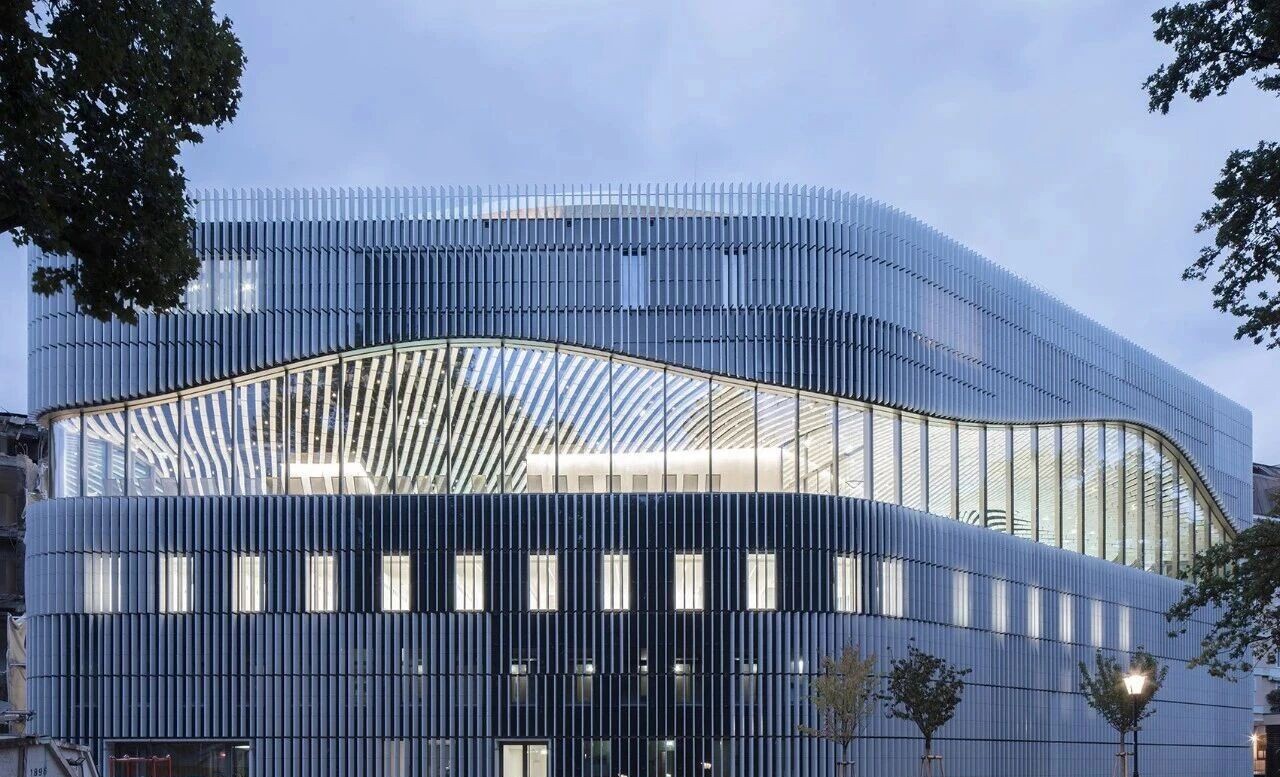
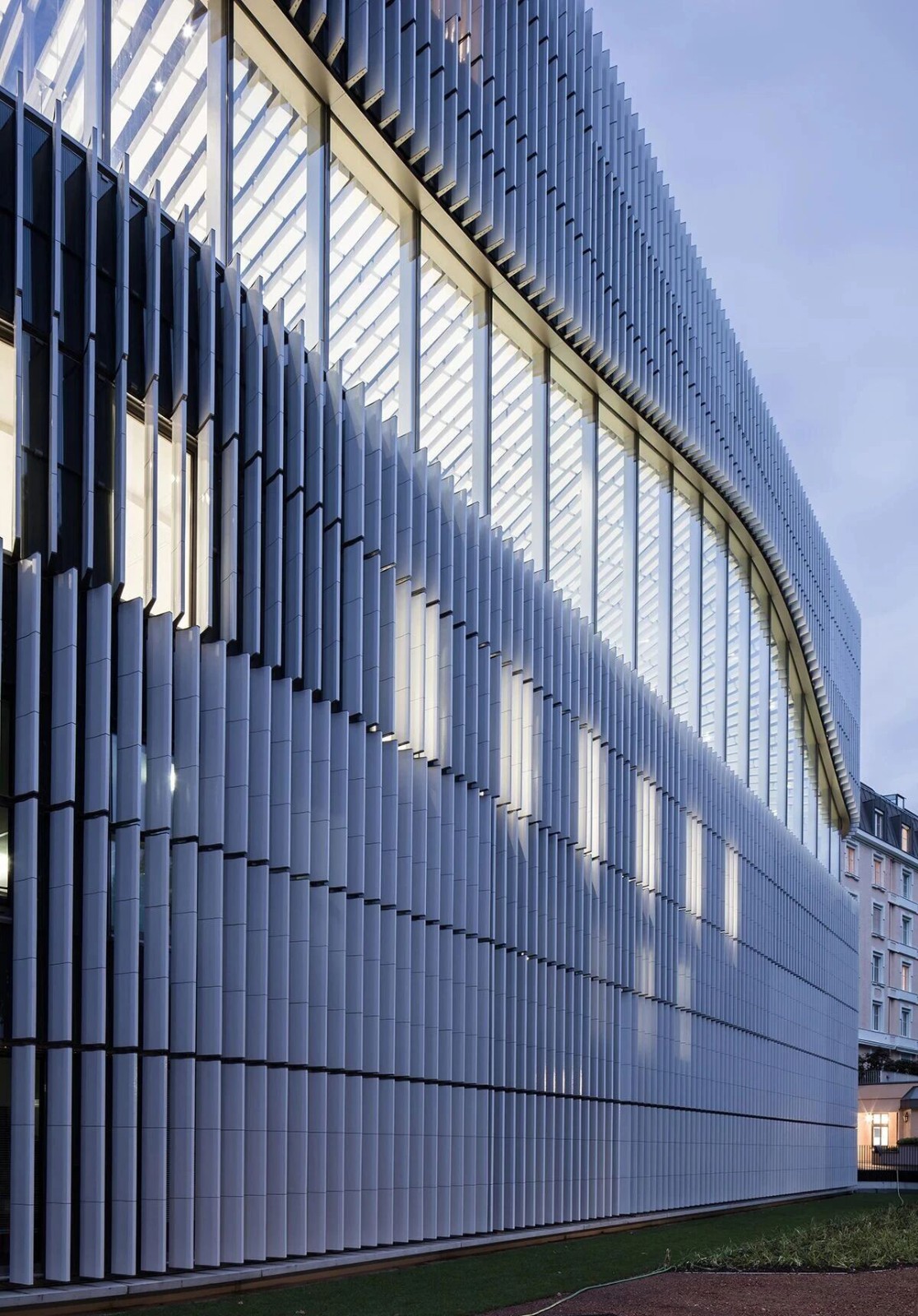
20. Saint Margaret High School Gymnasium, Epitesz Studio, Hungary
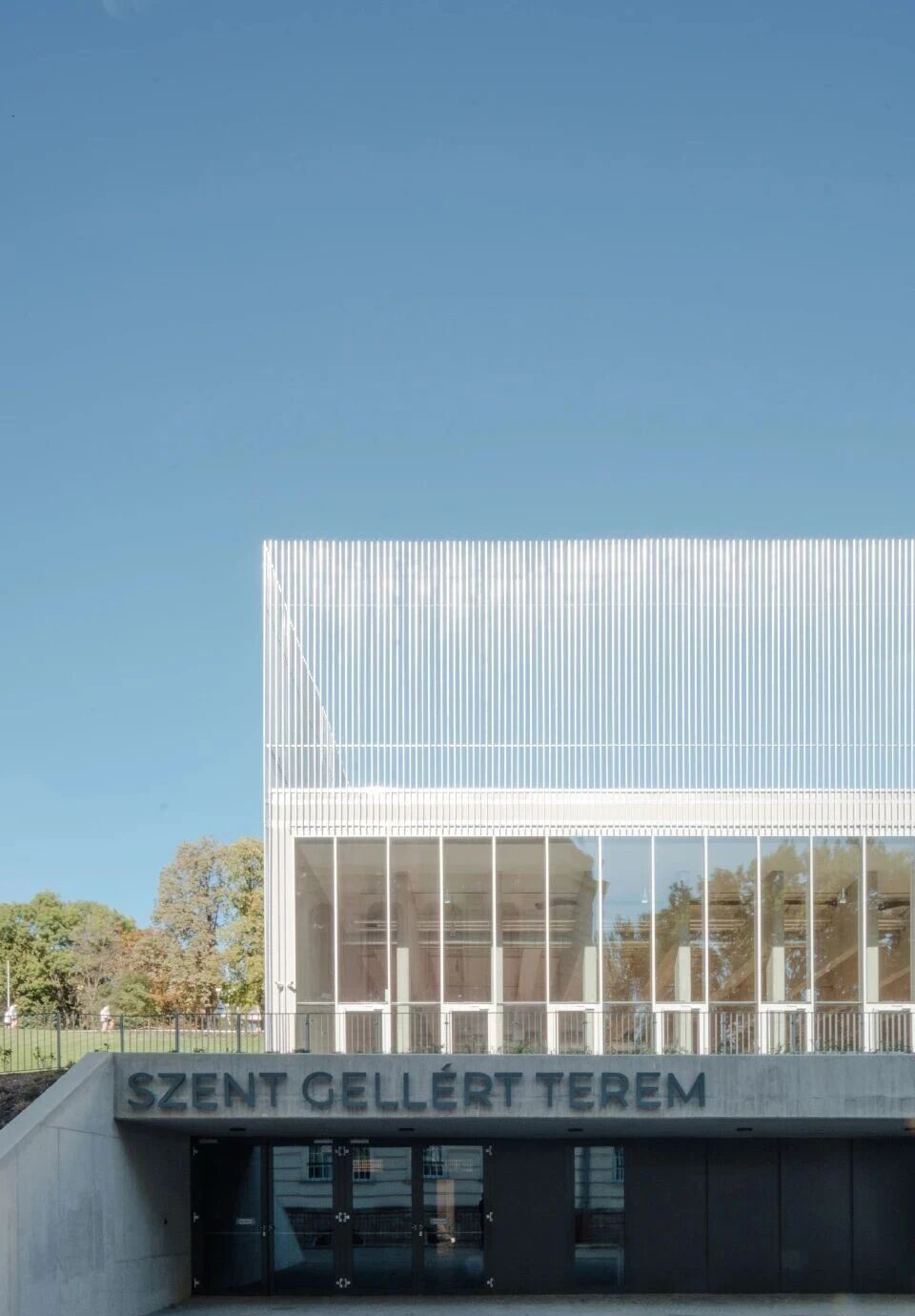
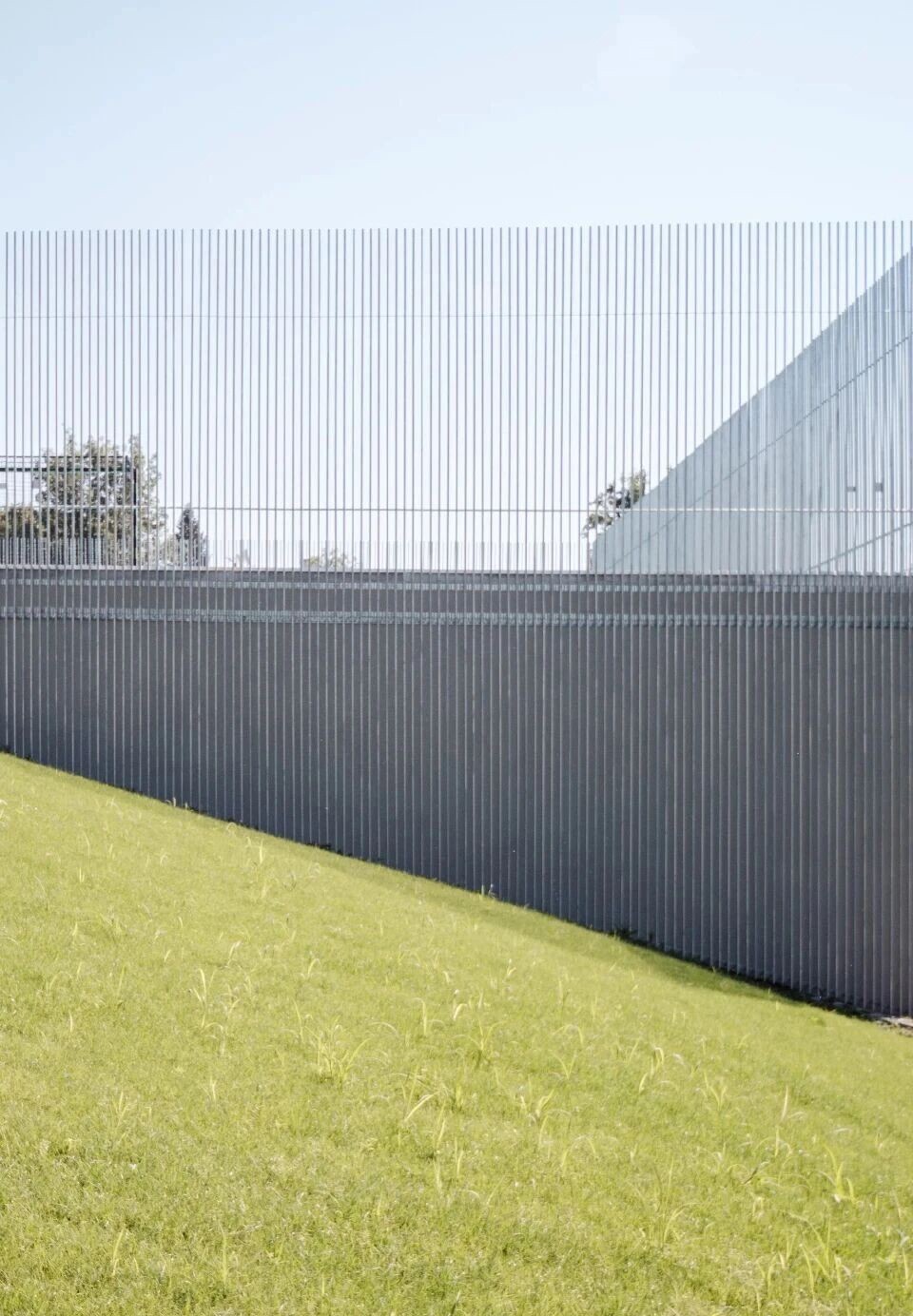
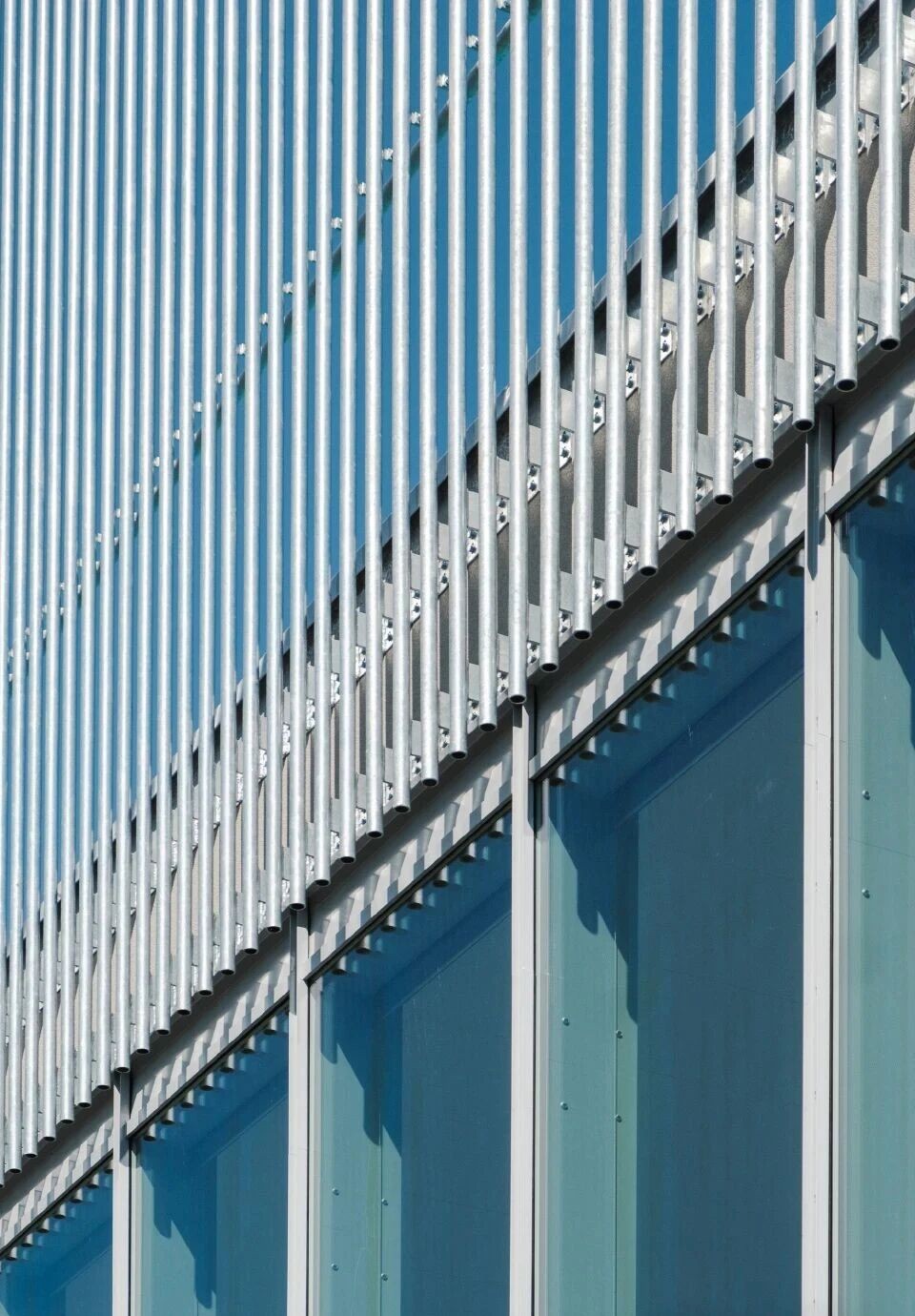
21.Treed It Parking Building, Saison Menu Architects Urbanistes, France
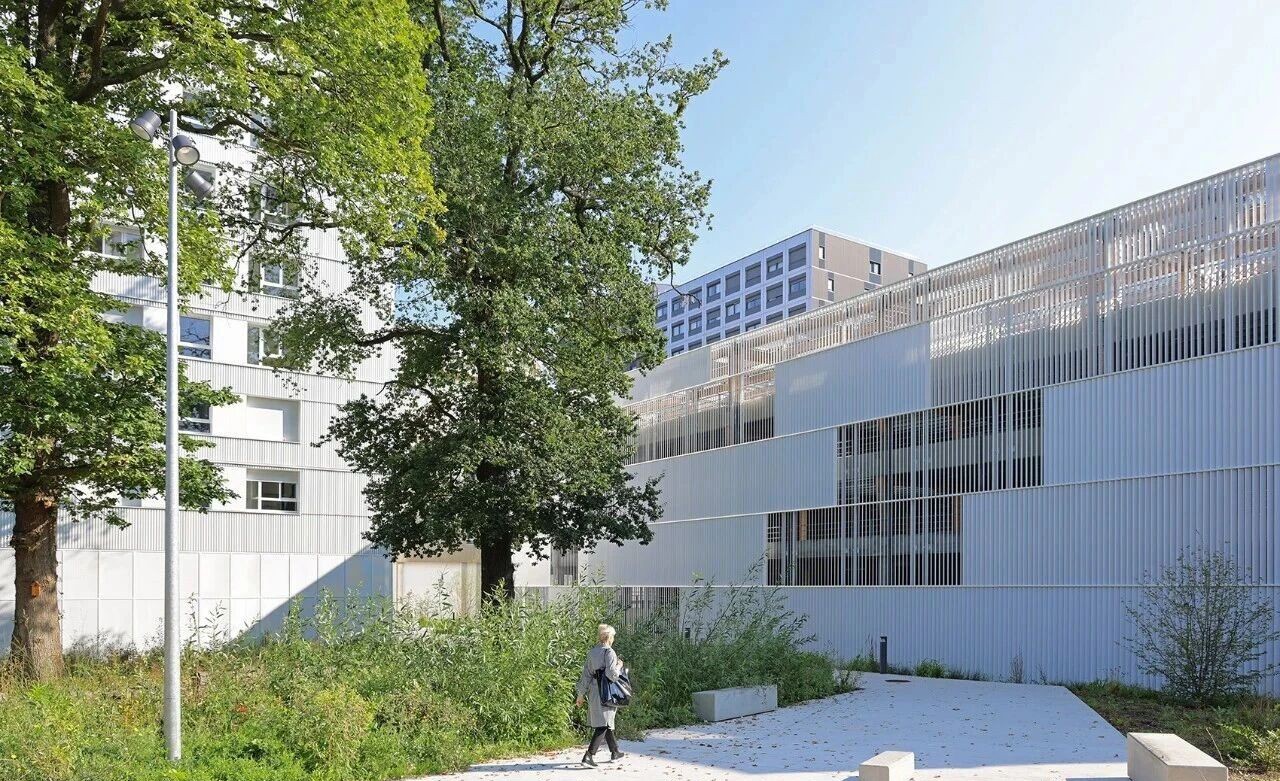
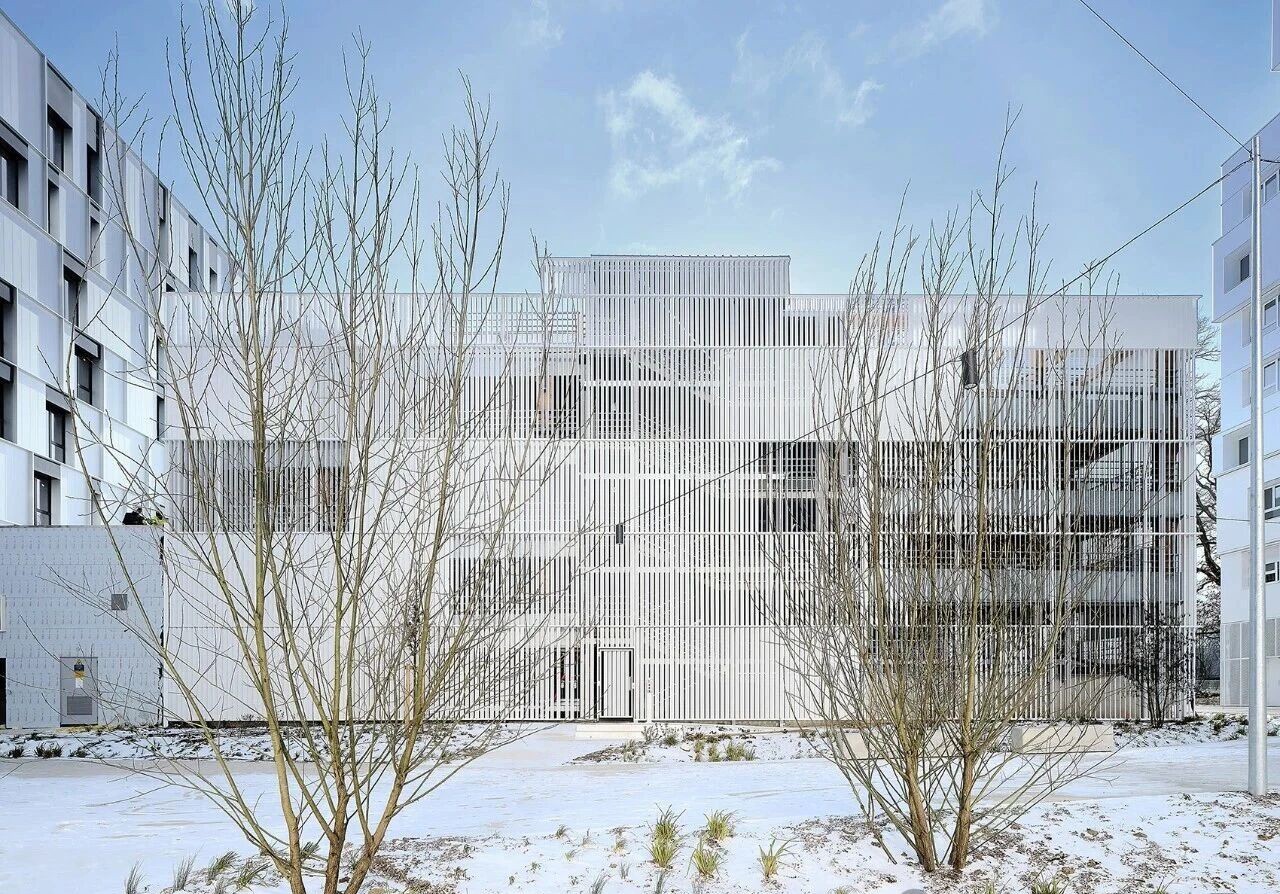
22.Zalacesany Health Center, Archikon Architects, Hungary
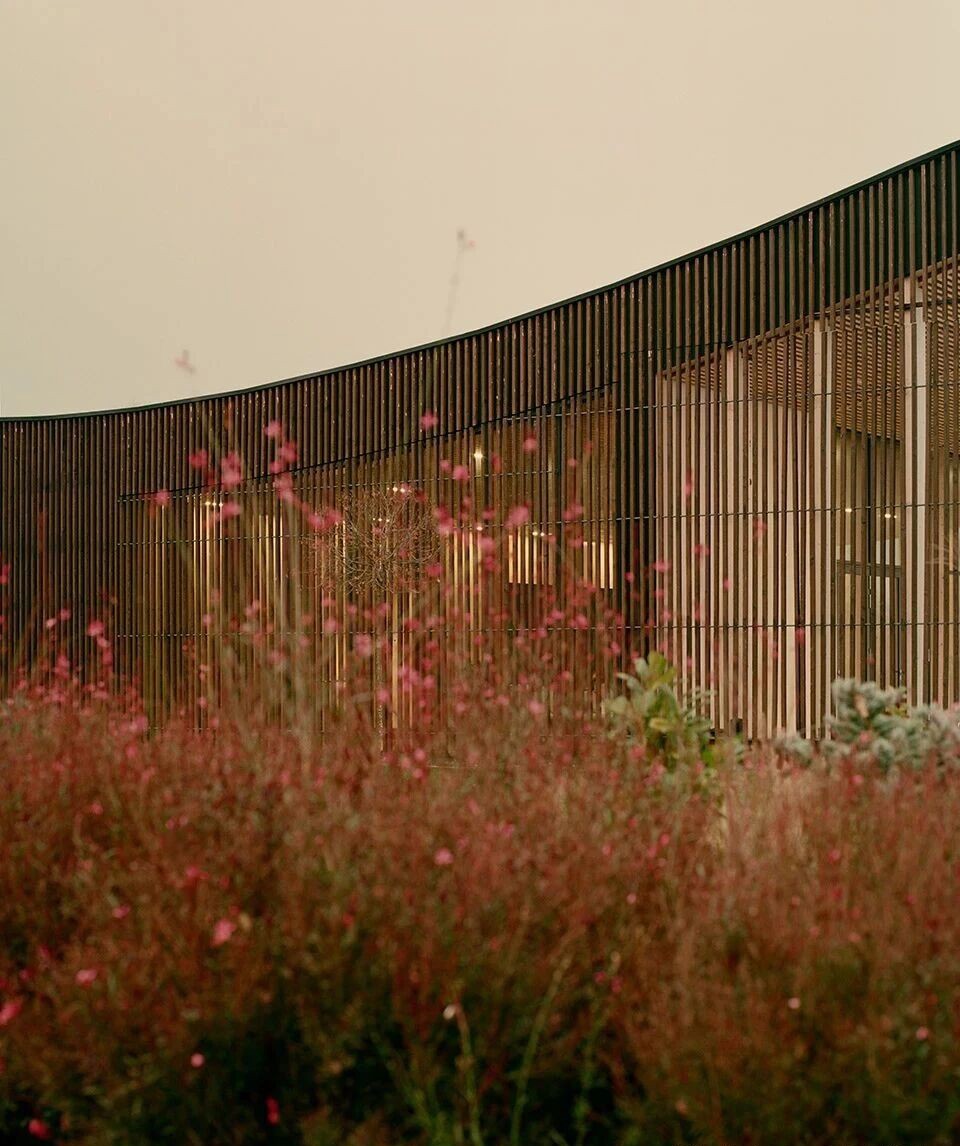
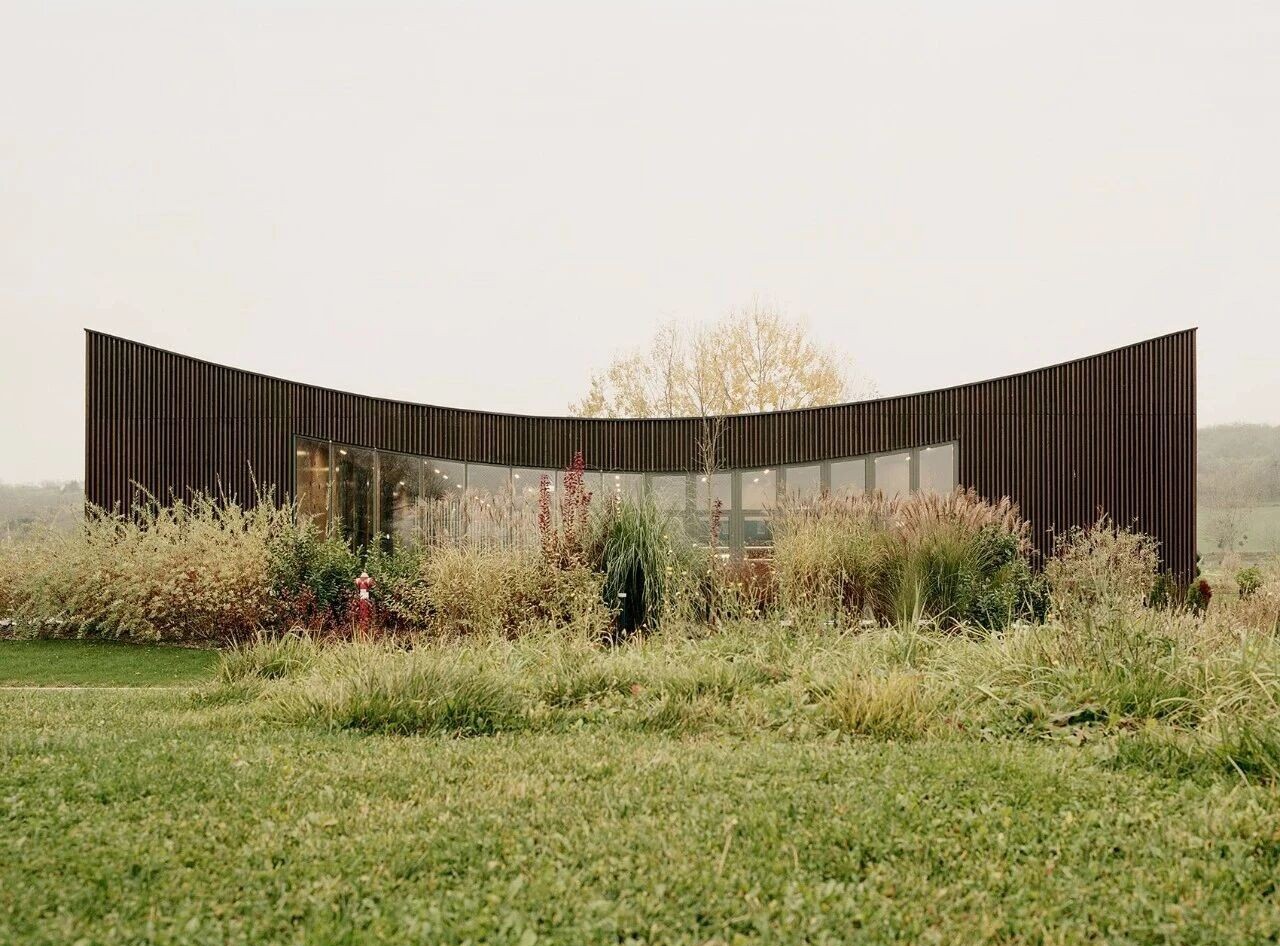
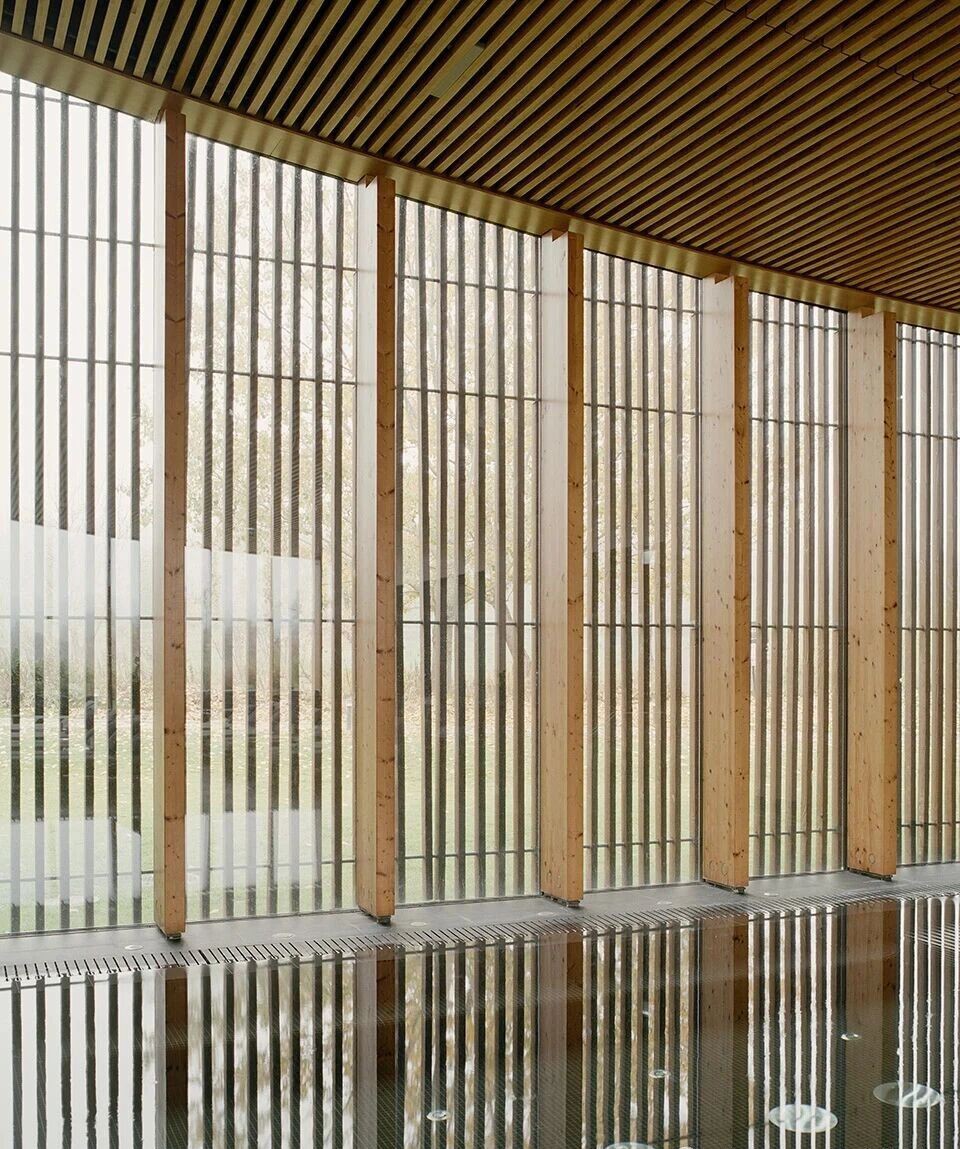
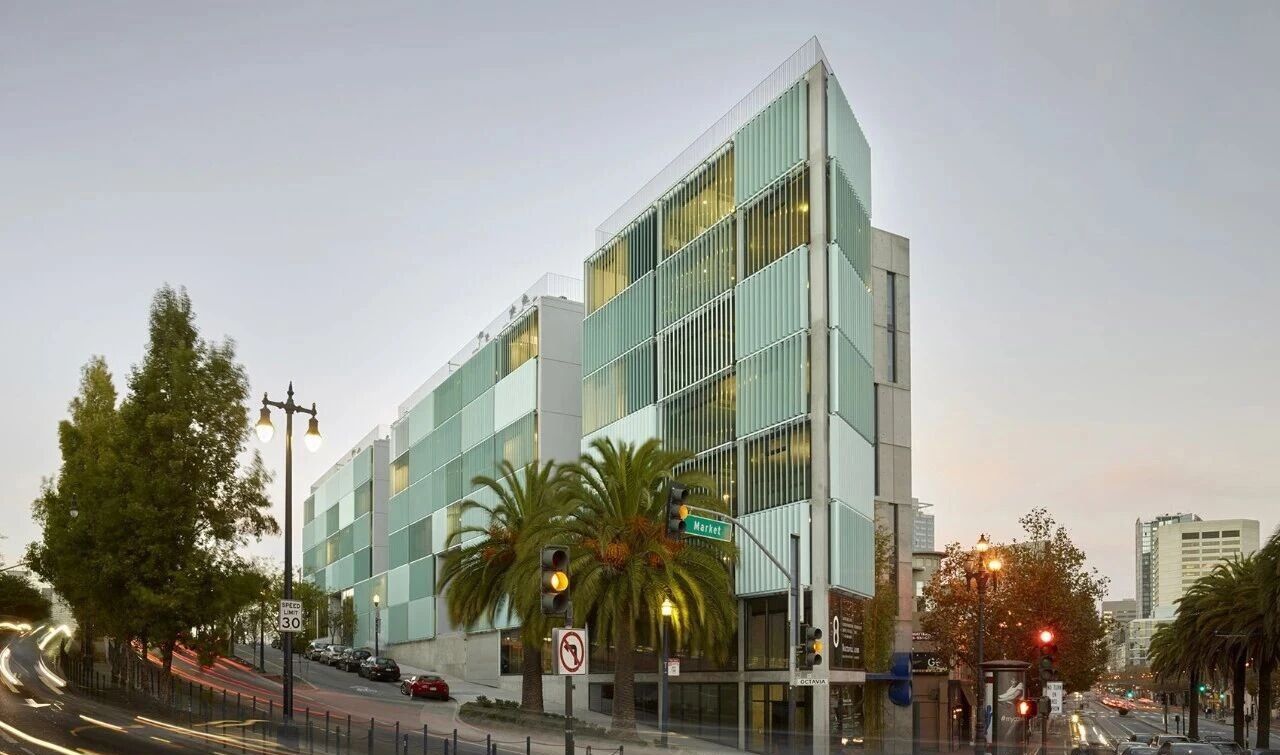
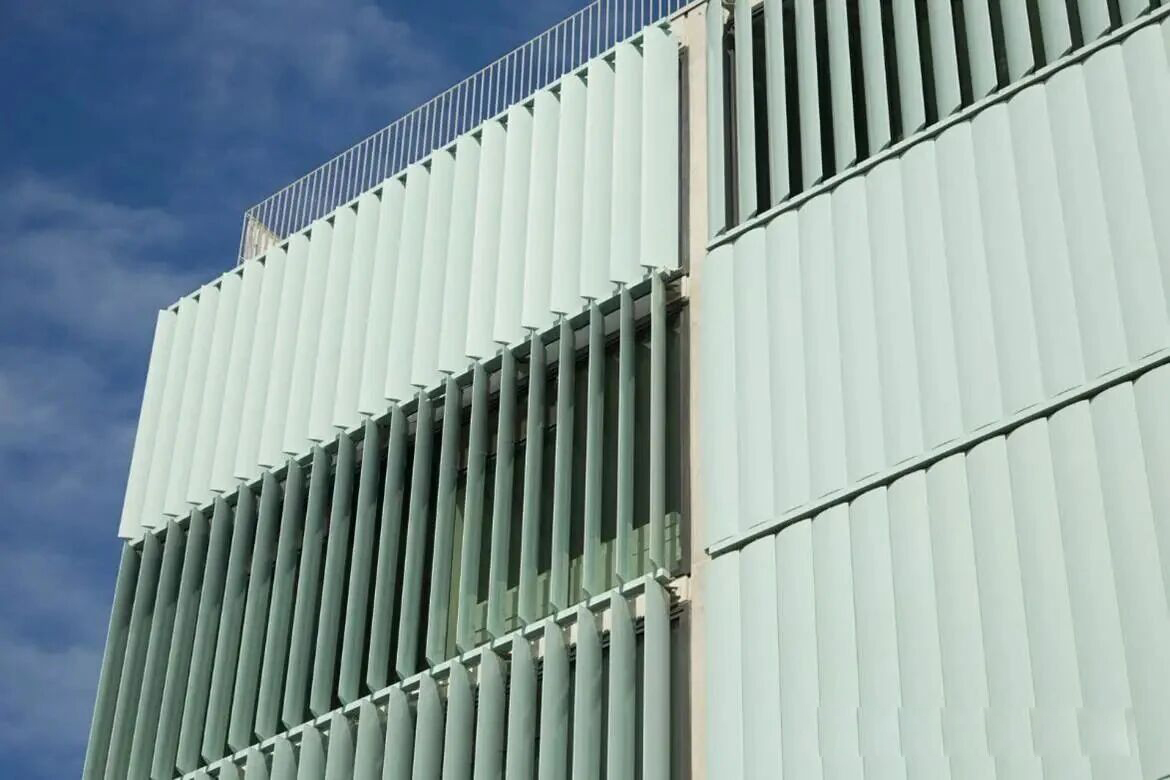
23.San Francisco 8 Octavia Apartment Stanley Saitowitz | Natoma Architects
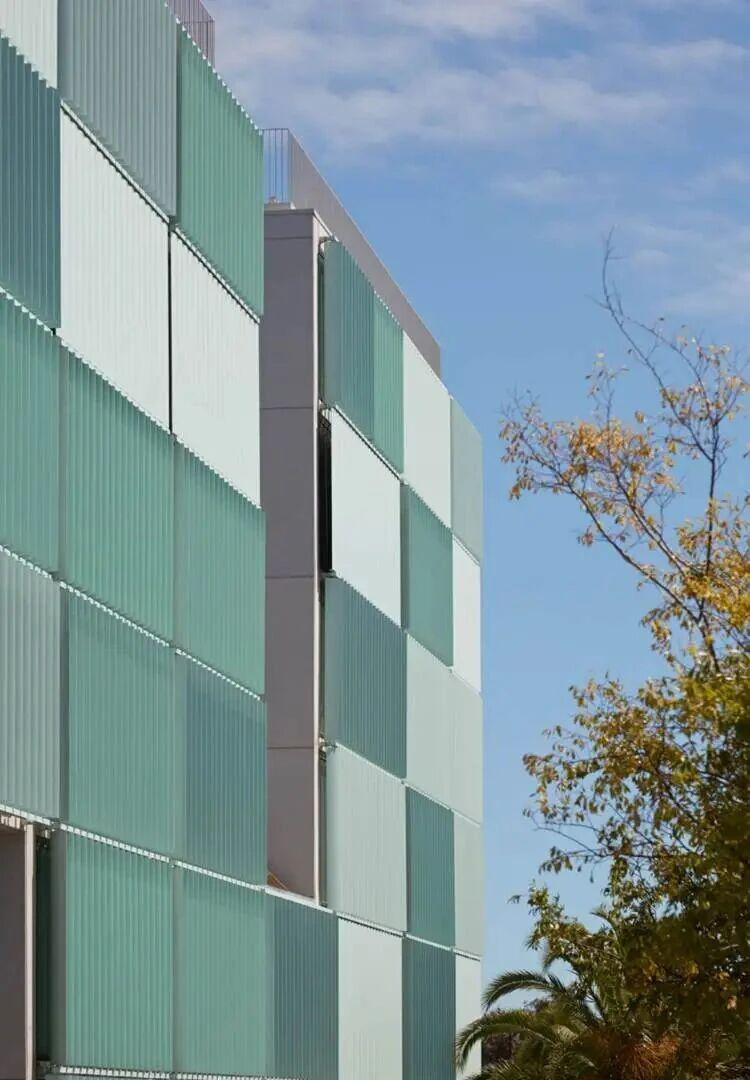
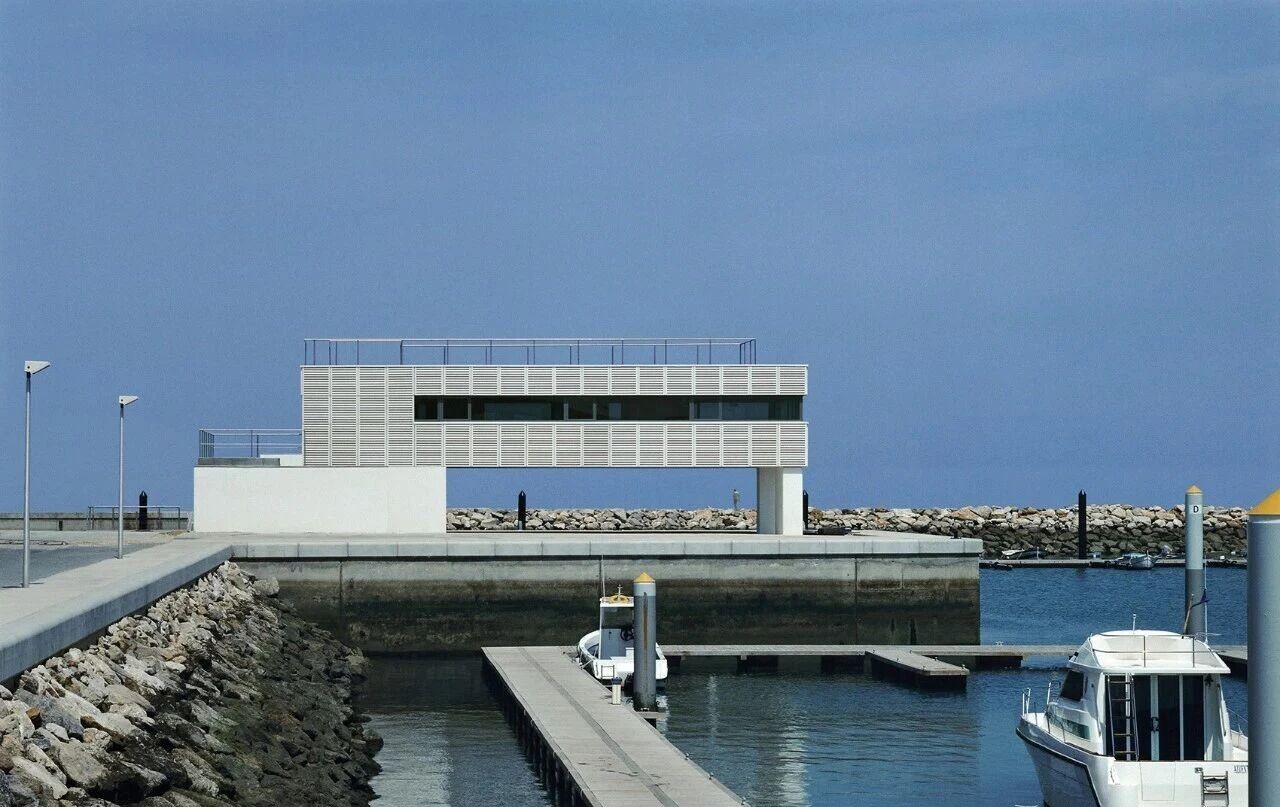
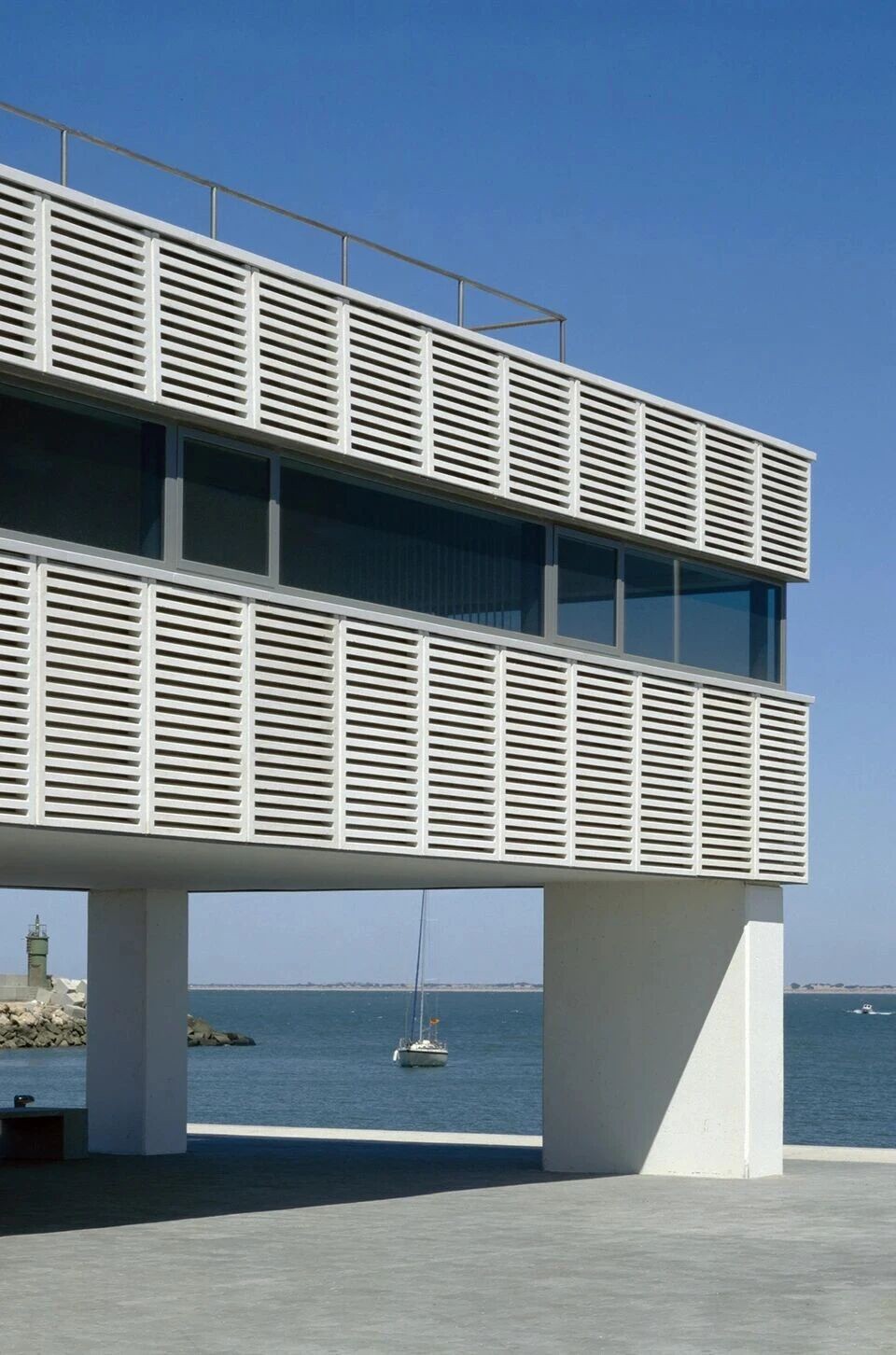
24.Chipoina Port Complex, Cruzy Ortiz Architects, Spain
25.New Zurich Art Museum, David Chipperfield Architects, Switzerland
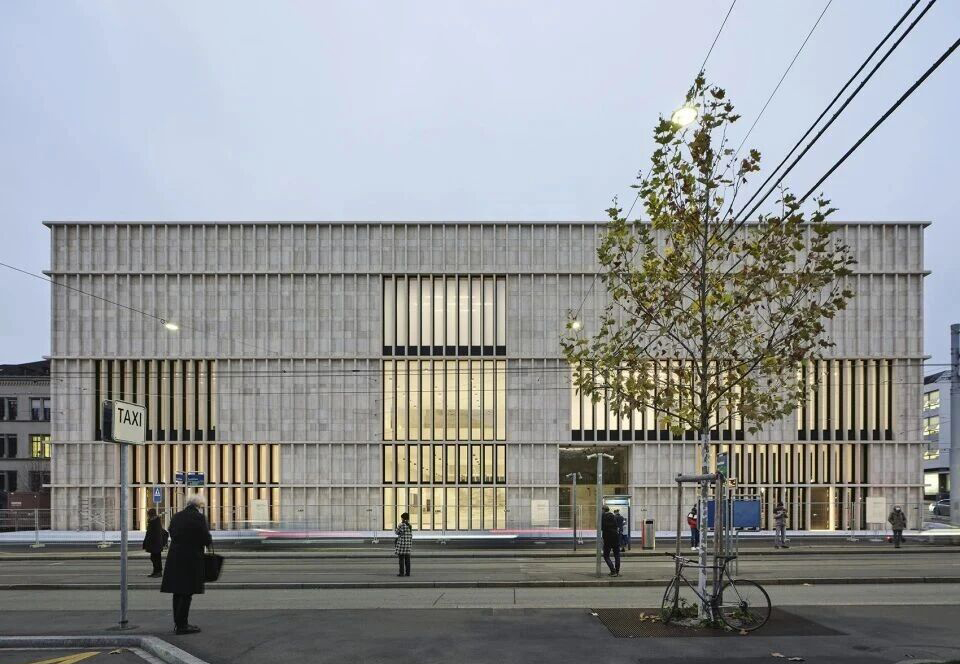
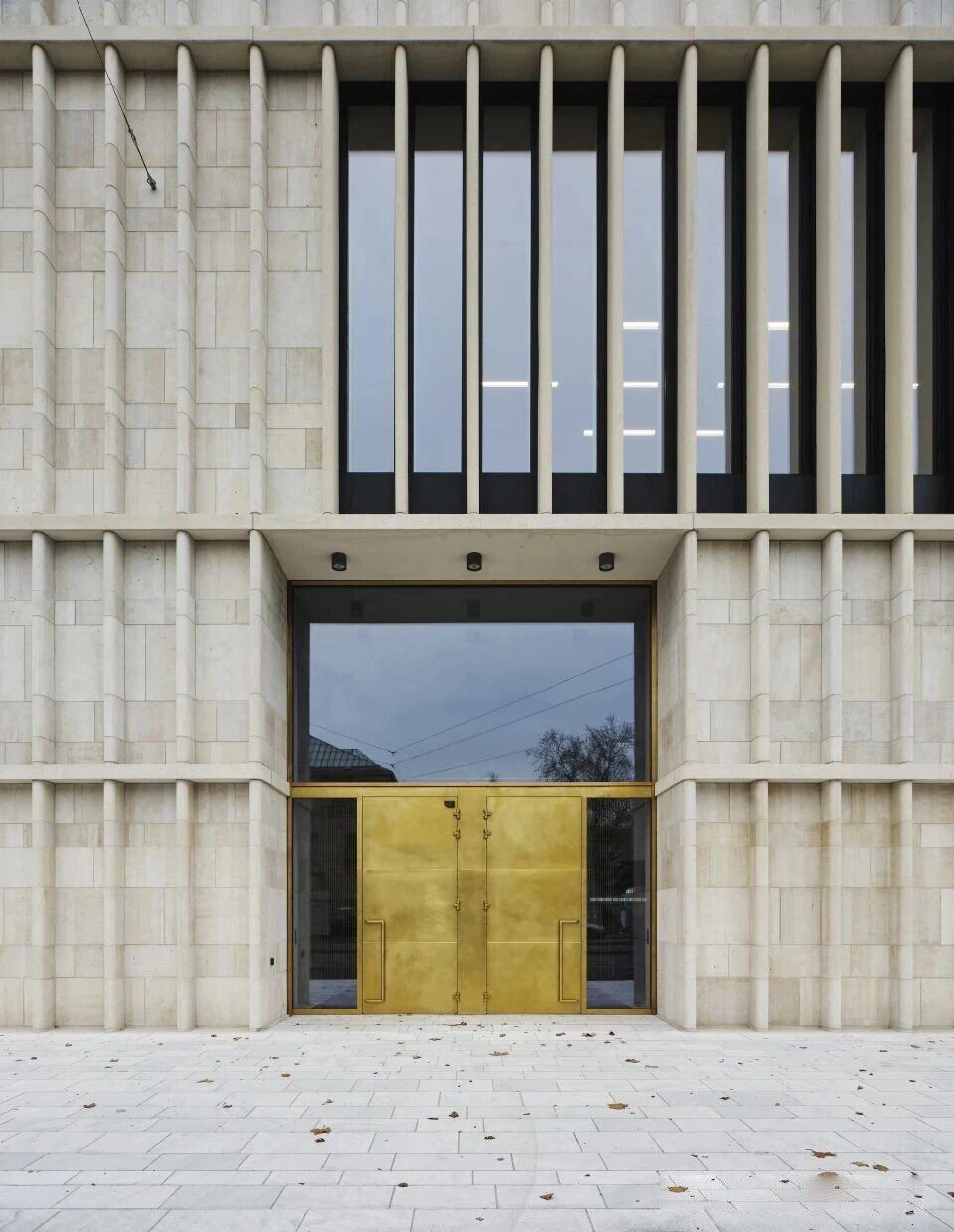
26.Joyful exterior design: MOC Xinchenghui Exhibition Center Shanghai Riqing Architectural Design+G-ART Jiai Design
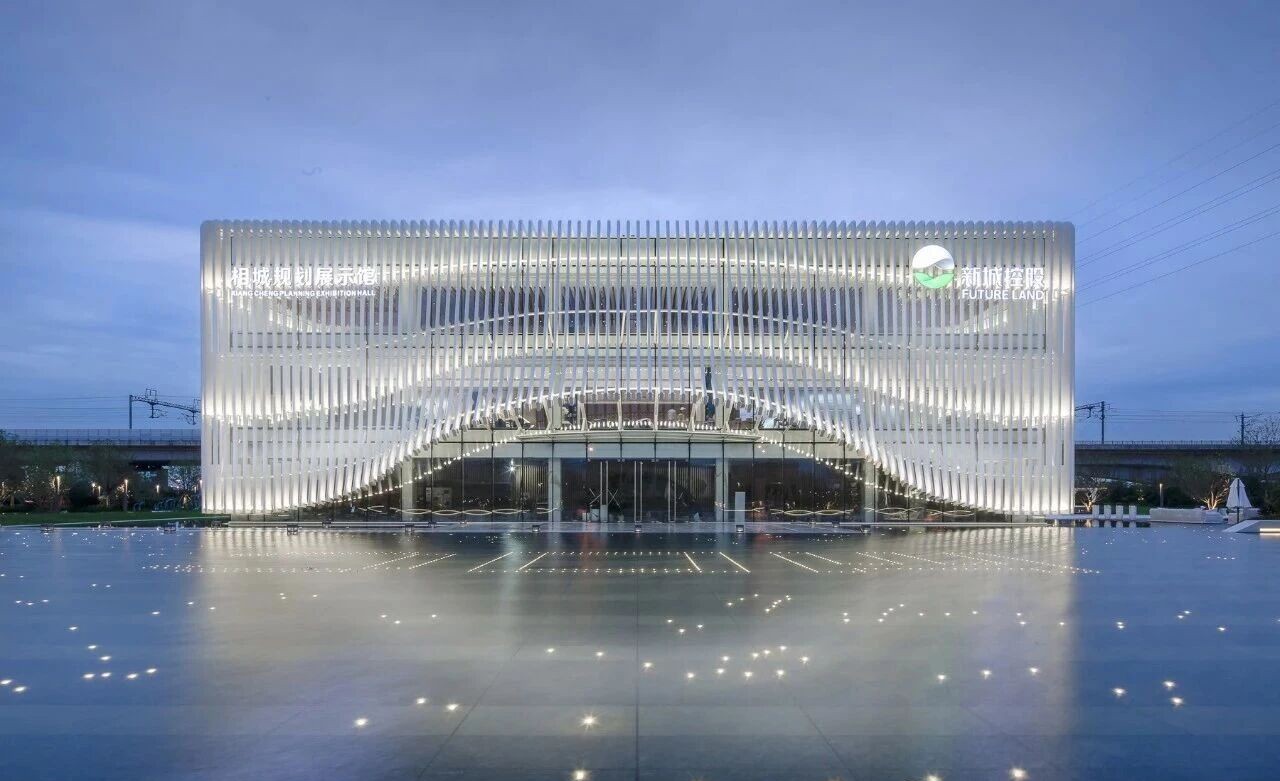
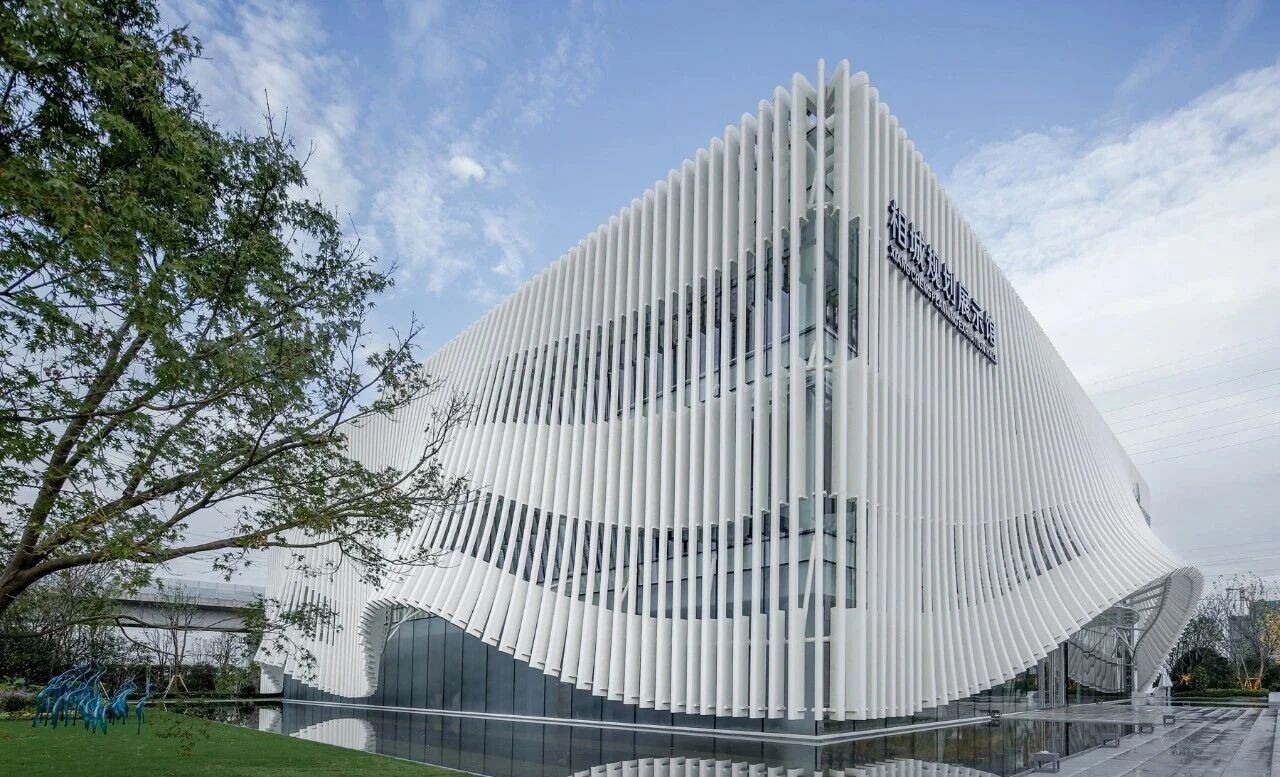
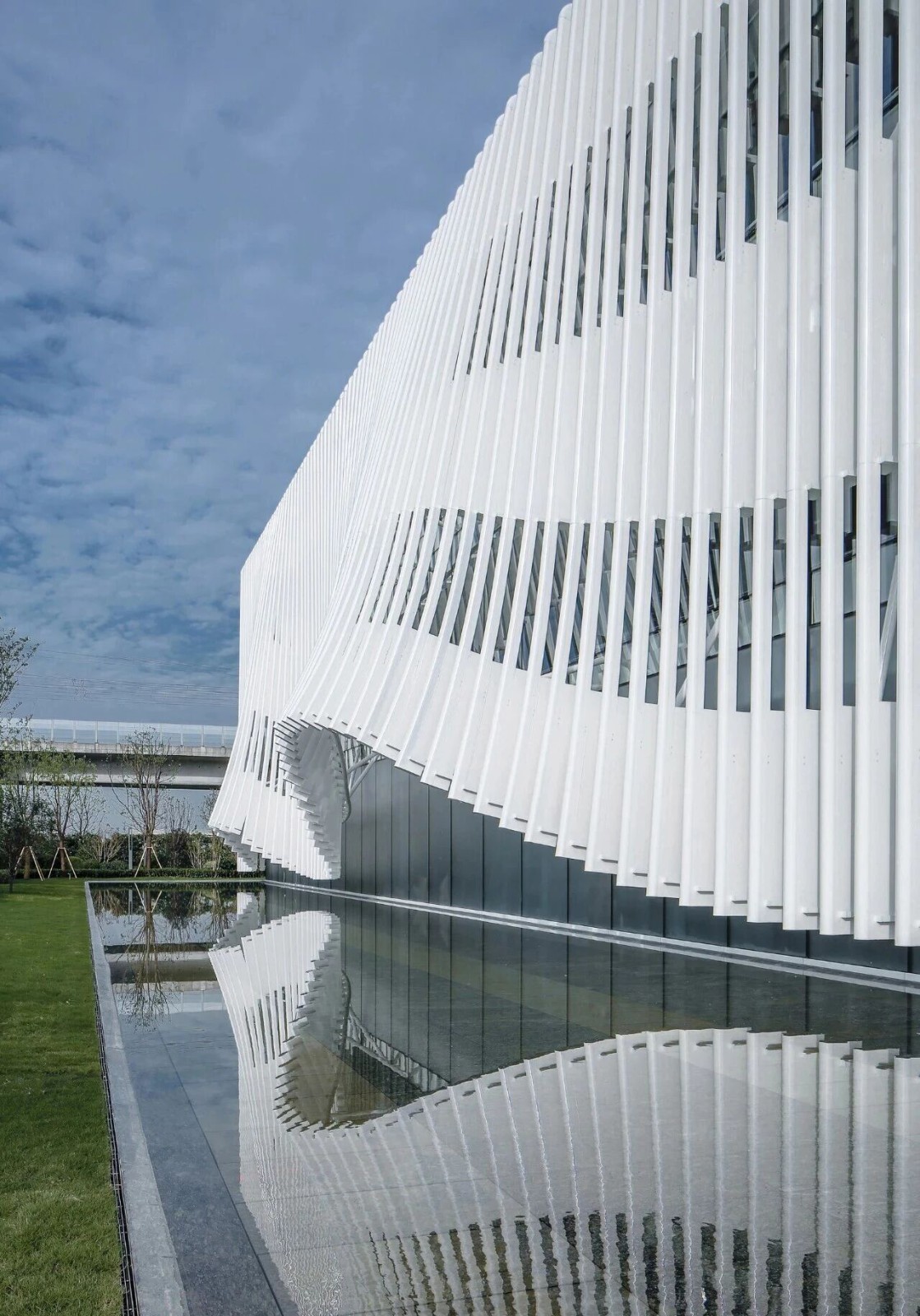
27.Yangjiang Comprehensive Cultural Center South China University of Technology Architectural Design and Research Institute Co., Ltd.+Yifang Design Group Co., Ltd
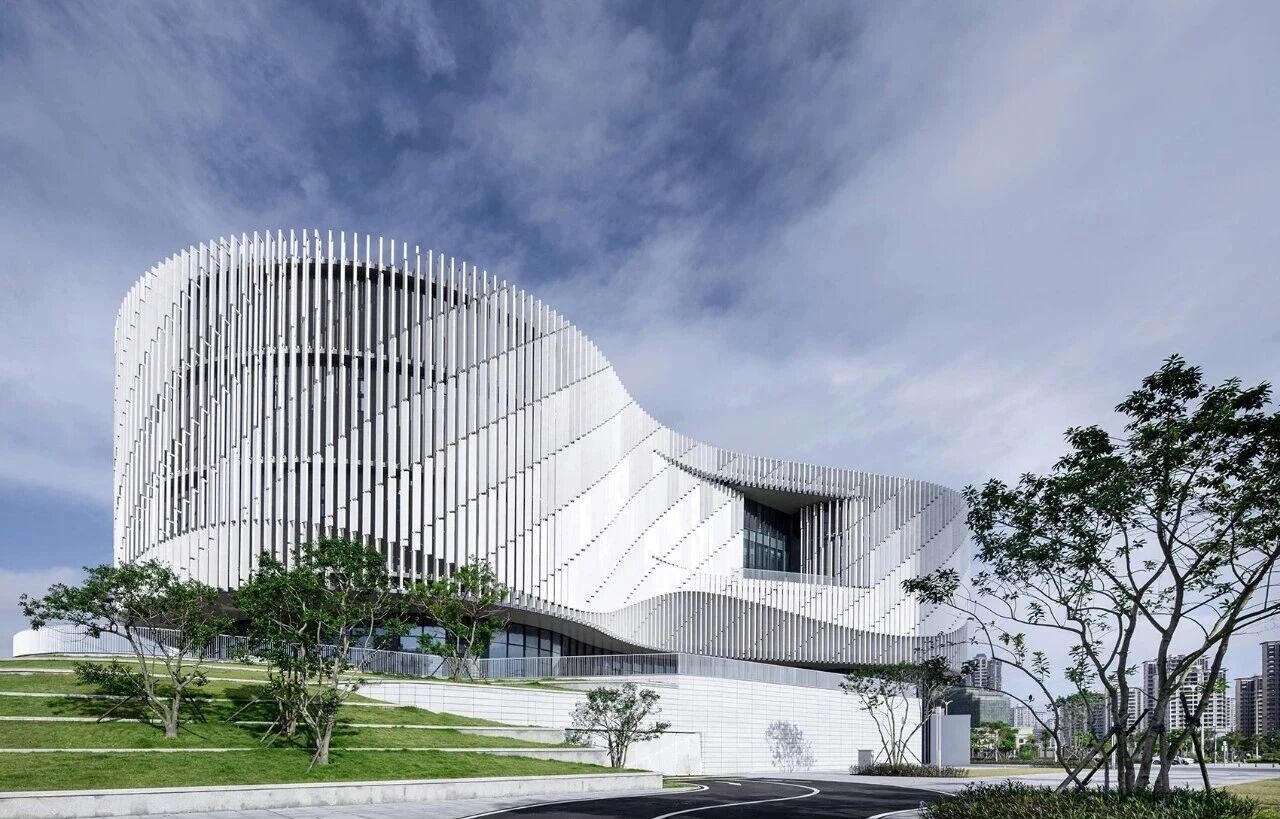
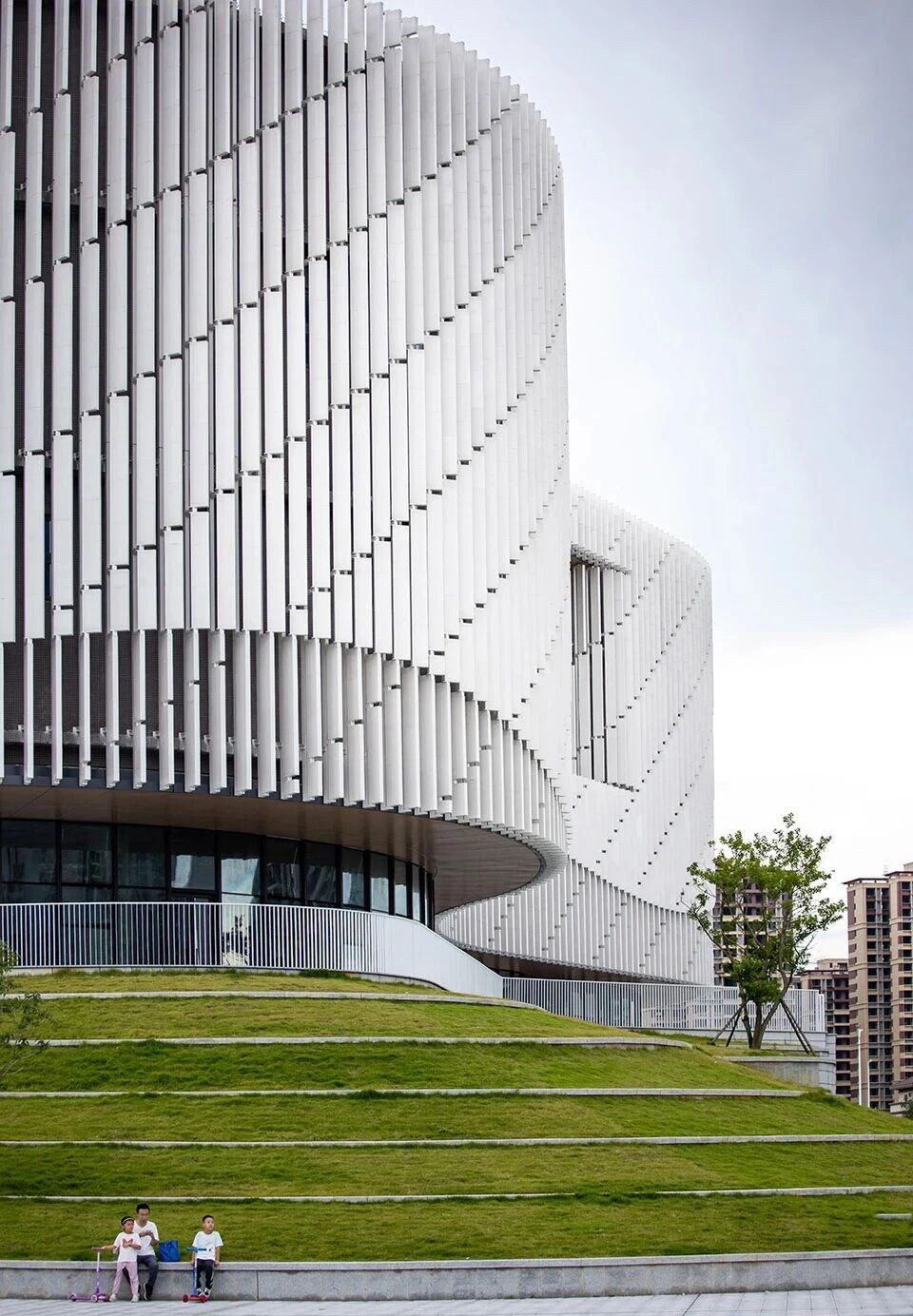
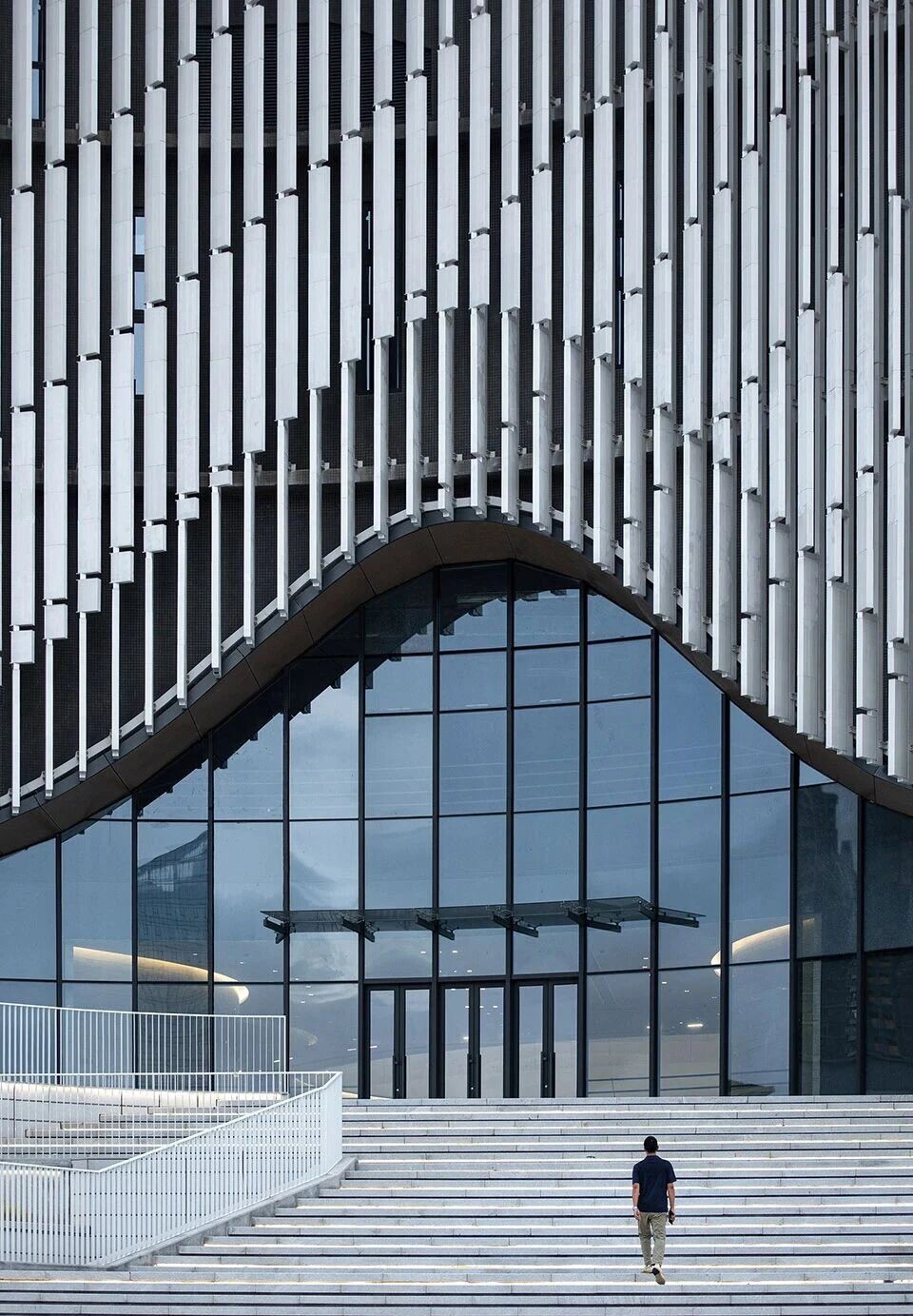
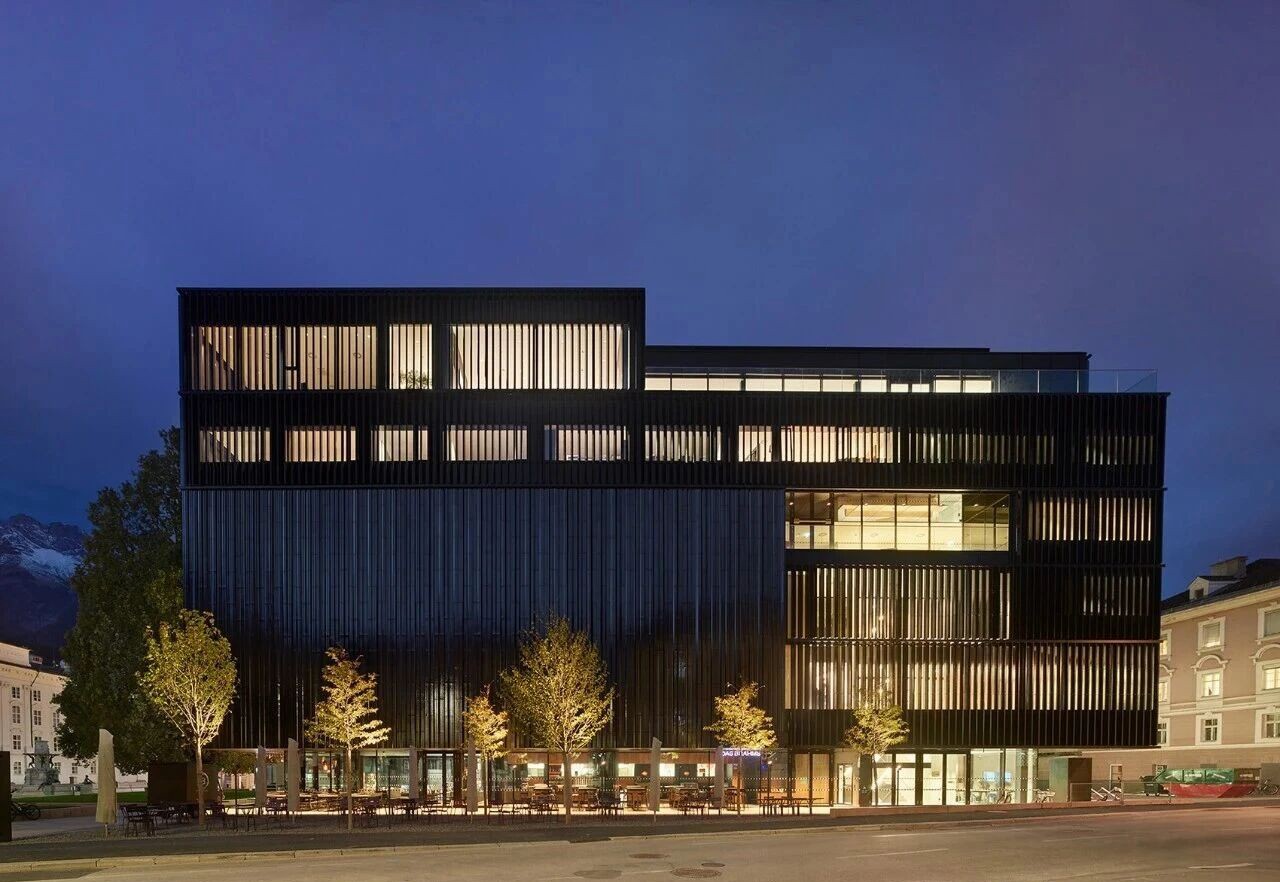
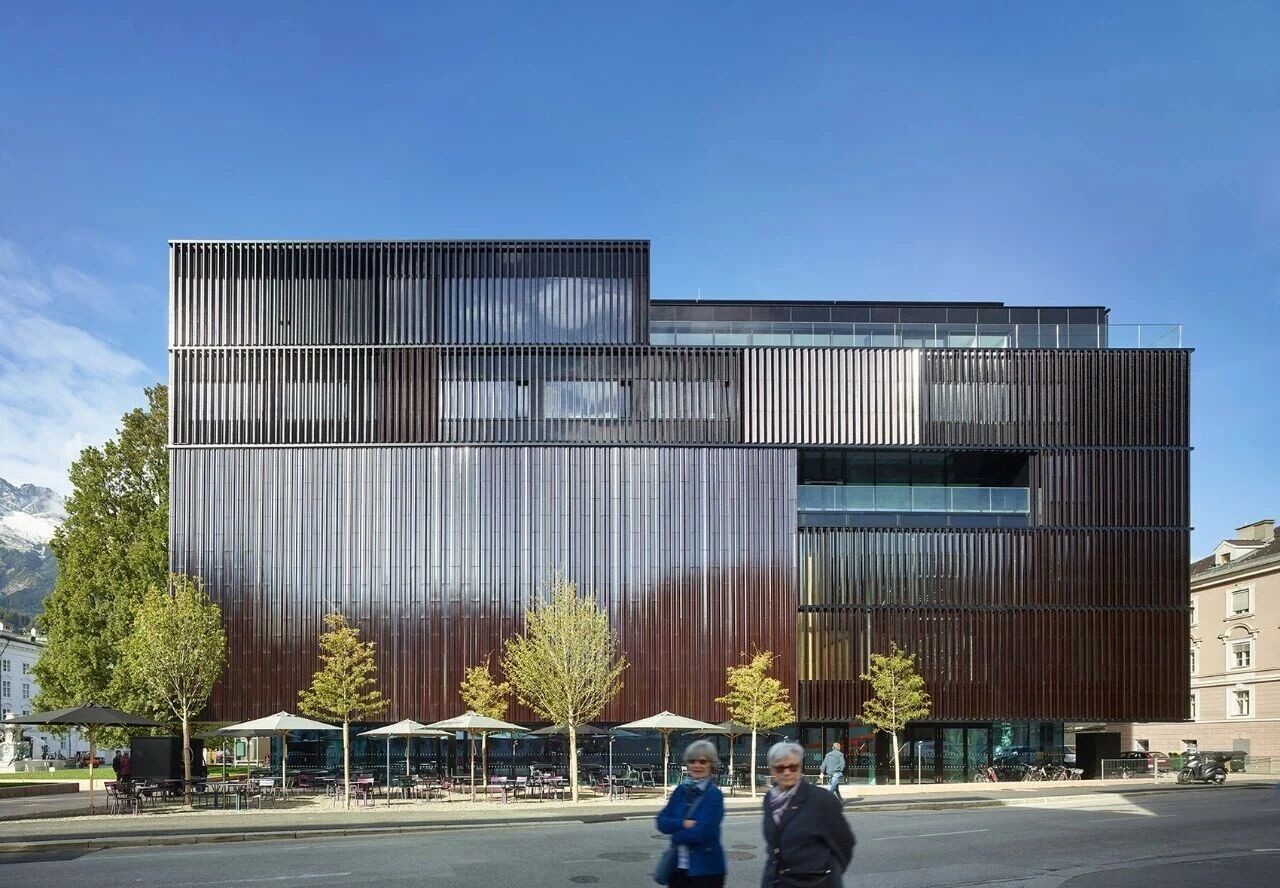
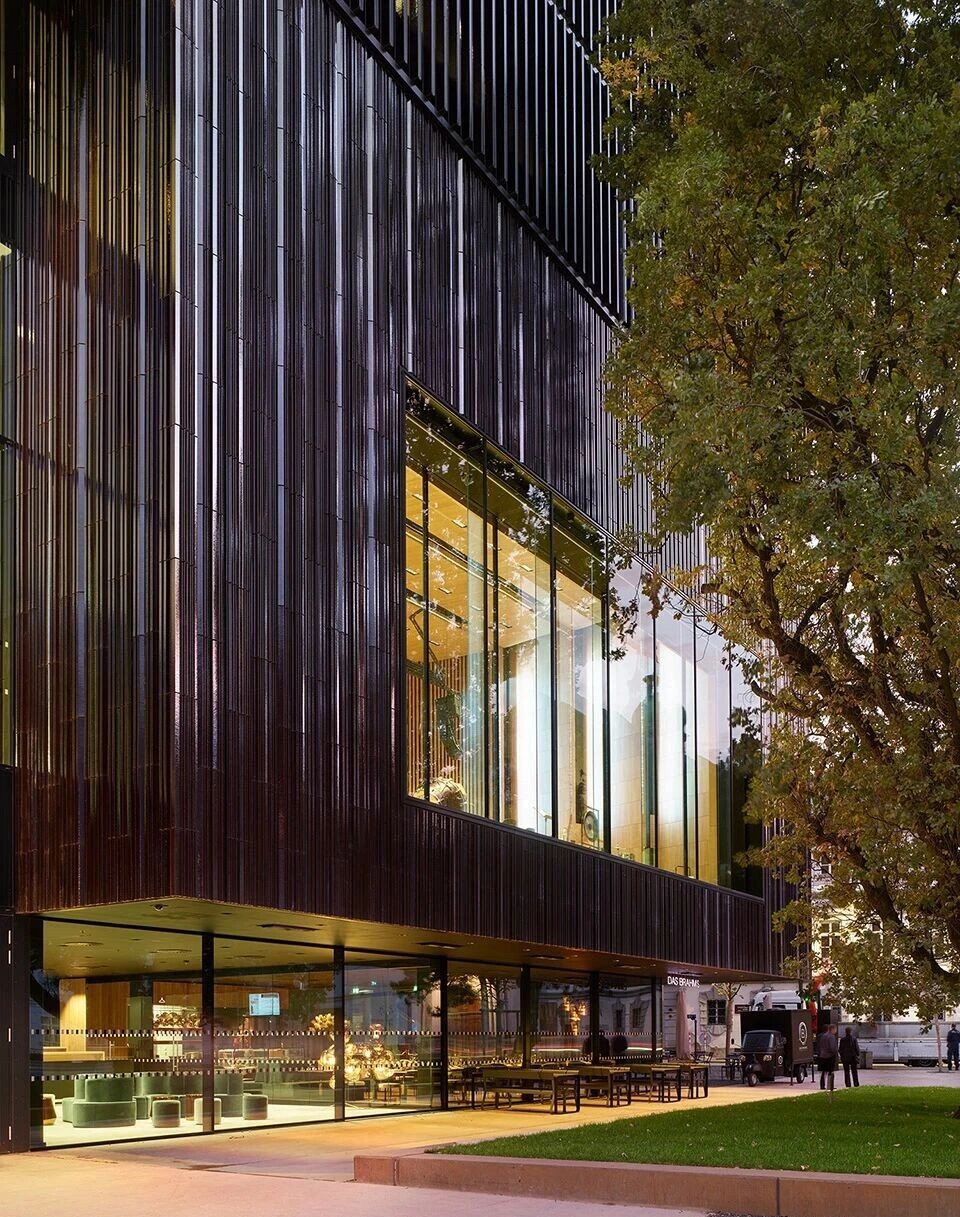
28.Music House, Dietrich Untertrifhaler Architekten, Austria

High quality products, high-quality services and high-quality

Focus on us
HANBERT
Tel: 0757-22682270
Phone: +86-135 314 008 83
E-mail: info@hanbert-tech.com
Address: 1612,4th,building,ZhiyePlaza,Daliang,Foshan,Guangdong P.R.of china
Copyright © 2021-2026 HANBERT All Rights Reserved. 粤ICP备2021118030号  Power by:
 Hanelink.com