
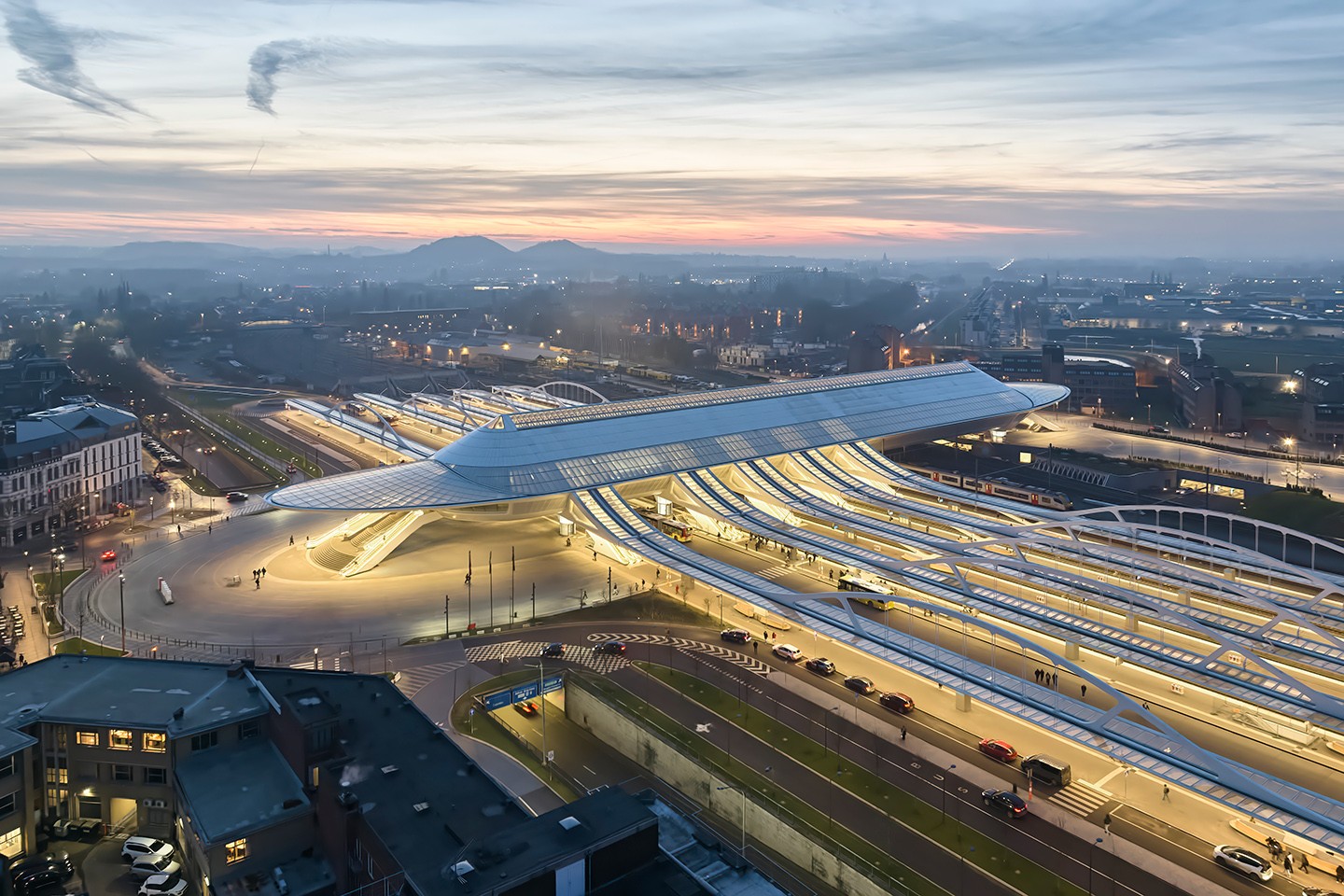
△Project Bird's-eye View©COliver Schuh, Palladium Photodesign
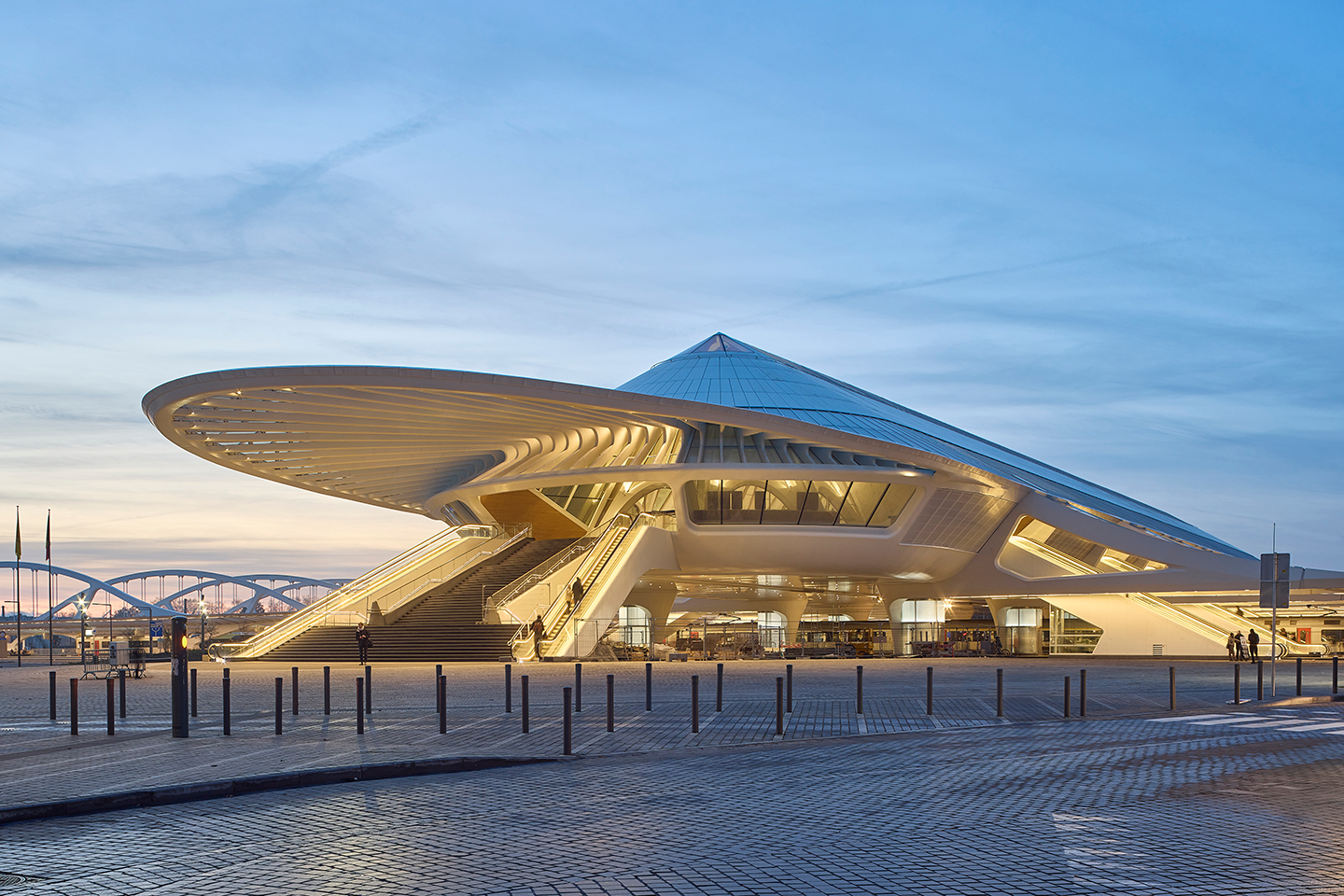
△Project appearance©COliver Schuh, Palladium Photodesign
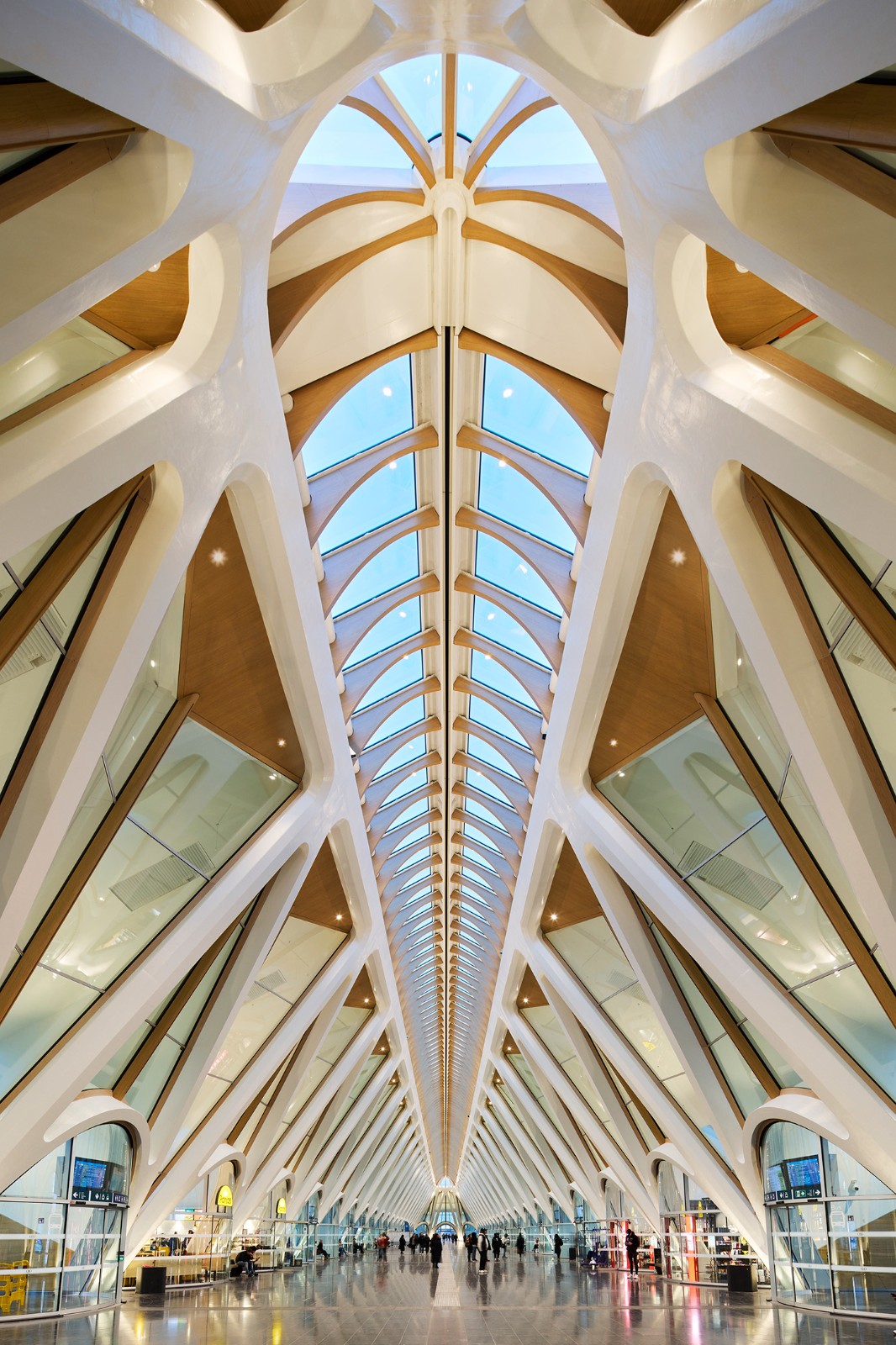
△Indoor project©COliver Schuh, Palladium Photodesign
Designed by Santiago Calatrava LLC
Project location: Mons, Belgium
Built in 2025
Building area 37850 square meters
——————————————————————————————————————————
Santiago Calatrava announced the official completion and opening of the Mons multimodal transportation railway station in Belgium.
“We are honored to open this station in the city of Mons, which is both the cultural capital of the Walloon Region and the European Capital of Culture in 2015.”
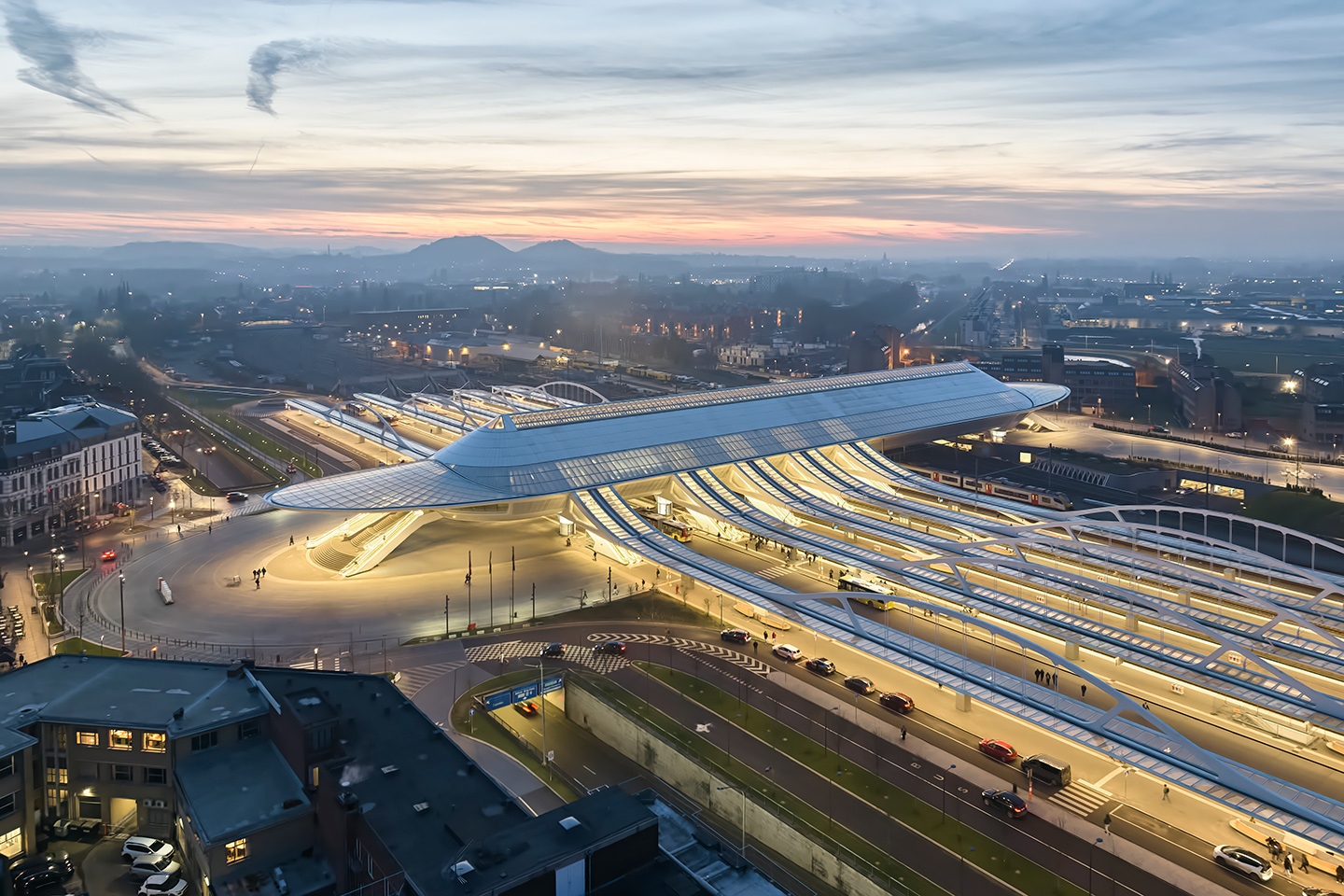
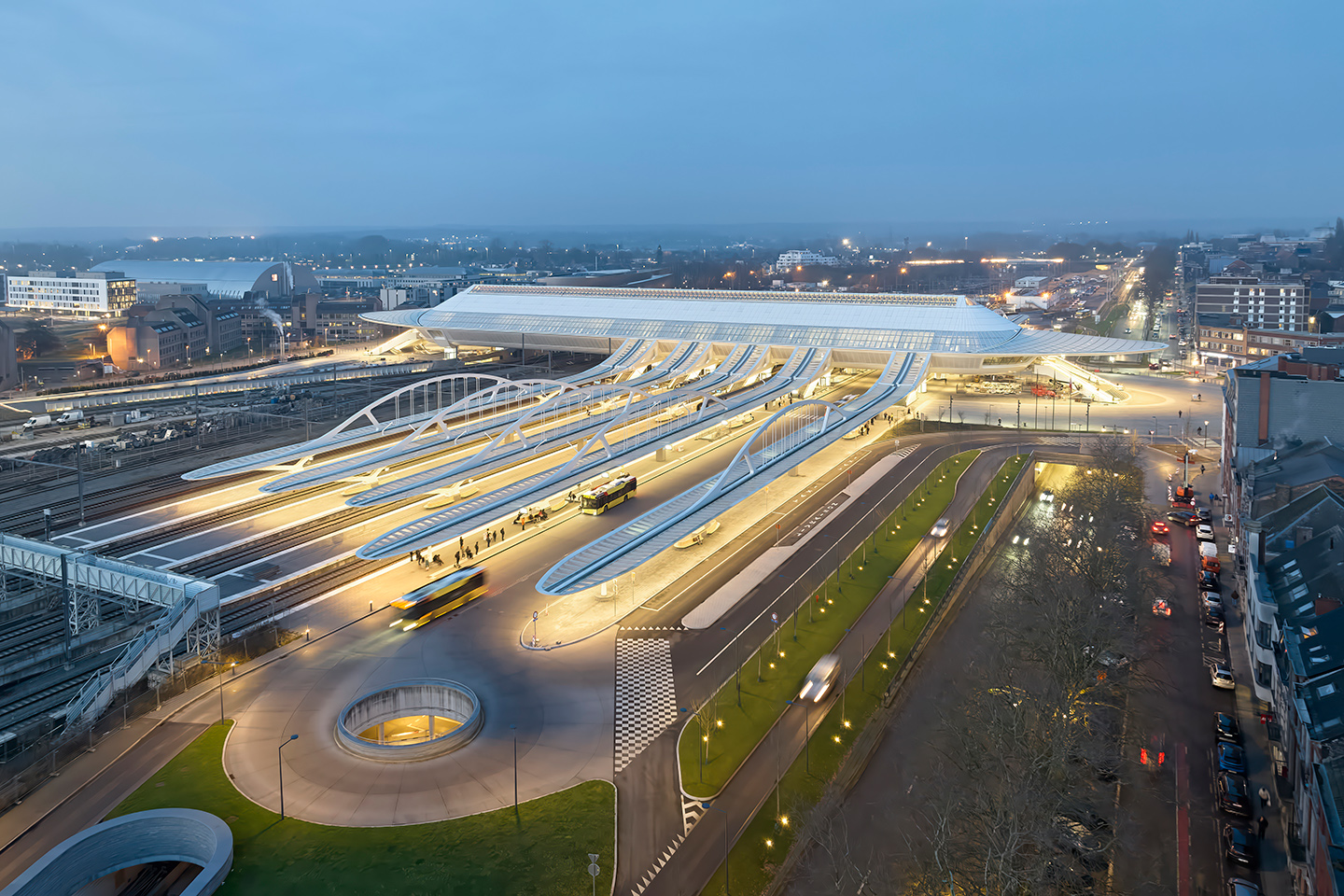
△Project Bird's-eye View©COliver Schuh, Palladium Photodesign
Mons Railway Station
This project goes beyond the challenge of building a new railway station itself. It was conceived as a commemorative bridge spanning the railway tracks, triggering a profound transformation in the surrounding area. The "Ga1lery" in the station serves as a connecting body, linking the historical core on the south side of the city with the emerging Grand Pres area on the north side. Underground car and bicycle parking facilities have been set up on both sides of the station, and integrated with the open city square to jointly enhance the quality of urban space.
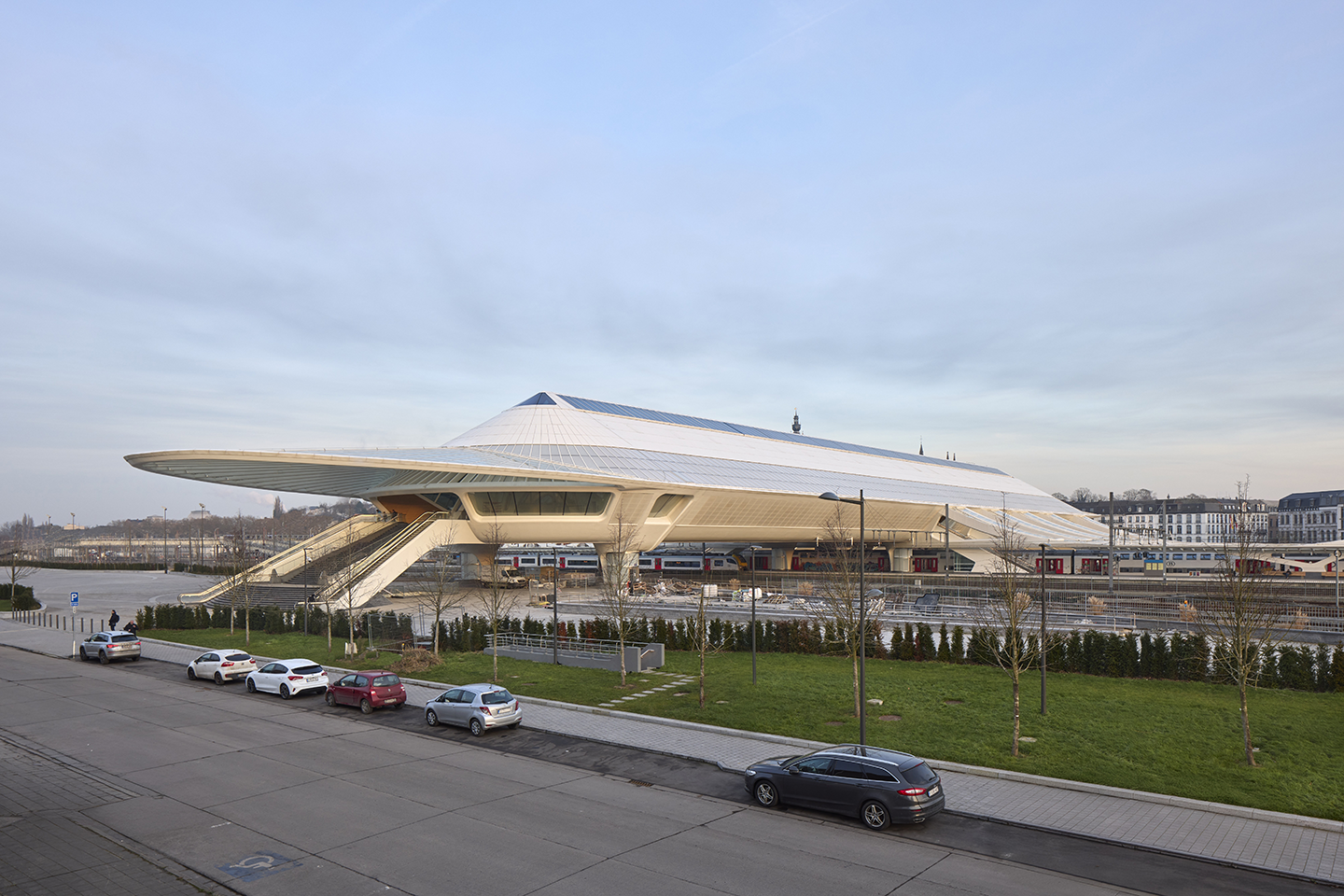 △North side perspective©COliver Schuh, Palladium Photodesign
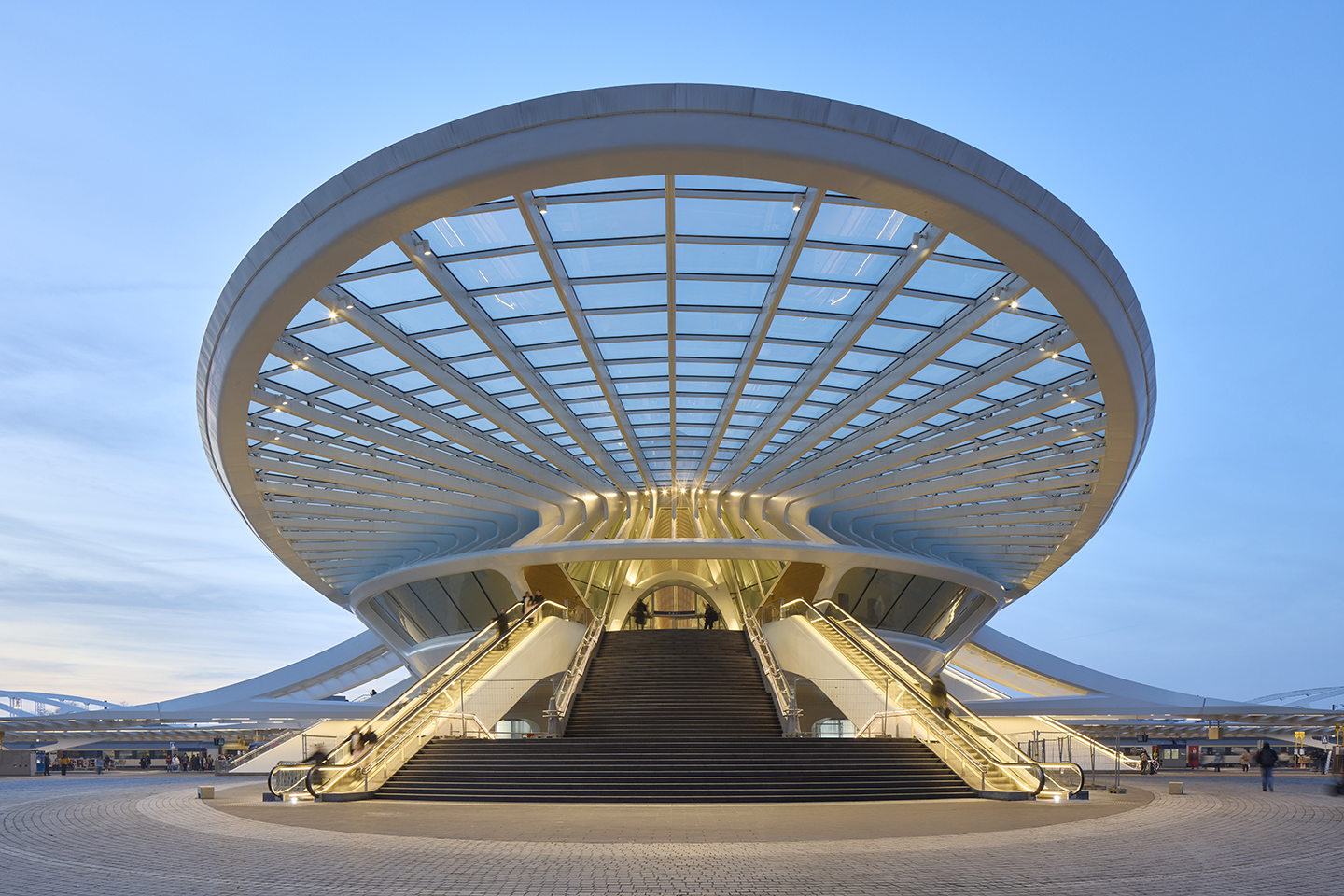
△Project appearance©COliver Schuh, Palladium Photodesign

△Longitudinal section and front elevation design sketch©COliver Schuh, Palladium Photodesign
Station
Mons train station is located on the Paris Brussels international route and is one of the largest train stations in Belgium. It is also an important hub for local and regional public transportation systems.
The station has a platform of 350 meters, 7 passenger tracks, 29 bus stops, as well as taxi stops and "stop and go" areas, all of which are covered by roofs.
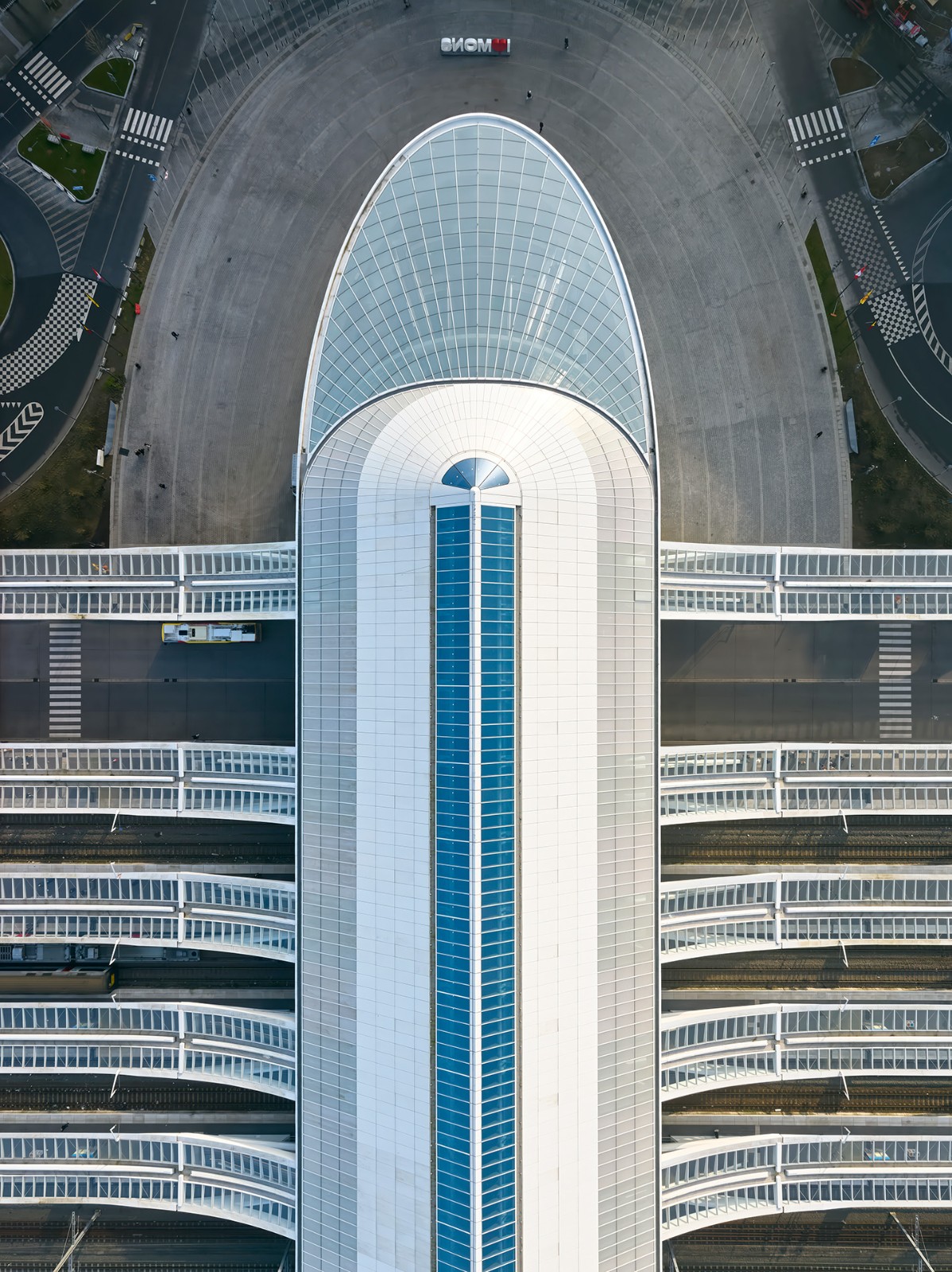
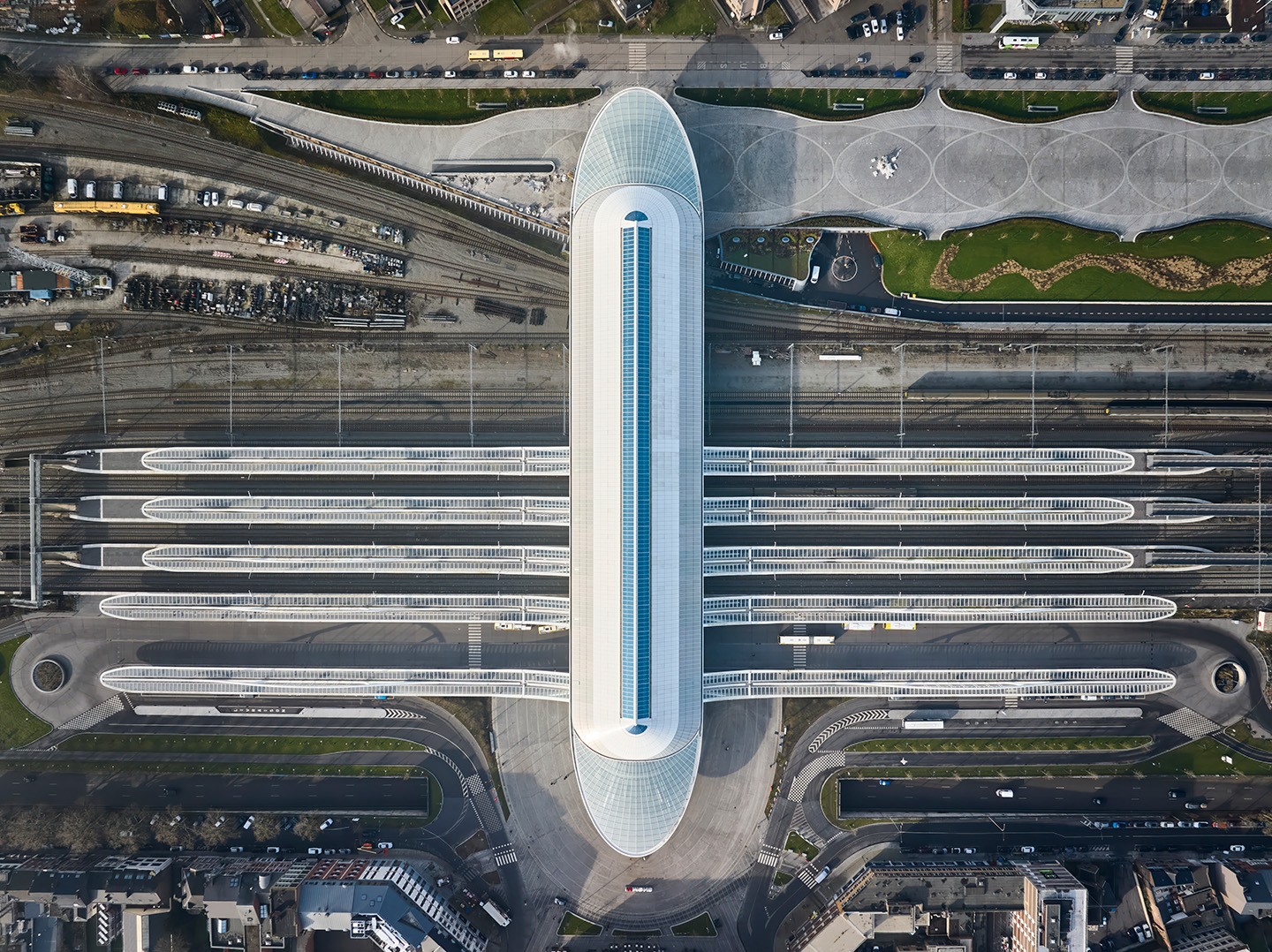
△Project Bird's-eye View©COliver Schuh, Palladium Photodesign
The corridor running through the station is 165 meters long and 15 meters high, undoubtedly the core of the entire project. Its design presents a rhythmic sequence of inclined triangular steel trusses, combined with a curved glass facade supported by a wooden frame, complemented by a Belgian blue limestone floor, creating a warm and attractive spatial atmosphere.
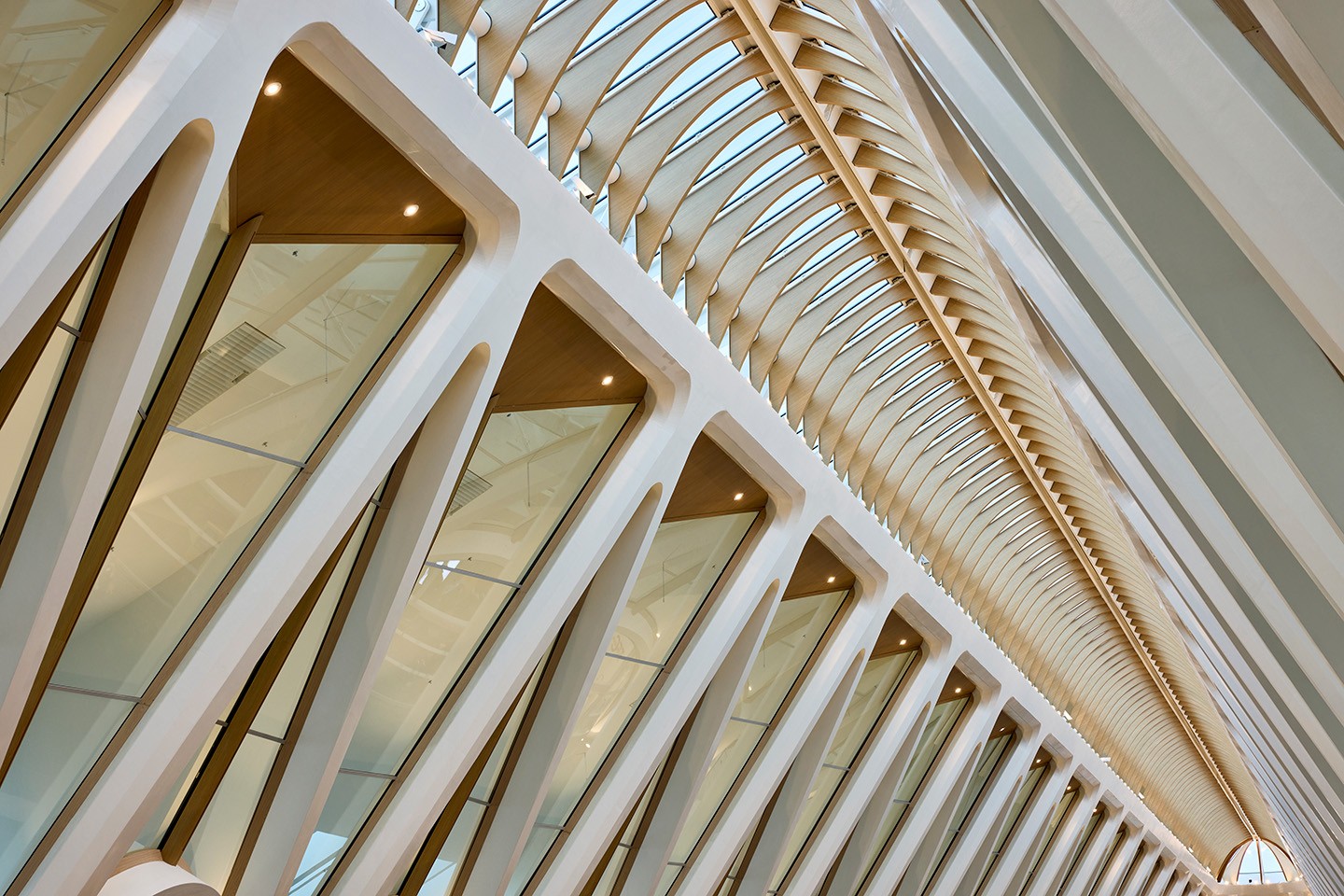
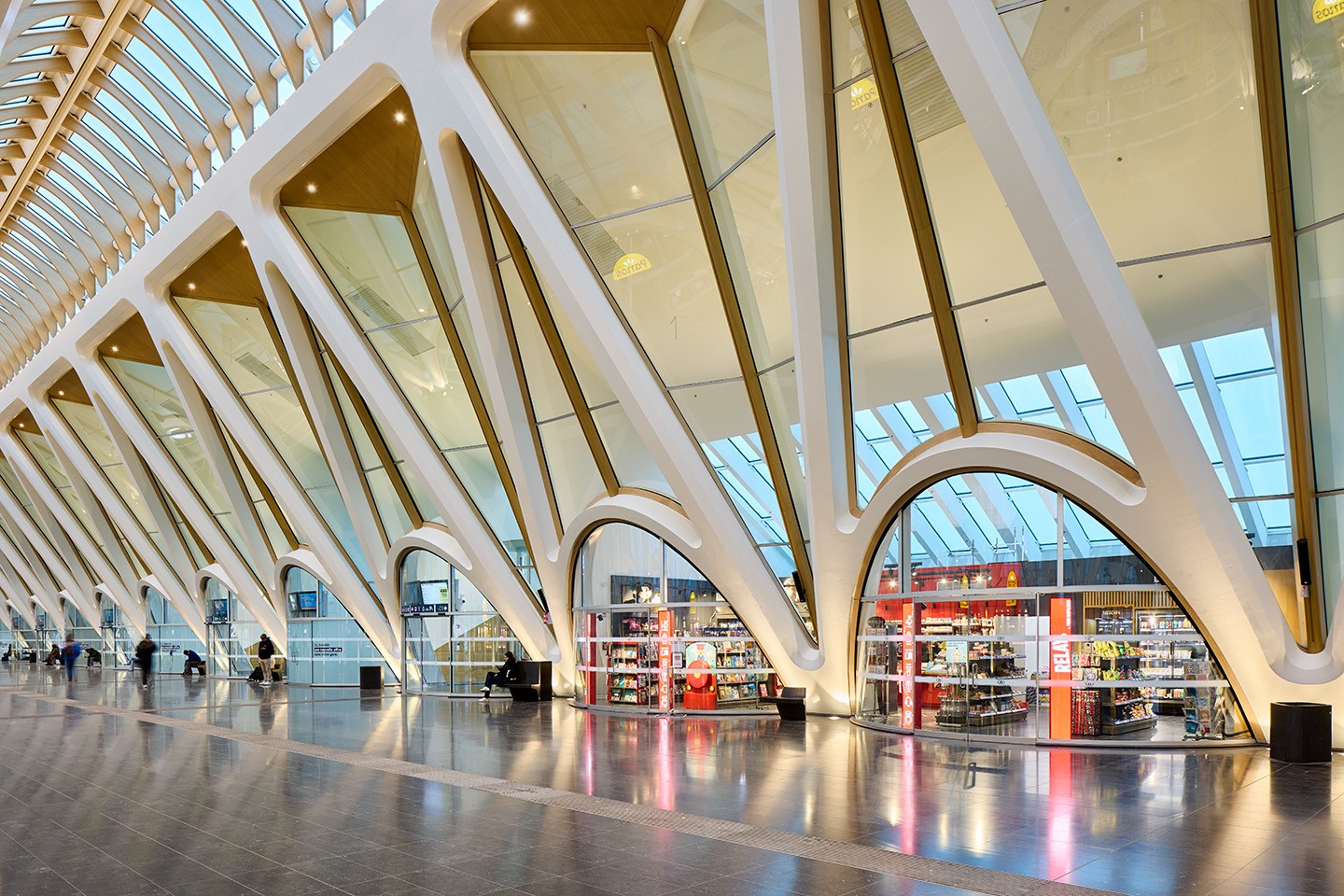
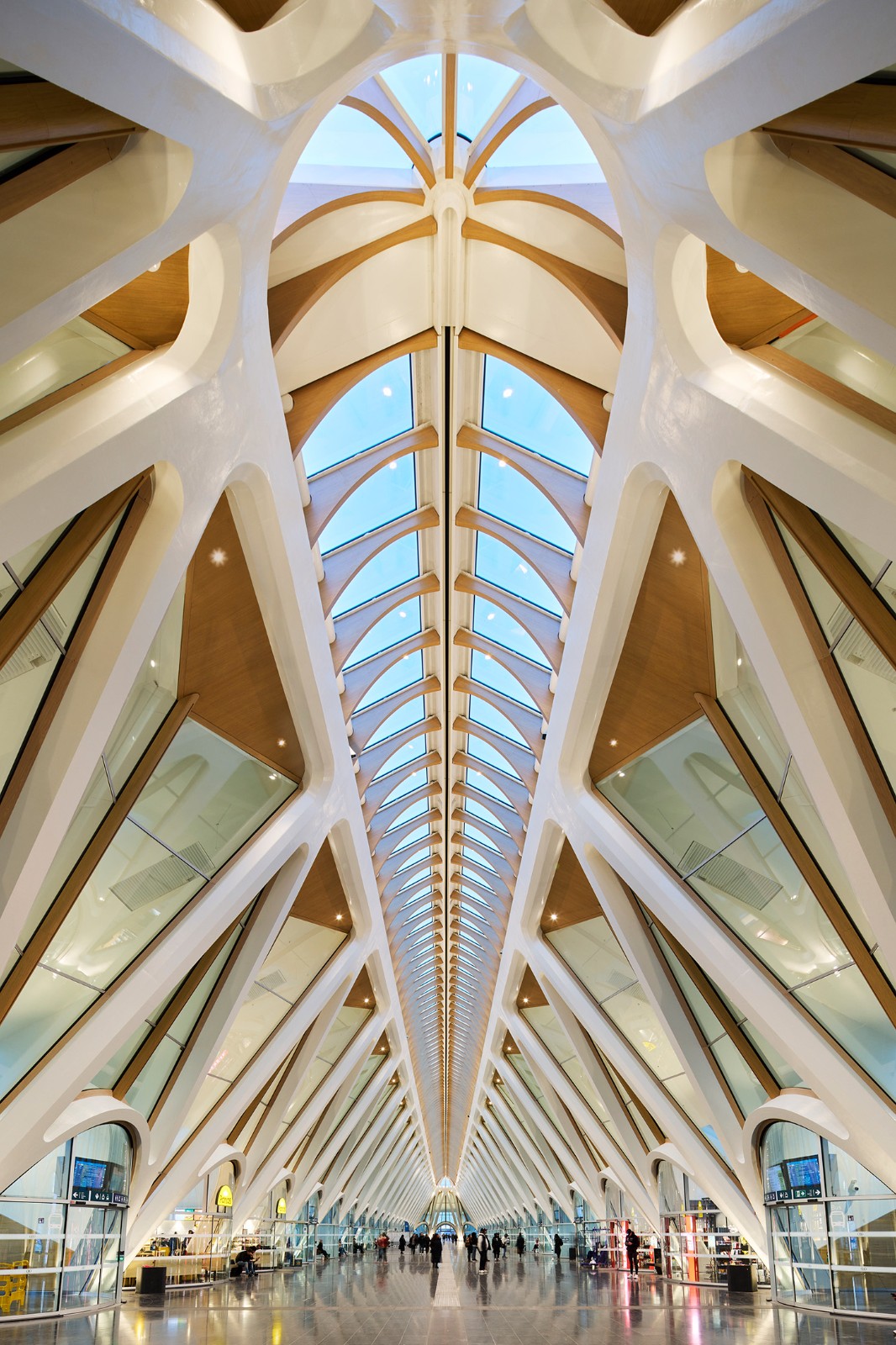
△Hallway©COliver Schuh, Palladium Photodesign
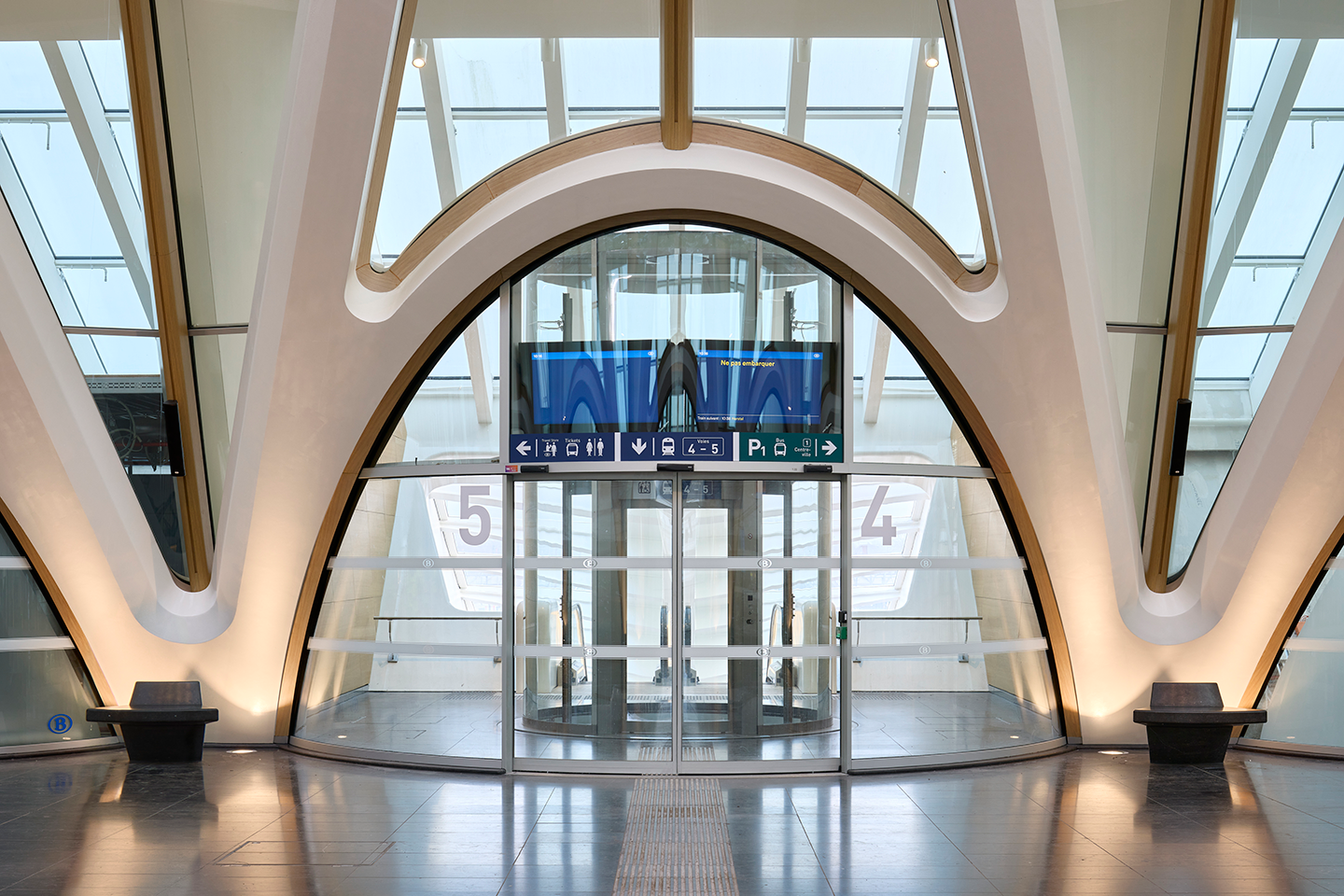
△The passage leading to the platform©COliver Schuh, Palladium Photodesign
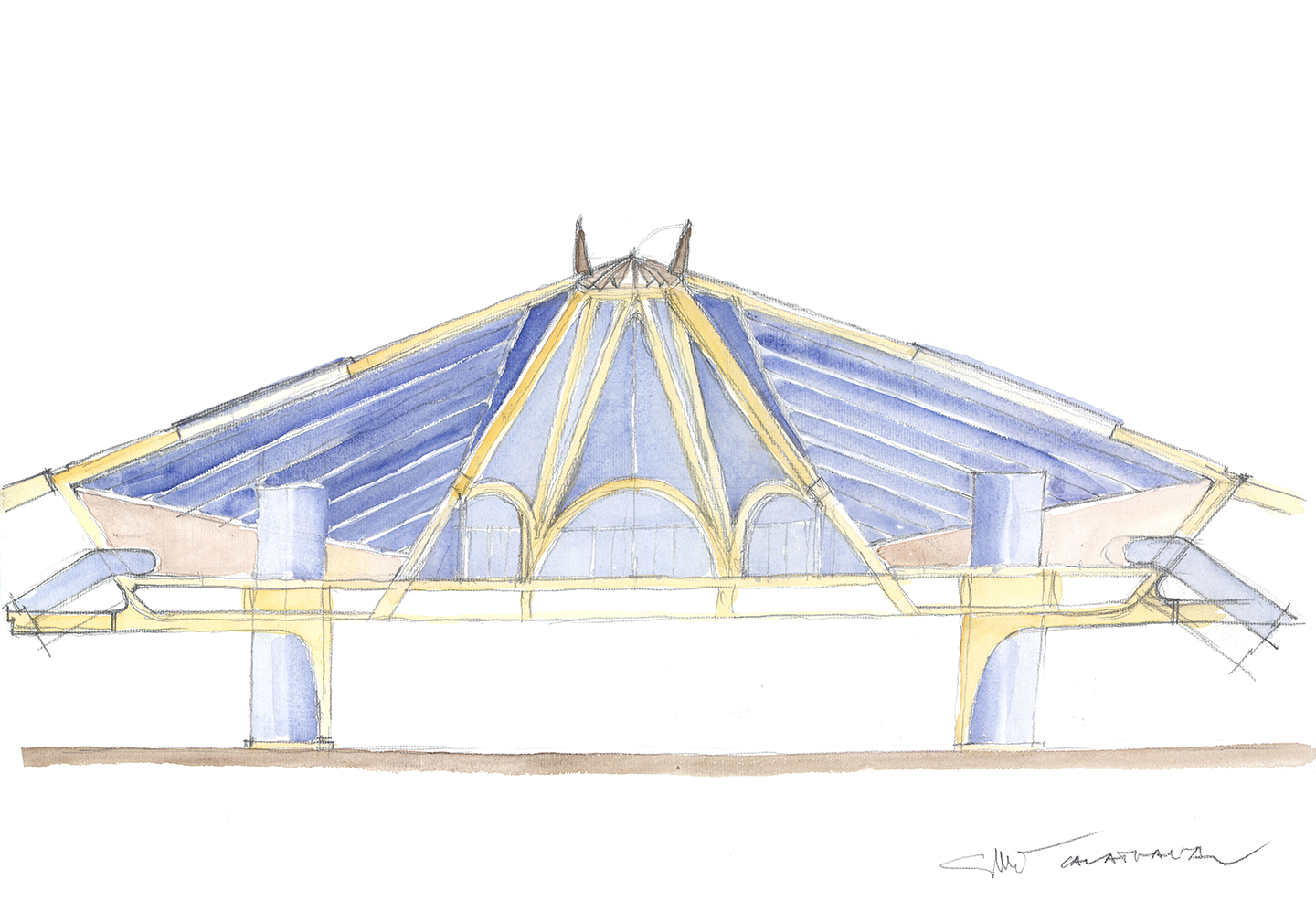
△Section design sketch©COliver Schuh, Palladium Photodesign
The spacious and well lit corridor seamlessly connects all platforms through stairs, escalators, and large elevators (two per platform). There are various retail services available in the space to meet the needs and comfort experience of passengers, as well as a comprehensive travel service center jointly operated by SNCB and TEC (public bus operators).
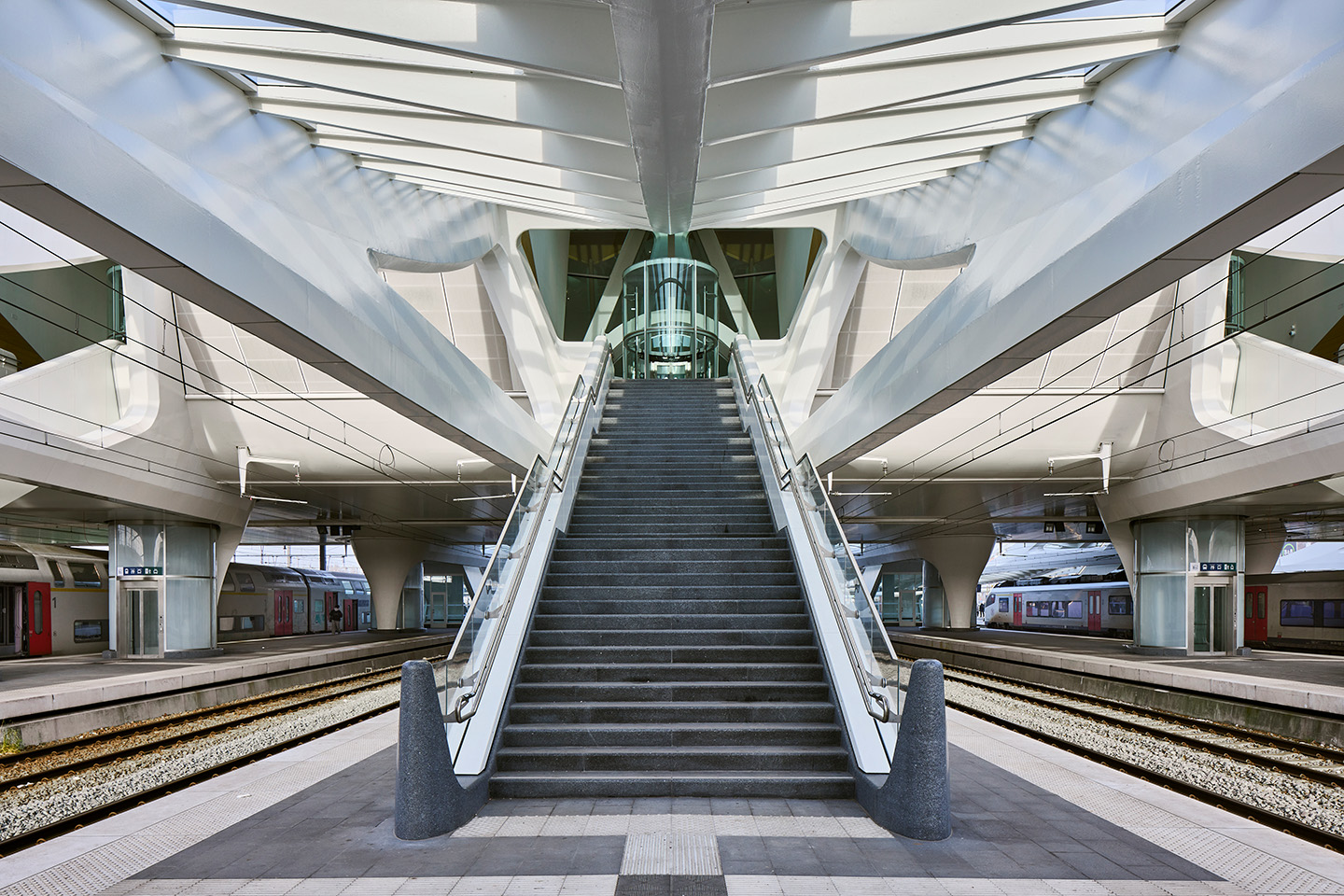
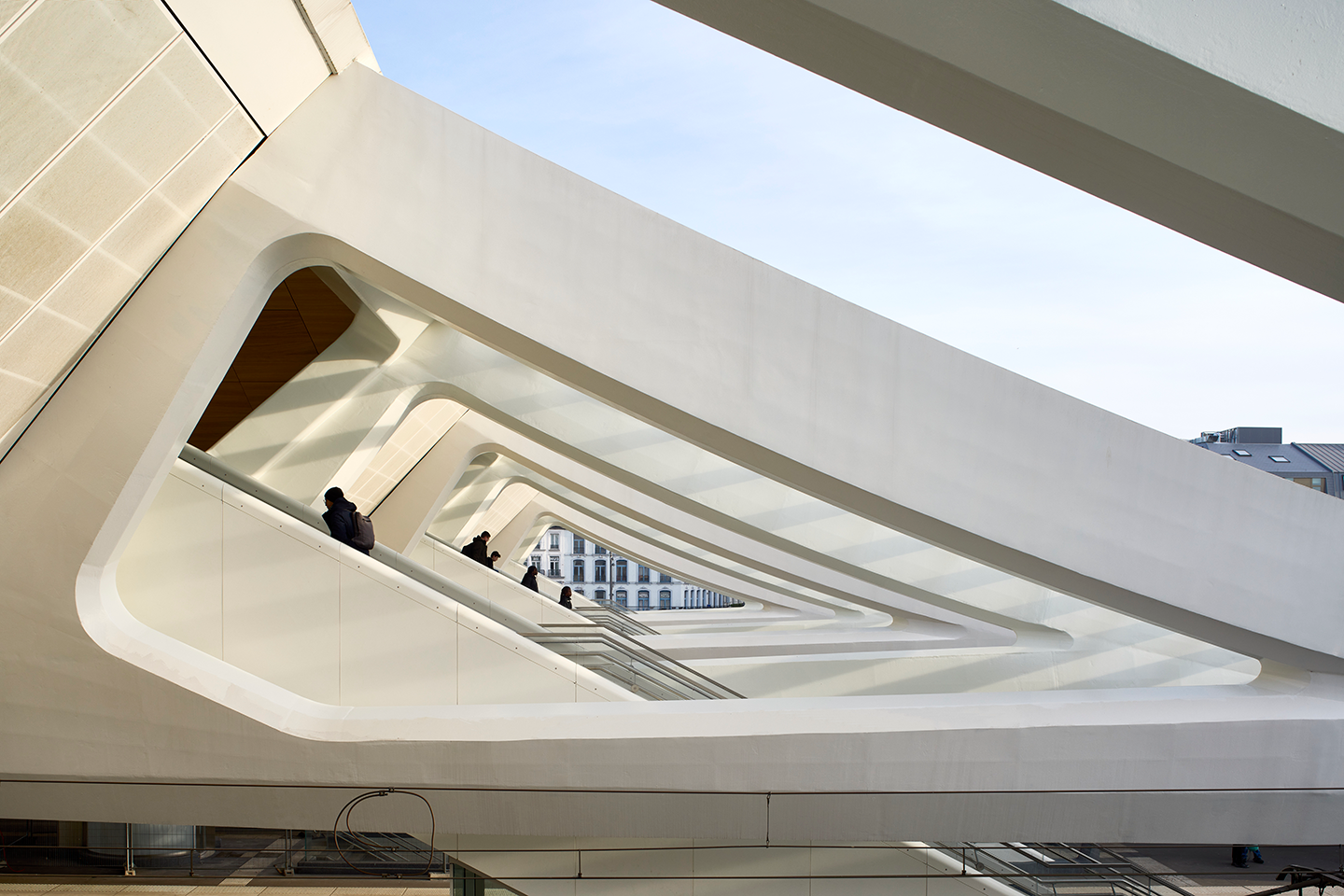
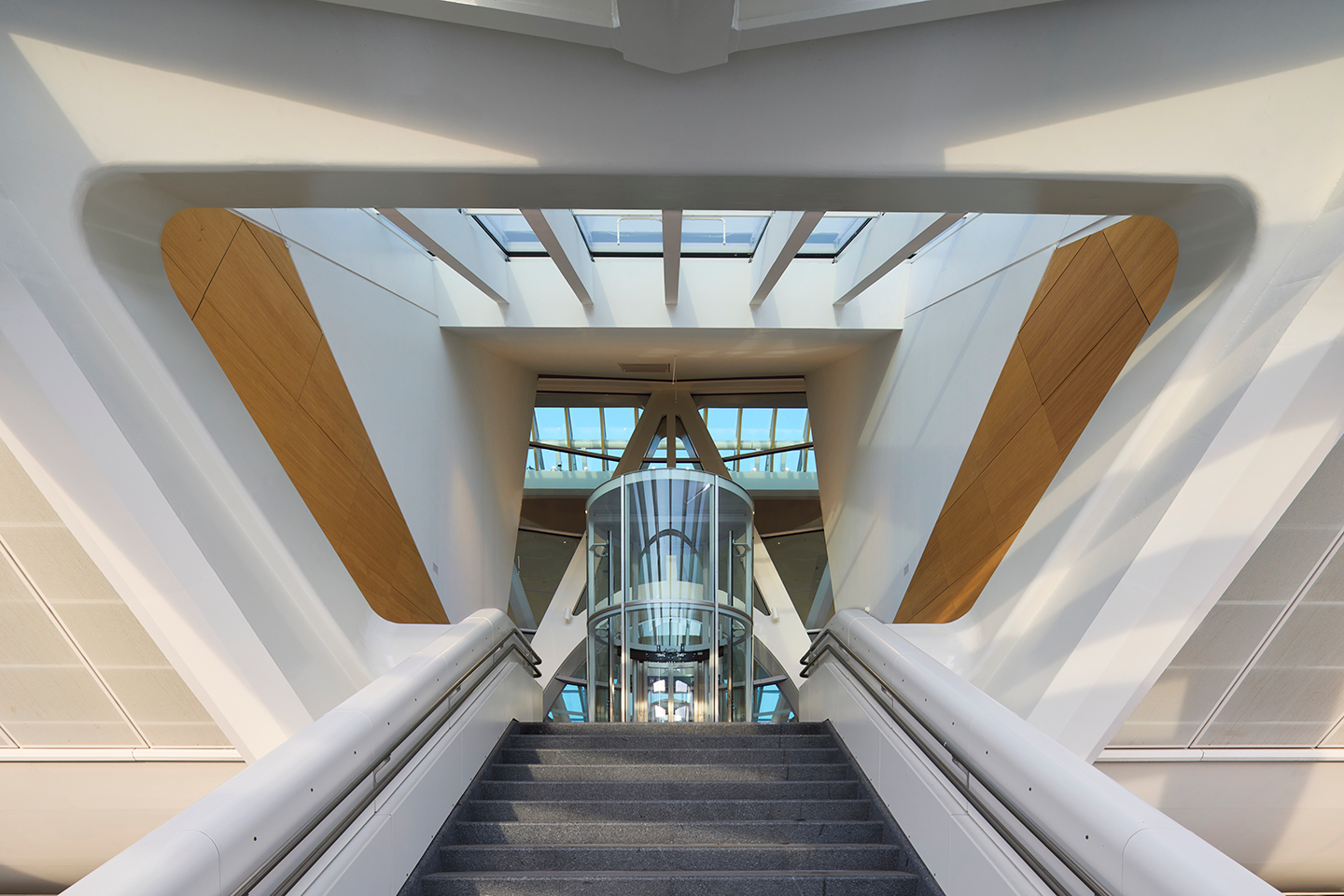
△The path between the platform and the corridor©COliver Schuh, Palladium Photodesign
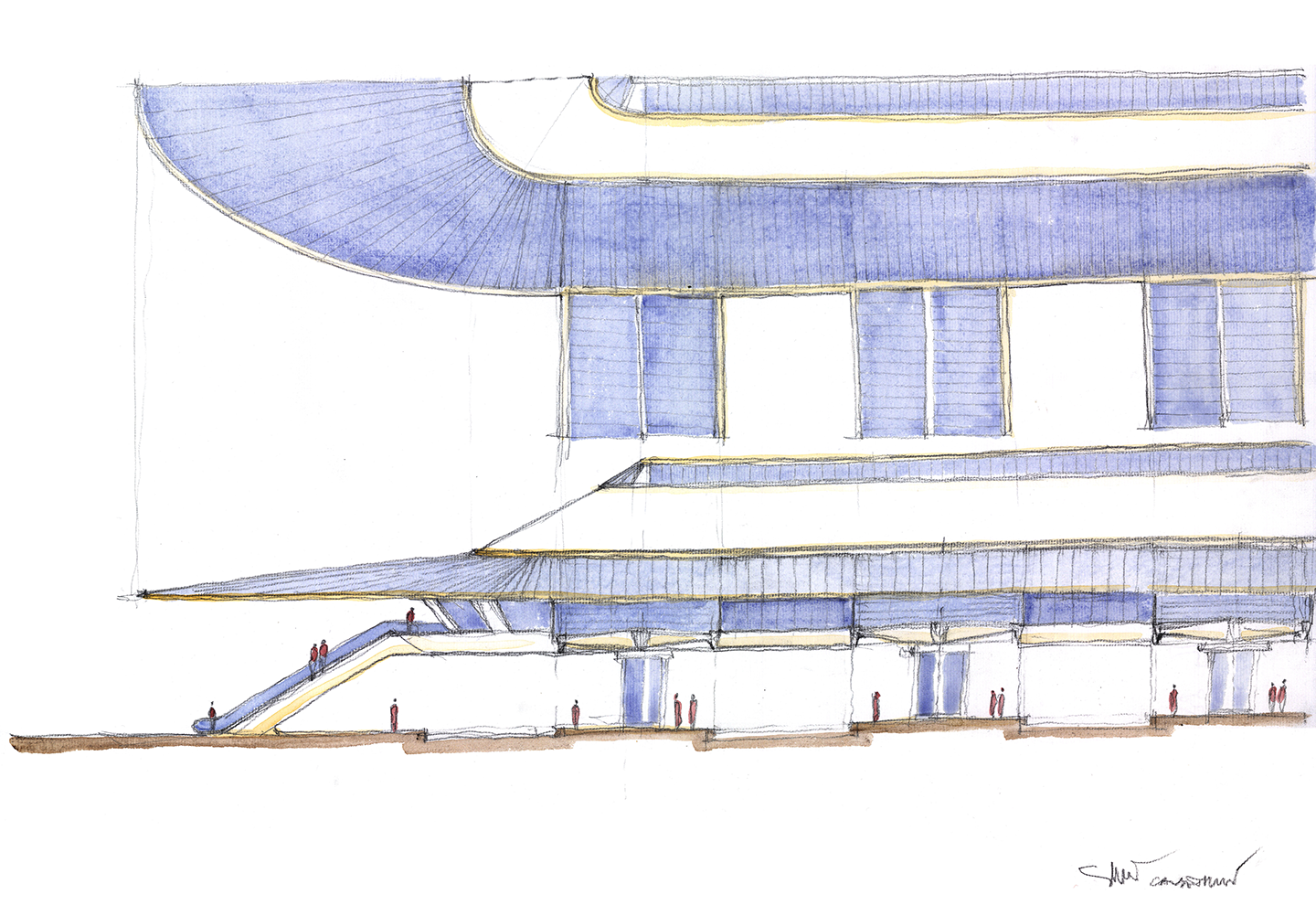
△Elevator and Ceiling Design Sketch©COliver Schuh, Palladium Photodesign
The design of the gallery responds to the historical heritage of the "Queen's Gallery" in Brussels, aiming to integrate modern transportation with cultural and commercial vitality, creating a vibrant public intersection while paying tribute to the country's profound historical heritage.
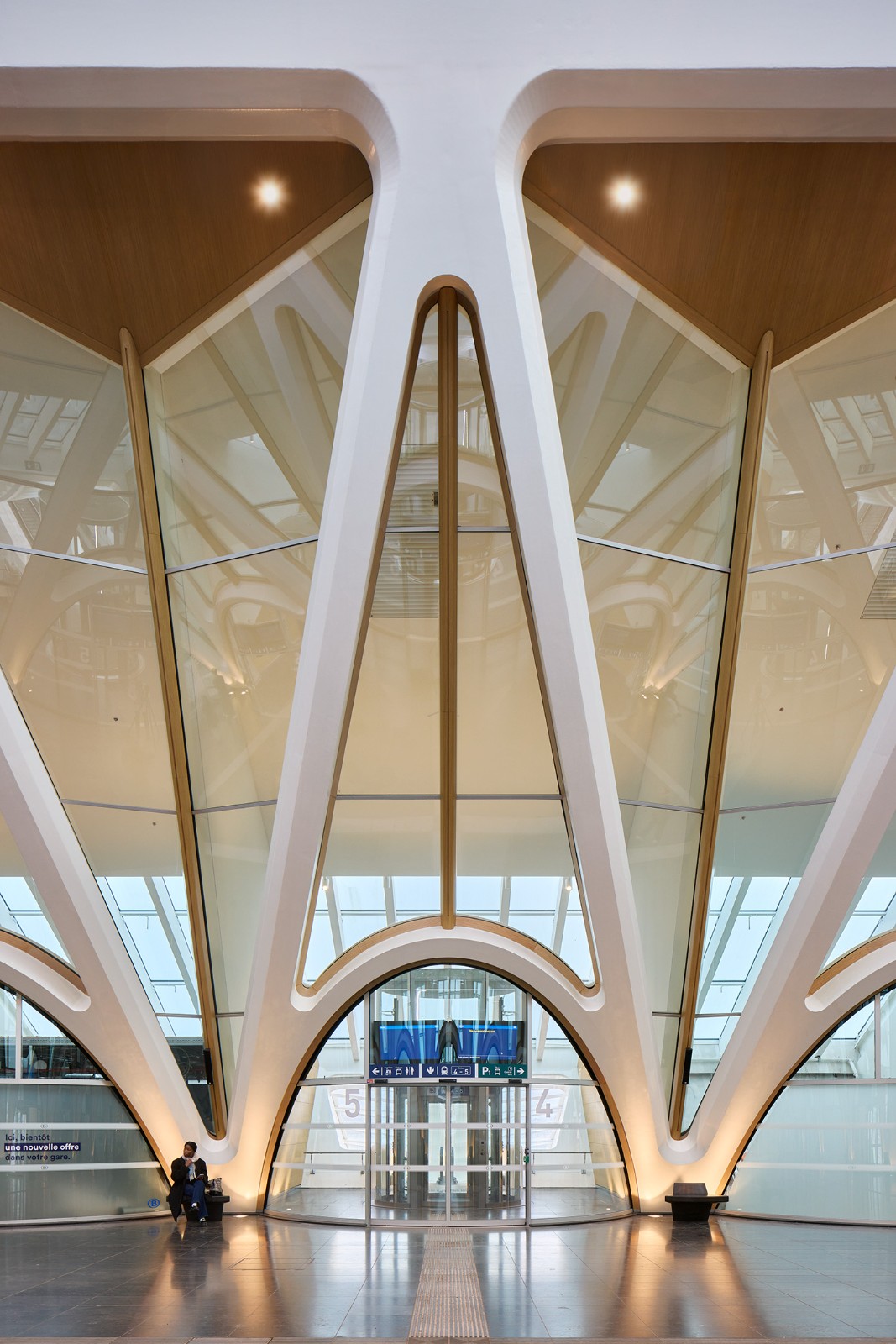
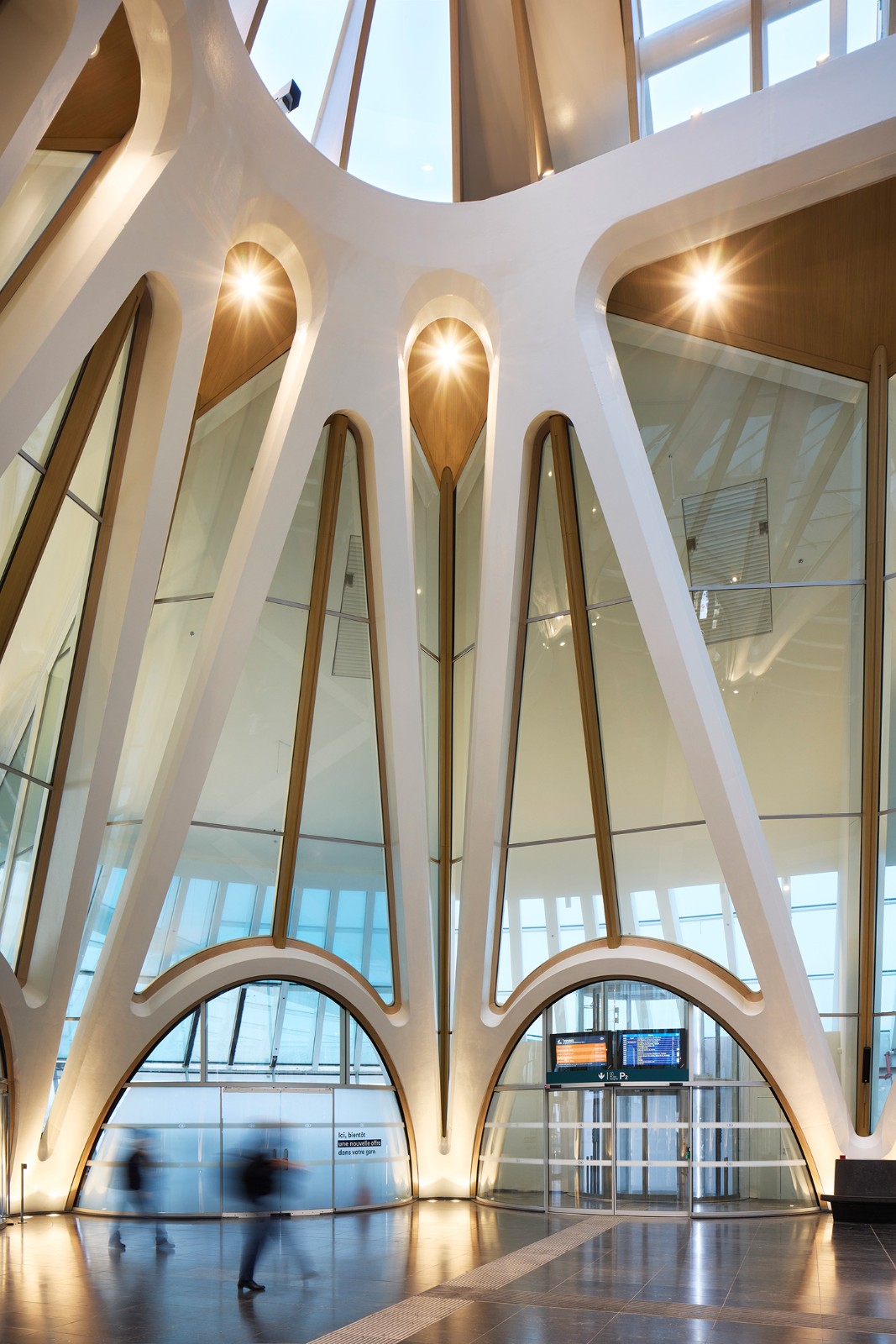
△Indoor project©COliver Schuh, Palladium Photodesign
The central corridor is fully enclosed and has insulation performance, which can maintain a comfortable temperature in cold seasons; An openable skylight is installed at the top of the roof to achieve natural ventilation in summer.
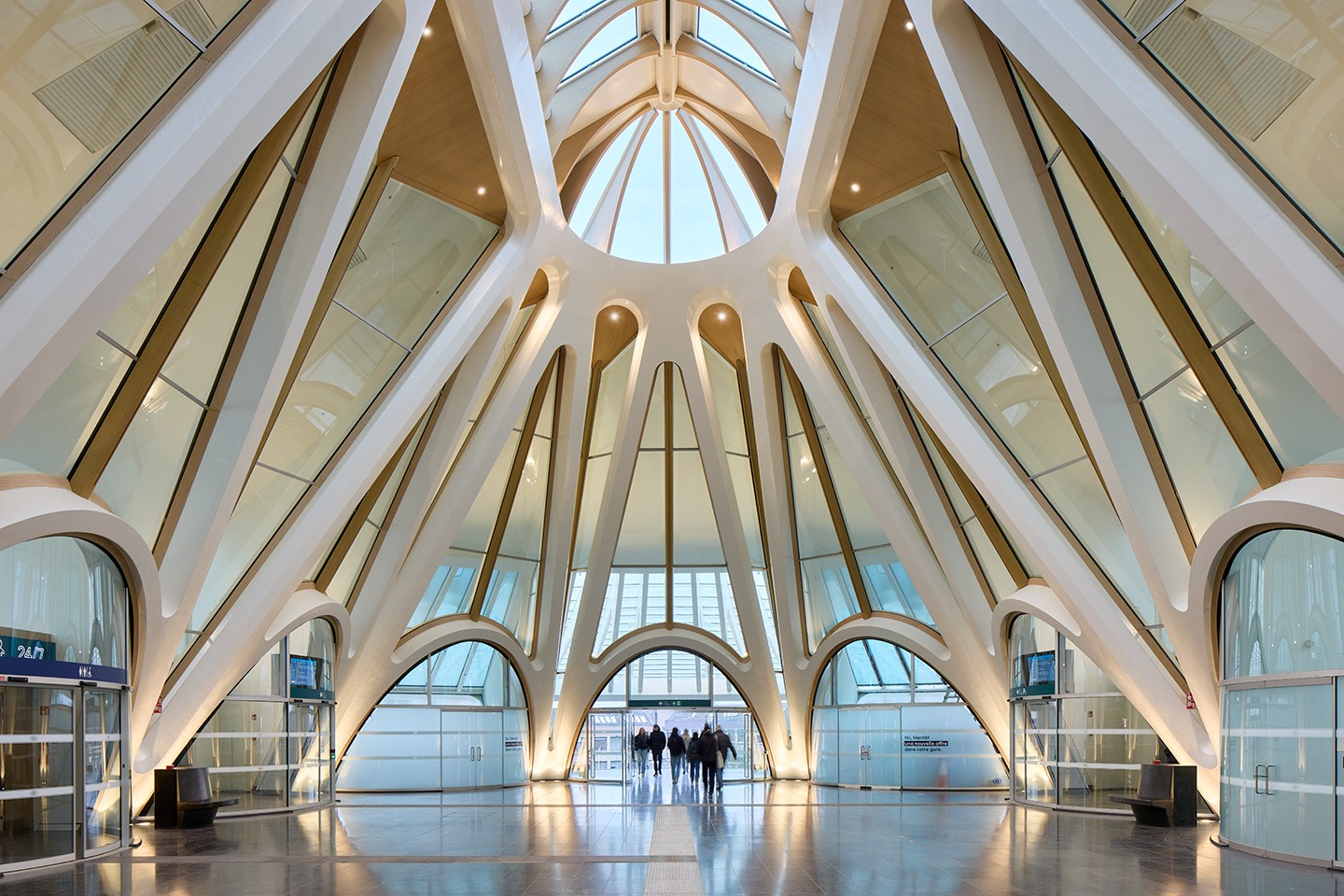
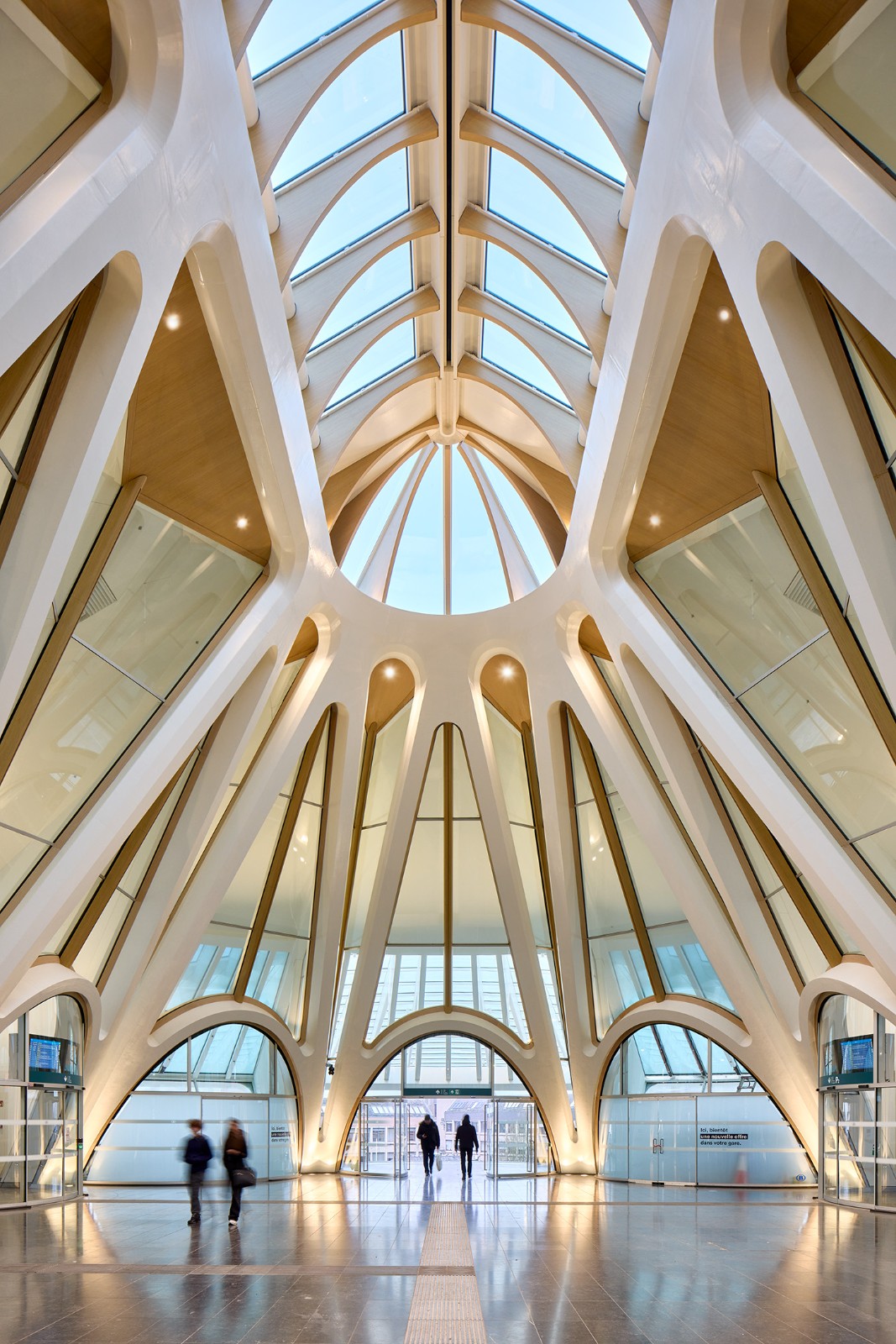
△Main entrance inside the project room©COliver Schuh, Palladium Photodesign
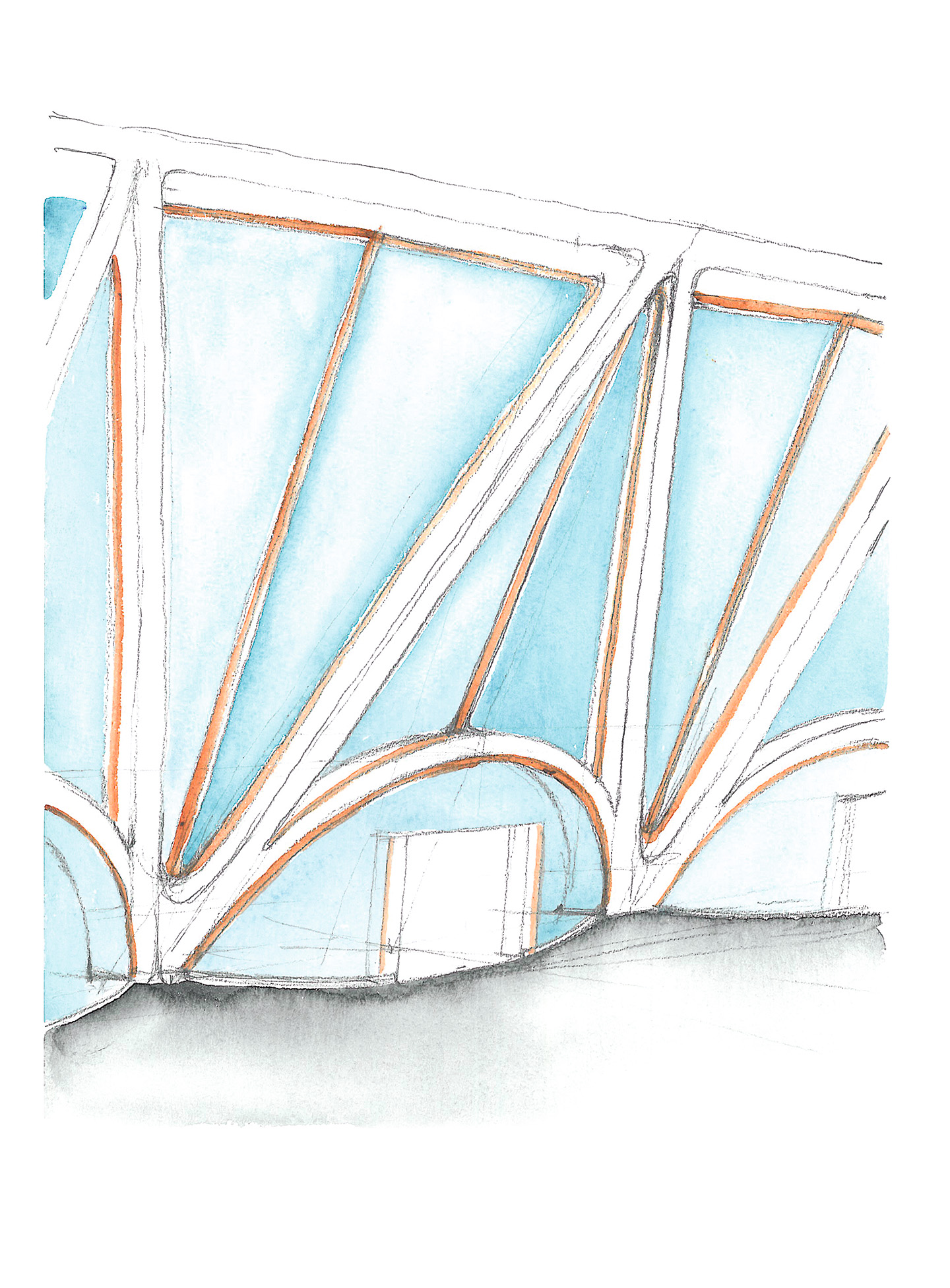
△Interior facade design sketch©COliver Schuh, Palladium Photodesign
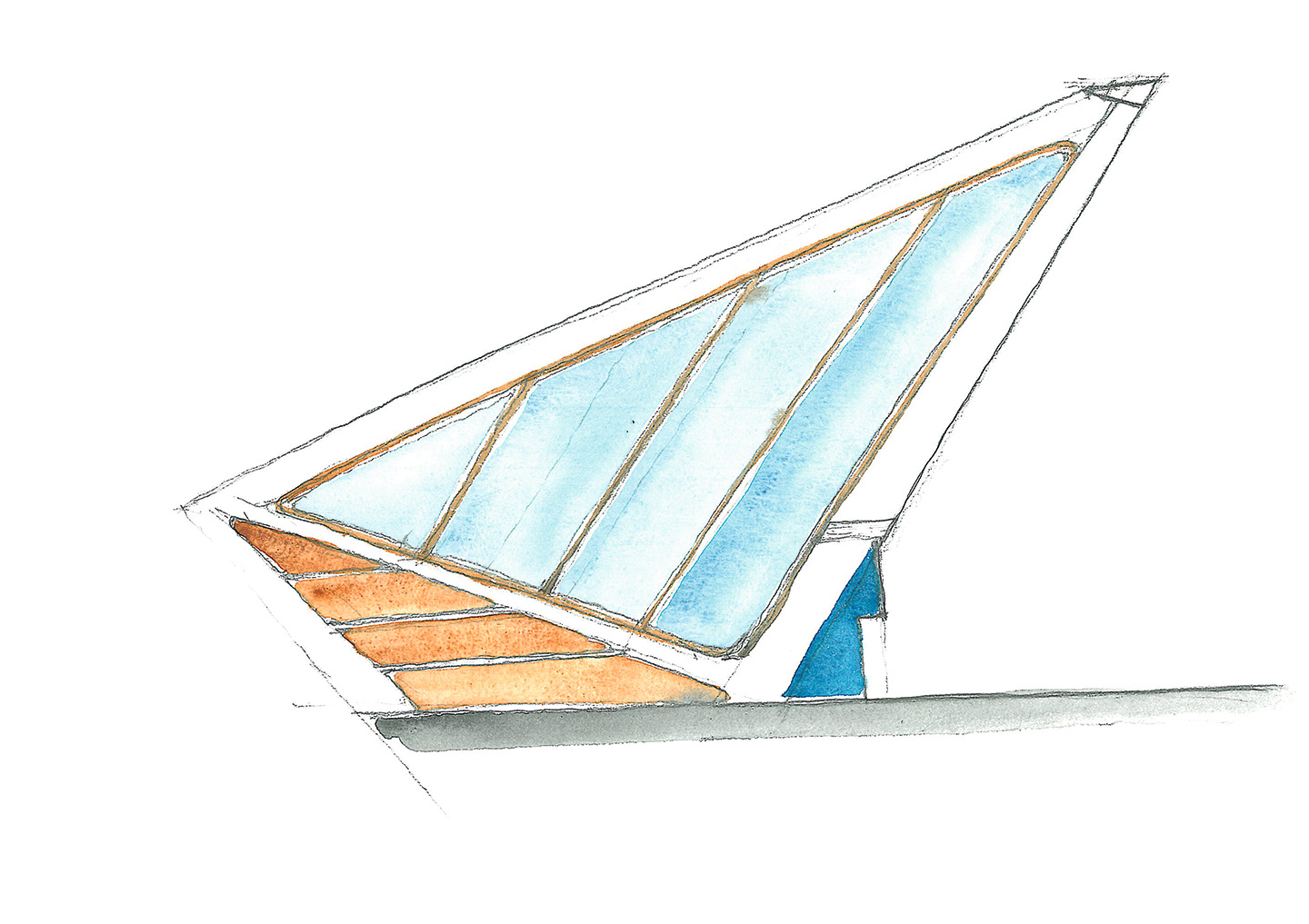
△Partial section design sketch©COliver Schuh, Palladium Photodesign
Urban Space and Landscape
Before the renovation, Leopold Square, located between the station and the old city, was mainly occupied by intersecting roads and bus hubs. With the reorganization of the transportation system, the square has been transformed into a pedestrian space, becoming a vibrant venue for various public activities. Nowadays, the station can be reached directly on foot from the center of Mons without crossing any roads.
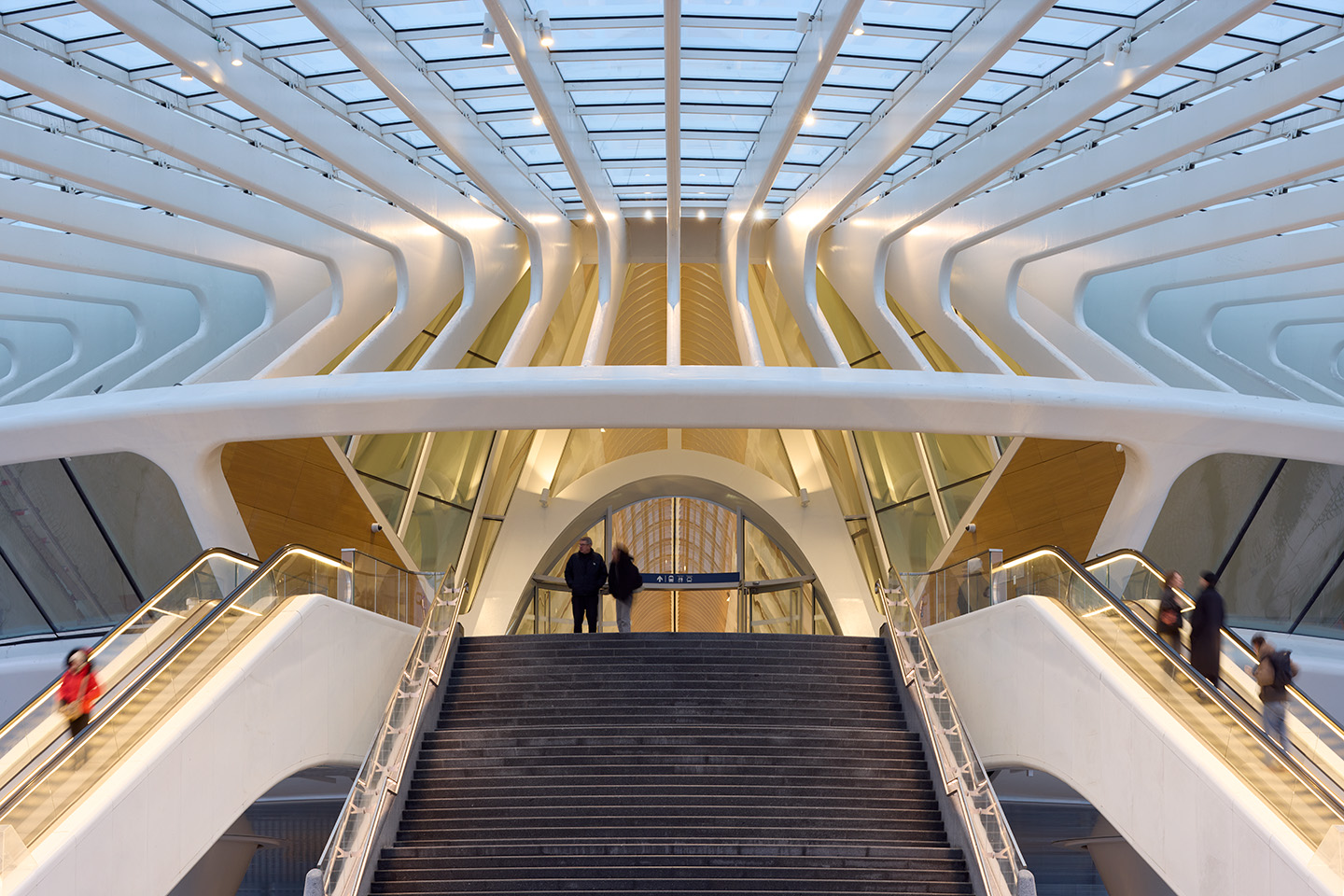
△Stairs leading to the main entrance©COliver Schuh, Palladium Photodesign
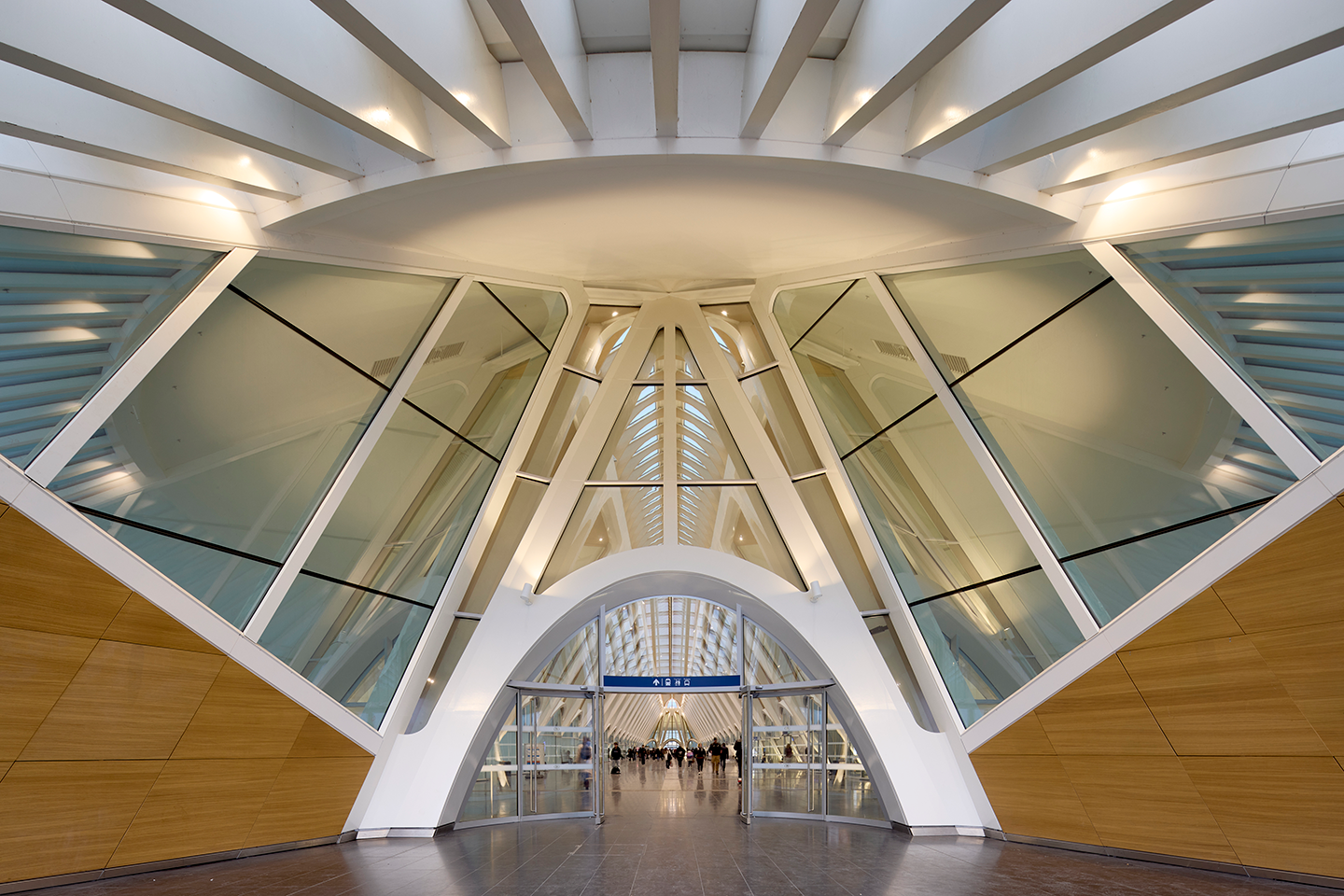
△Main entrance©COliver Schuh, Palladium Photodesign
On the north side, the conference square surrounded by greenery forms the core skeleton of the developing Grand Pres area. SNCB has started cleaning up the surrounding area to promote further urban development on the other side of the railway track.
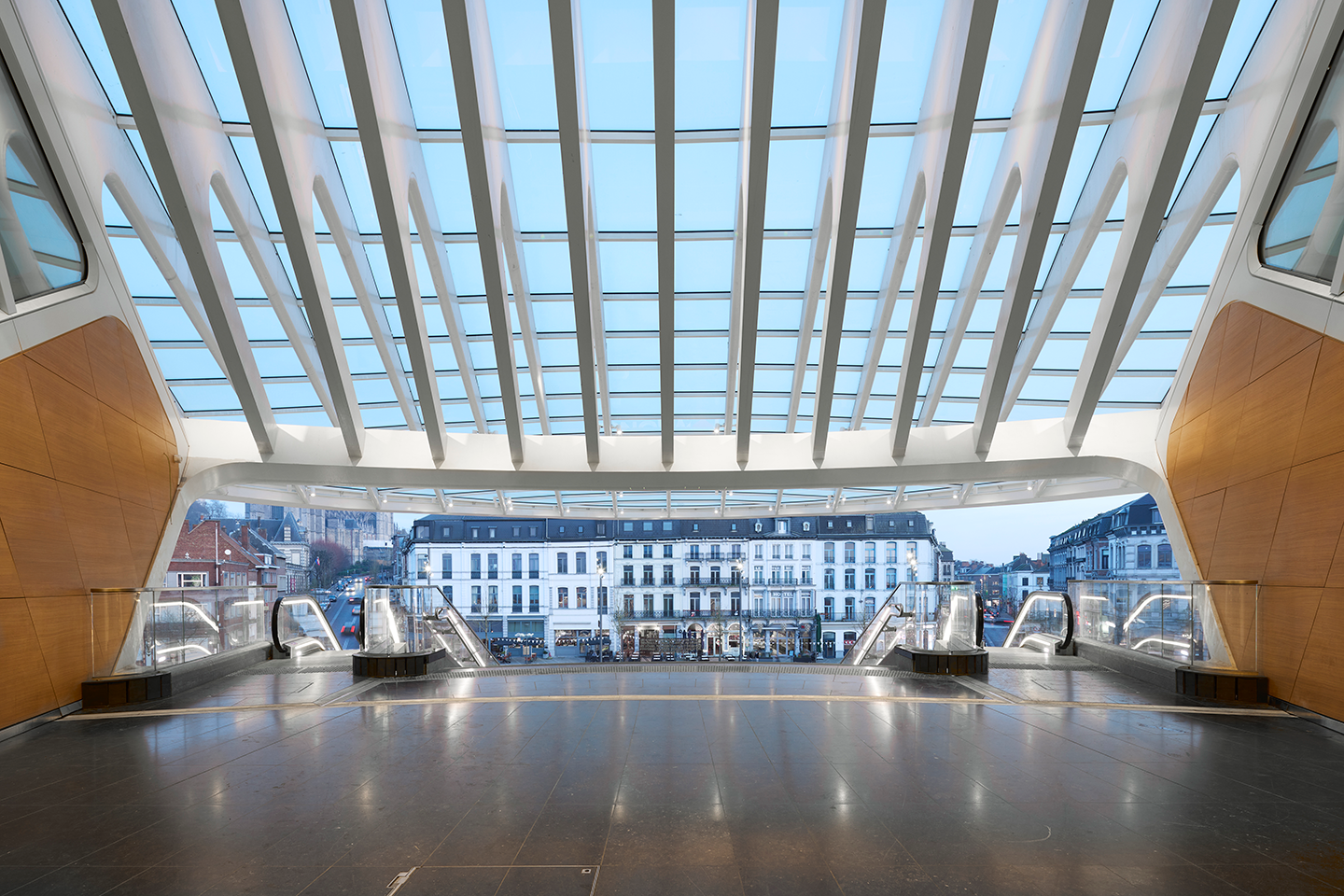
△View towards Leopold Square©COliver Schuh, Palladium Photodesign
Underground parking and office space
The parking space has been carefully designed with high-quality lighting and optimized layout to ensure smooth traffic flow, long-term functionality, and safety. At the same time, these spaces also incorporate meticulous design elements, making them visually comfortable and pleasant.
The South Parking Lot is located below the bus hub, providing direct access to railway stations and urban areas. It offers nearly 500 car parking spaces and has sheltered and safe bicycle parking facilities near the station.
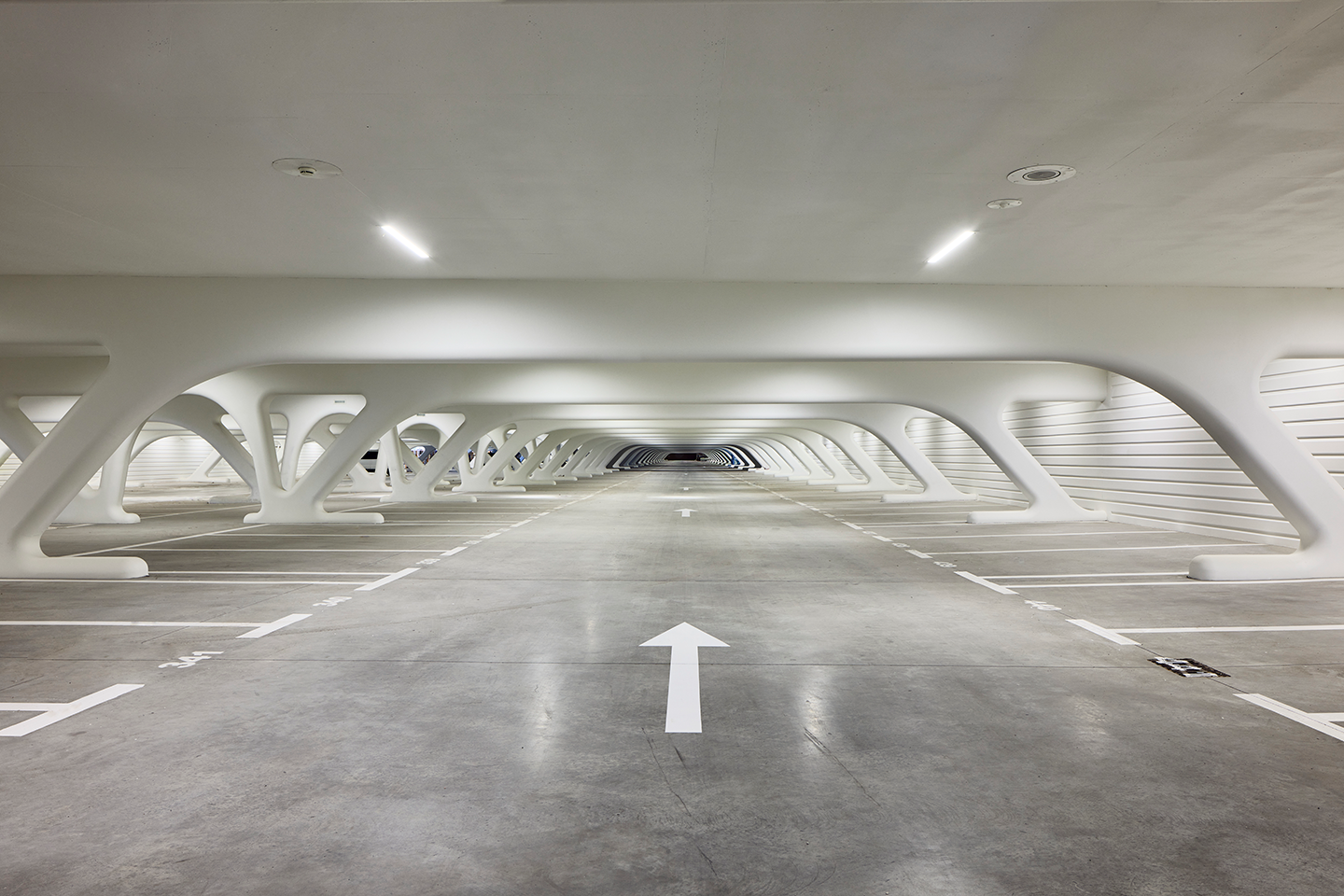
△South Parking Lot©COliver Schuh, Palladium Photodesign
The adjacent area of the parking lot also has a series of employee support spaces, including logistics areas, training rooms, and rest rooms, which are arranged around several small courtyards.
The northern parking lot is connected to the vertical transportation system of the station and is offset towards the east, adjacent to the Mons Exhibition Center and Convention Center. It can accommodate over 350 cars and has a 200 berth bicycle parking area. On the west side, SNCB's fixed and flexible office space is arranged along the sunken courtyard, and a childcare facility of about 400 square meters is also set up.
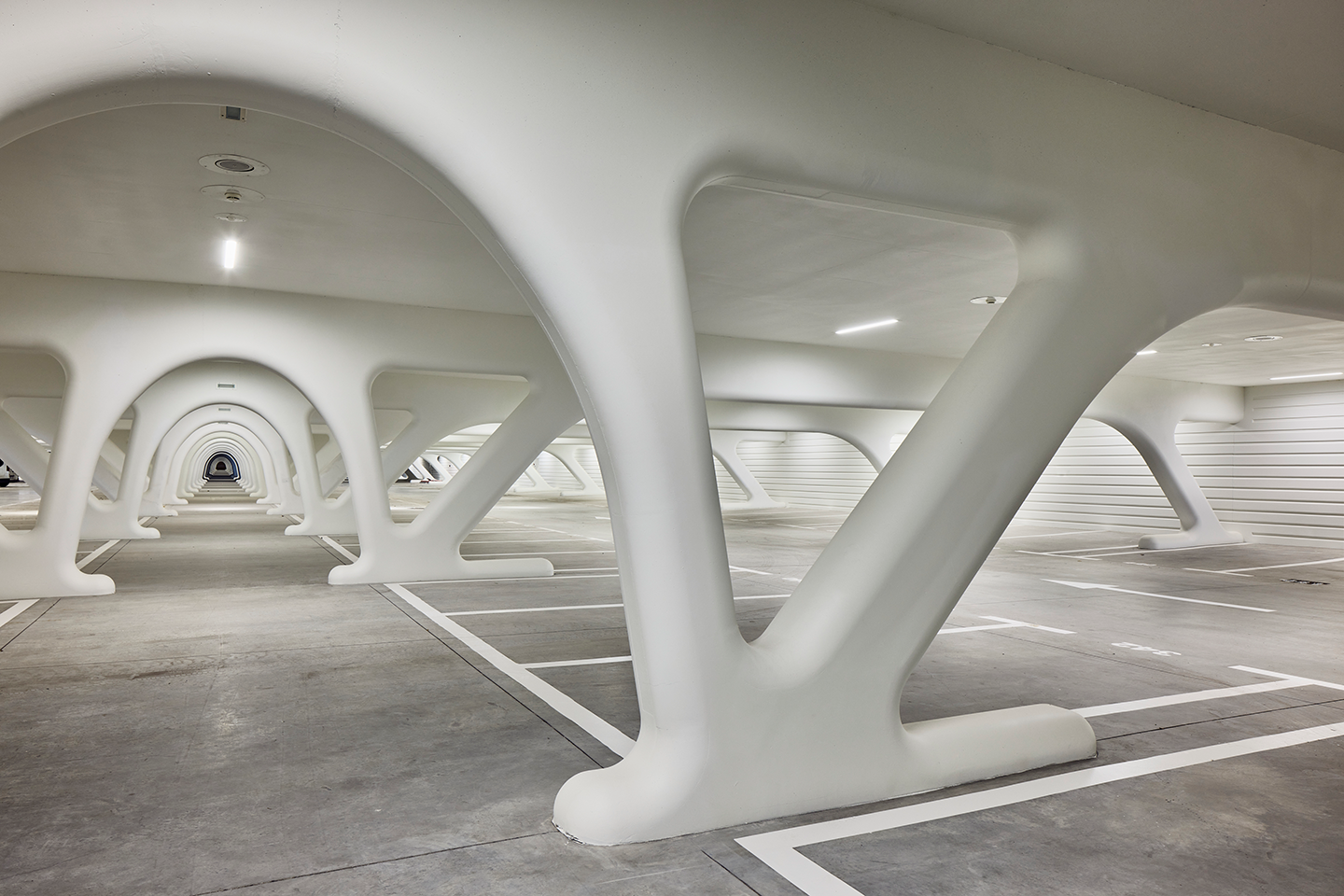
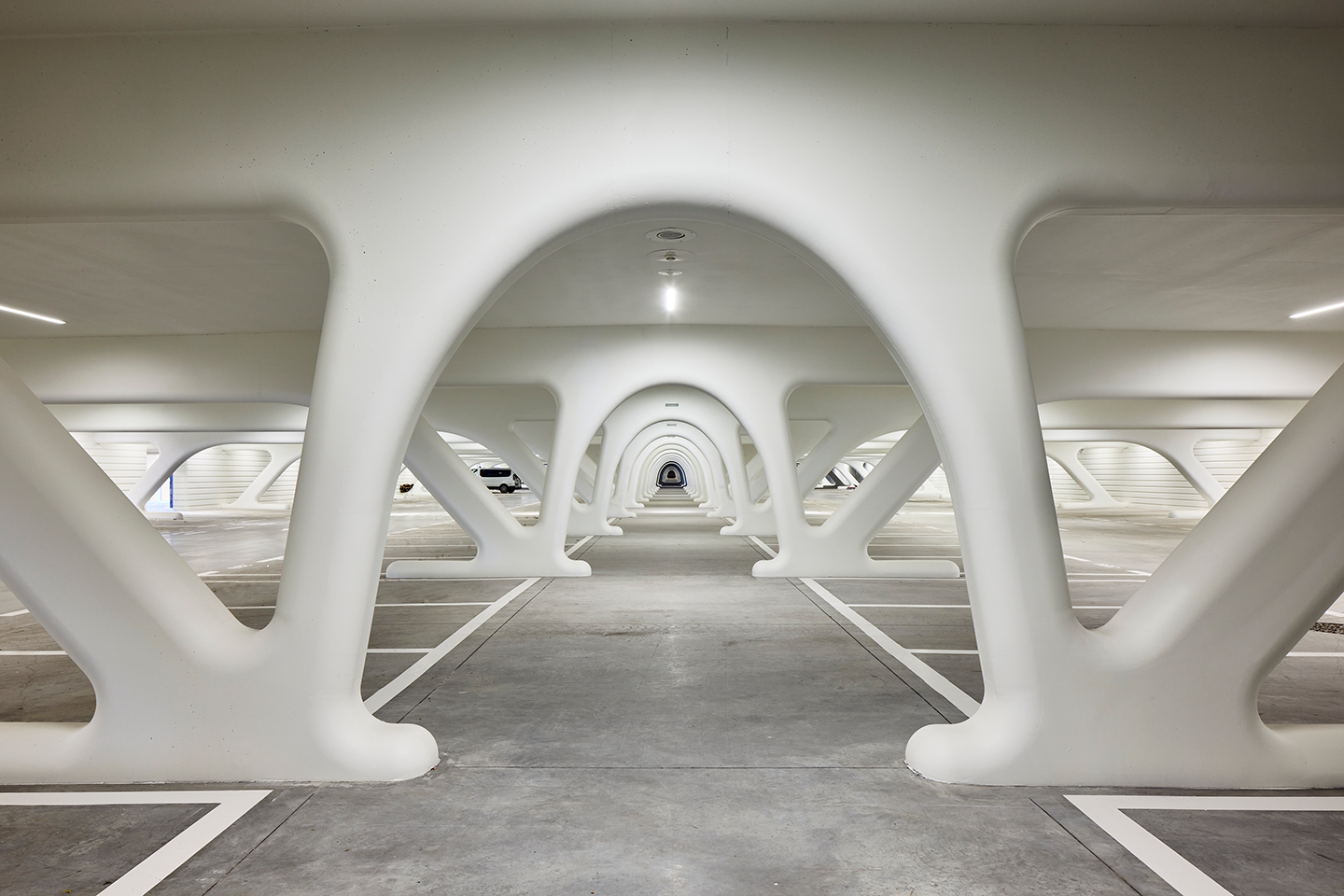
△South Parking Lot©COliver Schuh, Palladium Photodesign
Barrier-free design
The project and its surrounding environment were designed with full consideration for the independent travel needs of all passengers, making the station fully open to both able-bodied and disabled individuals.
There are a total of 12 elevators at the station, connecting the corridors, platforms, and parking levels. The elevated platform enables barrier free boarding and alighting. The advanced audio system can provide broadcasting and voice alarms, while the tactile paving with contrast provides clear guidance for visually impaired people inside the square and station.
There are gentle bike ramps on both sides of the station for easy access to covered bike parking areas, and all elevators can accommodate bicycles.
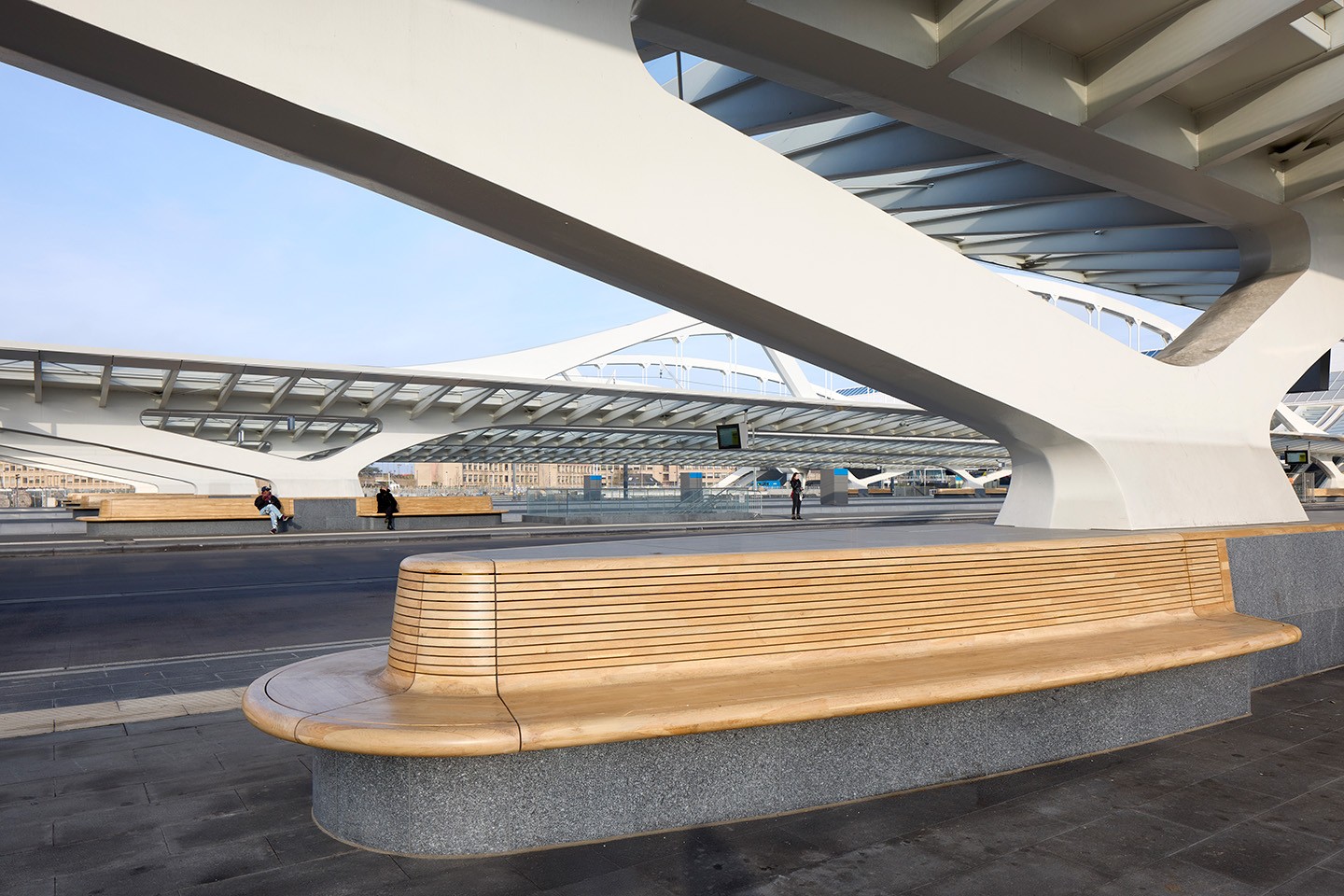
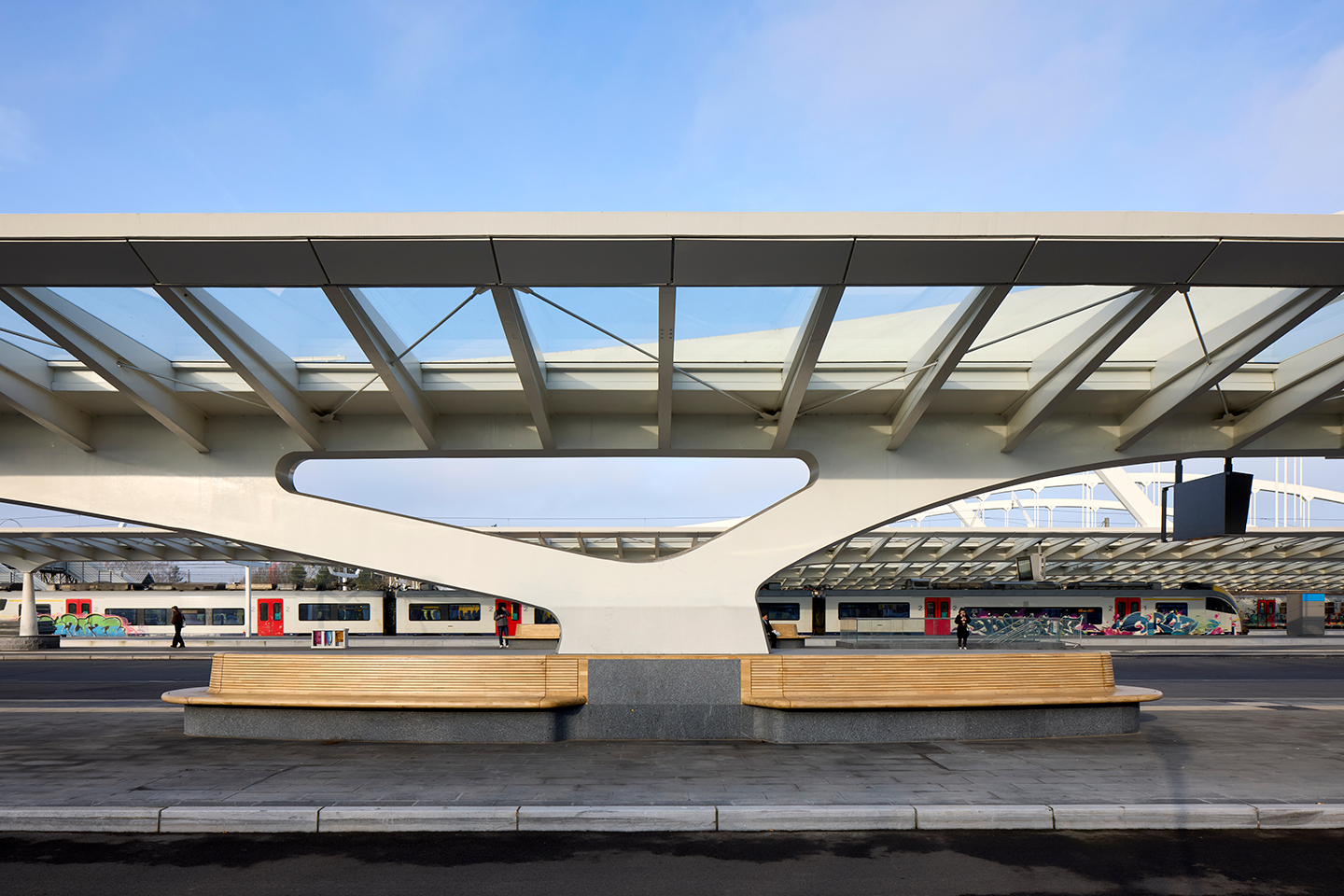
△Platform ceiling and seating©COliver Schuh, Palladium Photodesign

High quality products, high-quality services and high-quality

Focus on us
HANBERT
Tel: 0757-22682270
Phone: +86-135 314 008 83
E-mail: info@hanbert-tech.com
Address: 1612,4th,building,ZhiyePlaza,Daliang,Foshan,Guangdong P.R.of china
Copyright © 2021-2026 HANBERT All Rights Reserved. 粤ICP备2021118030号  Power by:
 Hanelink.com